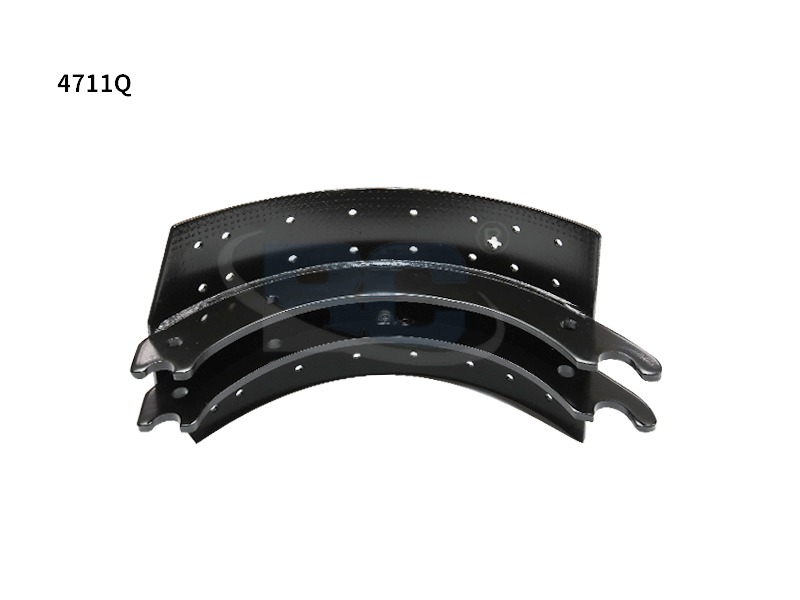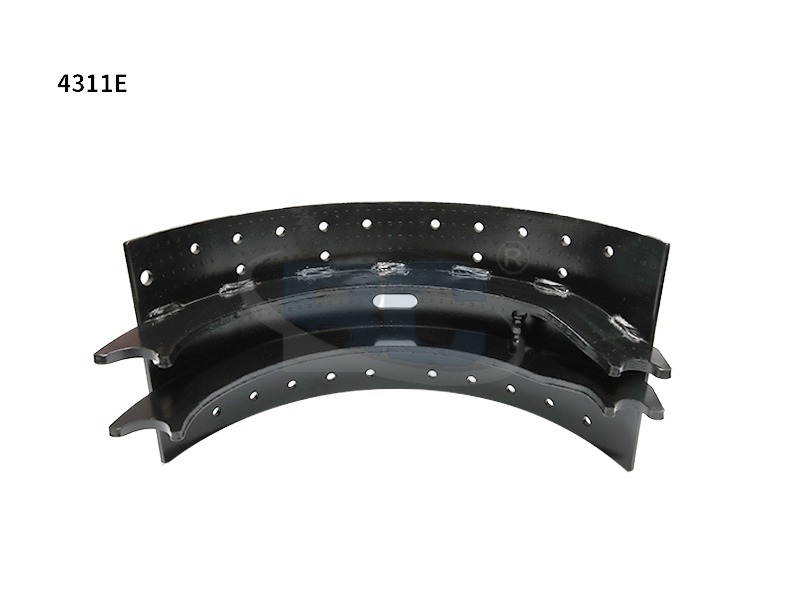
 English
 简体中文
简体中文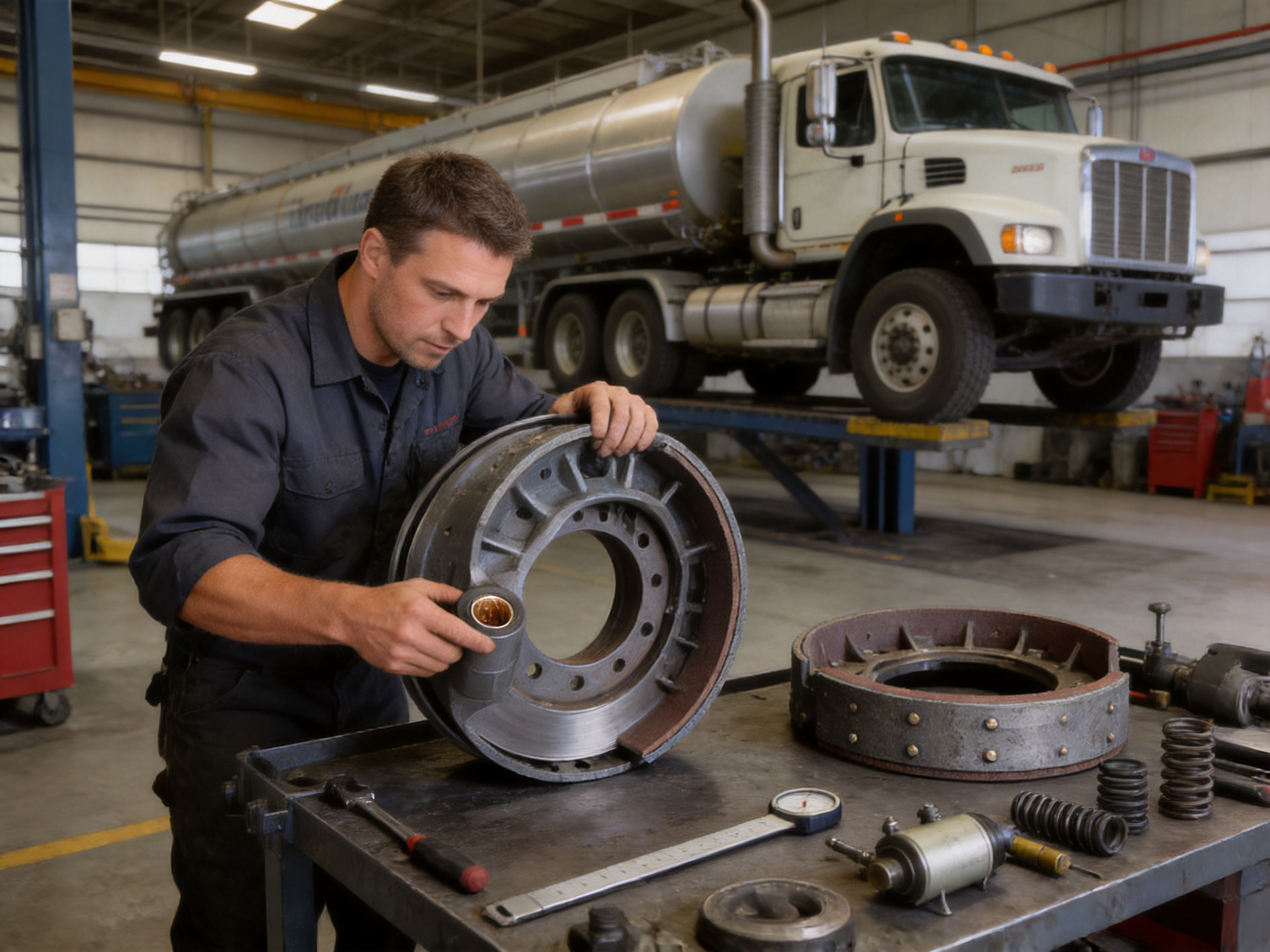
Heavy-duty braking systems operate under demanding conditions that ordinary passenger-car components rarely experience. Commercial trucks, industrial vehicles, oil transport vehicles, and other working fleets may carry substantial loads, travel long distances, and perform repeated braking cycles in environments where heat, dust, moisture, and vibration are unavoidable. In these applications, the brake shoe is not simply a replaceable metal component. It is a structural foundation for the friction lining and a direct contributor to braking stability, service life, maintenance efficiency, and operating safety.
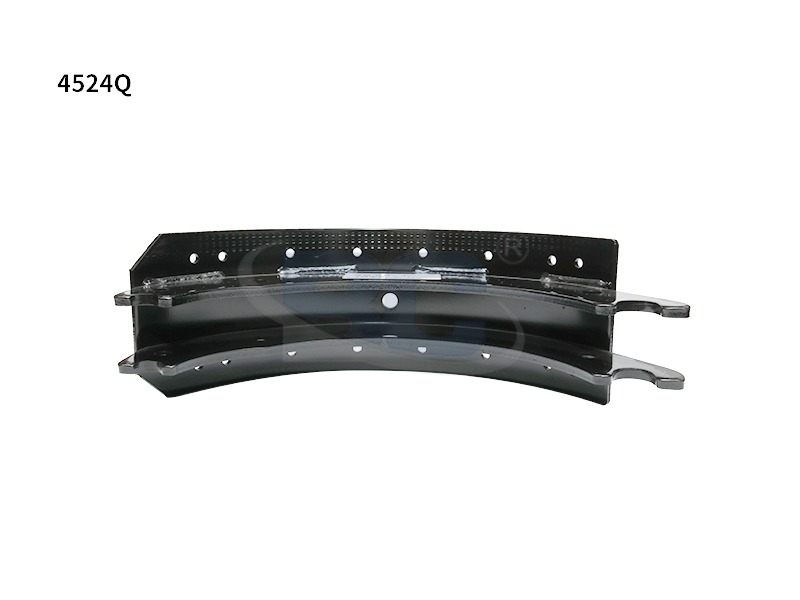
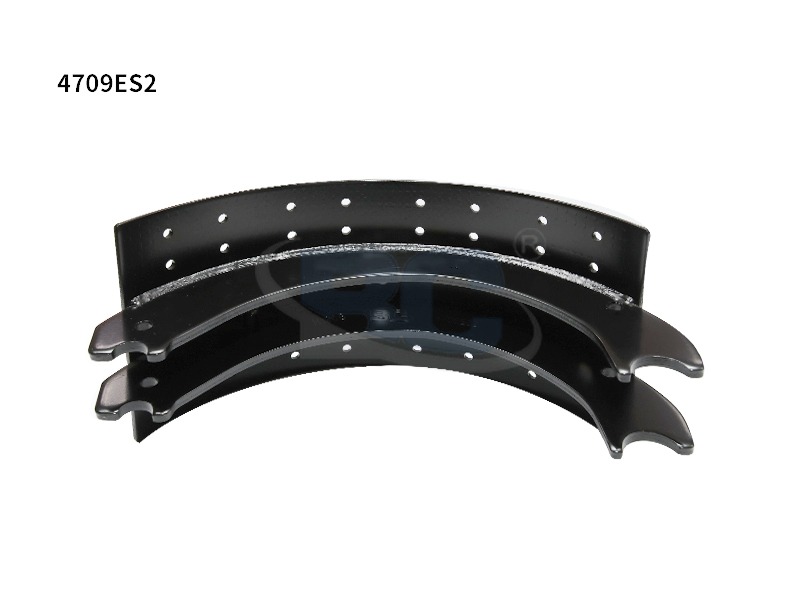
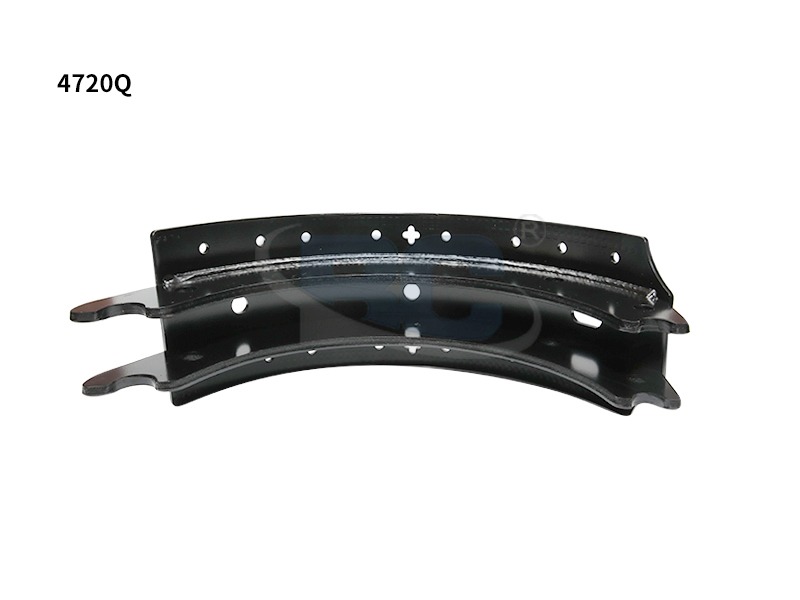
The NISSAN OIL Casted Brake Shoe is designed for heavy-duty drum brake applications requiring a robust shoe body, dependable lining support, and compatibility with specified Nissan oil vehicle systems. The product range includes several sizes and riveting-hole configurations to match different brake assemblies. The available catalog information identifies OEM references 44060-90870, 44060-90201, 44060-90326, and 44060-90278, with table widths from 6 inches to 8.5 inches and riveting-hole counts from 18 to 38.
Manufactured by Zhejiang Bangchi Auto Parts Co., Ltd., the product is positioned within a broader range of heavy-duty brake parts, including steel brake shoes, casted brake shoes, brake linings, lined brake shoes, brake shoe repair kits, and lined brake shoe kits. This product portfolio allows fleet operators, distributors, repair businesses, and brake-system specialists to source related components from one experienced production partner rather than combining parts from multiple suppliers with different quality standards.
This article explains the construction, application, configuration, manufacturing considerations, performance advantages, inspection requirements, maintenance value, and purchasing considerations associated with the NISSAN OIL Casted Brake Shoe.
Product Overview
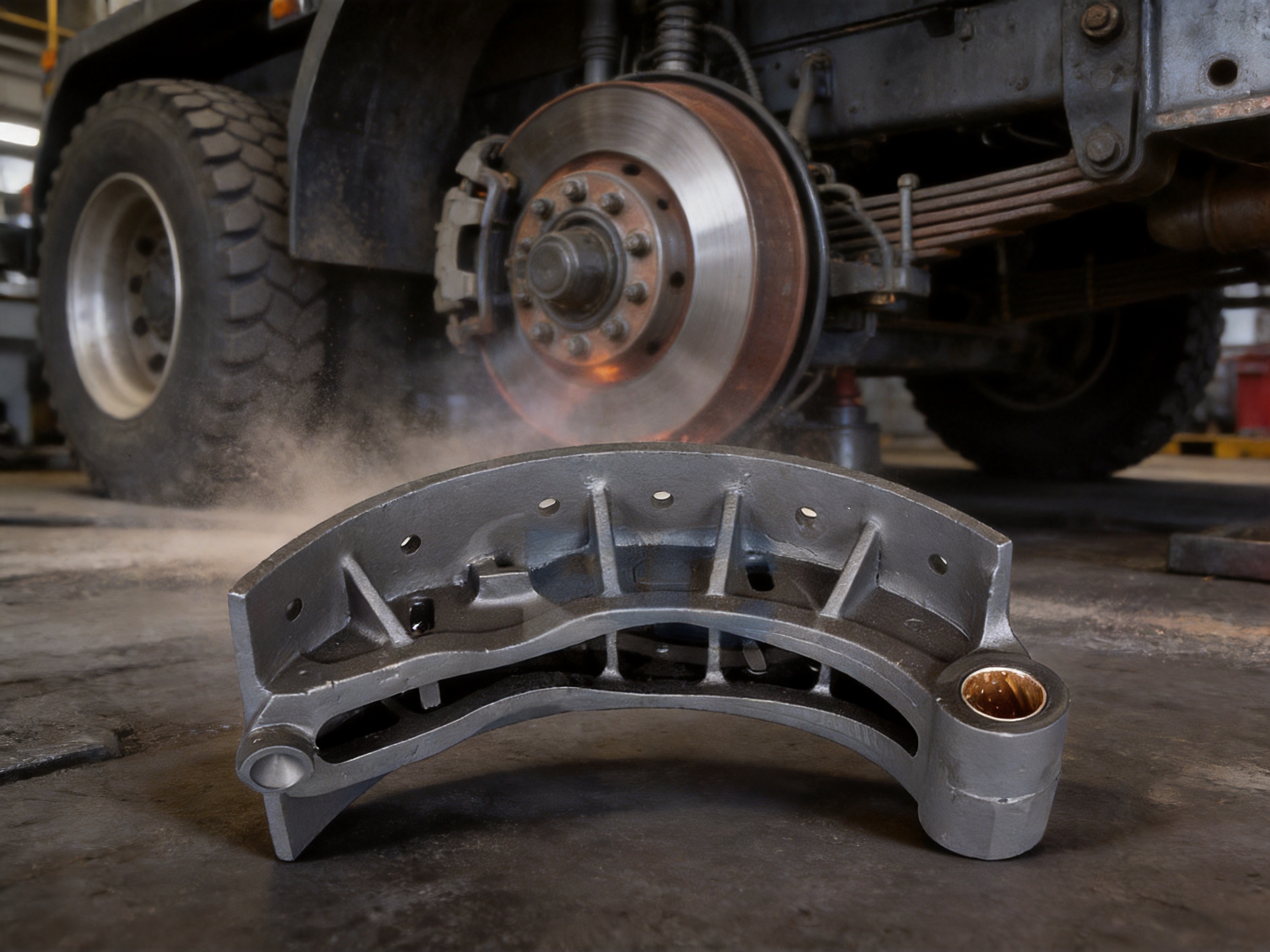
A casted brake shoe is a curved structural component installed inside a drum brake assembly. When the driver applies the brake, the wheel cylinder or mechanical actuator pushes the brake shoes outward against the inner surface of the rotating drum. The friction lining attached to the shoe creates the braking force that slows or stops the vehicle.
The shoe body must withstand repeated mechanical loading while maintaining its intended shape. It must also support the lining over the entire service period. If the shoe flexes excessively, becomes distorted, develops cracks, or fails to maintain correct contact with the drum, braking performance can become uneven. Such problems may result in noise, vibration, accelerated lining wear, drum damage, or reduced braking efficiency.
The NISSAN OIL Casted Brake Shoe is intended for applications where the vehicle requires a strong cast shoe structure rather than a lighter stamped-steel alternative. Casting provides a practical method for producing a durable, dimensionally controlled component with the mass and stiffness needed for demanding drum-brake systems.
The product is available in multiple configurations. The listed table widths include 6 inches, 7 inches, and 8.5 inches. The specified riveting-hole options include 18, 20, 30, and 38 holes. These differences are important because brake shoes that appear similar may not be interchangeable. Width, curvature, hole pattern, OEM reference, and lining attachment arrangement all affect compatibility.
| Product Reference | OEM Reference | Table Width | Riveting Holes | Application |
| NISSAN OIL | 44060-90870 | 6 inches | 20 | Nissan oil vehicle application |
| Catalog reference | 44060-90201 | 7 inches | 18 | Nissan oil vehicle application |
| Catalog reference | 44060-90326 | 8.5 inches | 30 | Nissan oil vehicle application |
| Catalog reference | 44060-90278 | 8.5 inches | 38 | Nissan oil vehicle application |
Because the catalog information uses a compact reference format, buyers should confirm the exact OEM number, brake assembly dimensions, and hole layout before ordering. A qualified supplier can assist with matching the part to the vehicle and axle specification.
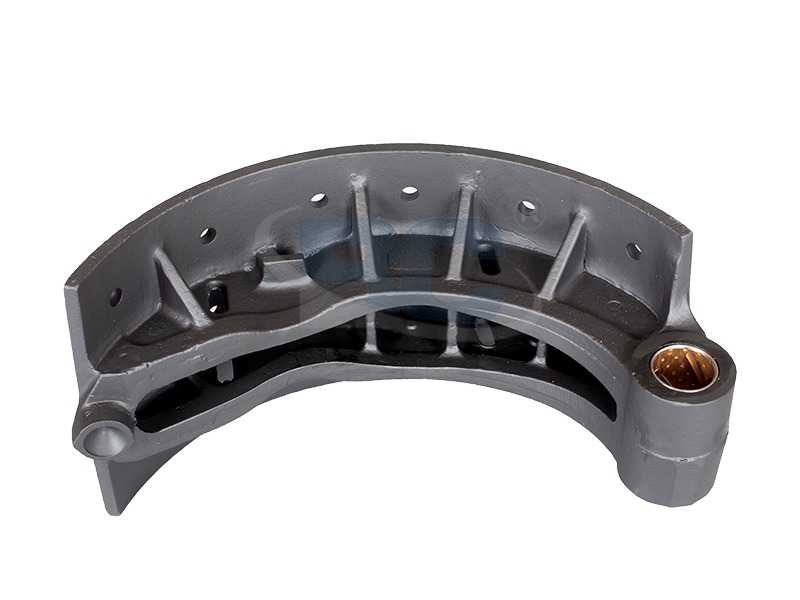
NISSAN OIL Casted Brake Shoe
Why Casted Brake Shoes Matter in Heavy-Duty Applications
Heavy-duty vehicles place greater loads on their brake systems than most light vehicles. A loaded commercial vehicle has substantially more kinetic energy than an unloaded vehicle traveling at the same speed. The braking system must convert that energy into heat and do so repeatedly without excessive distortion, loss of contact, or structural damage.
The brake shoe is exposed to several types of force at the same time. It experiences outward actuator force, frictional reaction from the drum, vibration from road conditions, and thermal expansion caused by braking. A suitable shoe must maintain its geometry under these combined stresses.
Casted construction is valuable because it can provide a stable and rigid foundation for the friction lining. A rigid shoe helps maintain more consistent contact between the lining and the drum. Consistent contact can support even wear and reduce the possibility of localized hot spots caused by partial engagement.
The cast structure also supports heavy-duty repair practices. In many commercial vehicle systems, the shoe body may be reused when it remains structurally sound, while the worn friction lining is replaced through a relining or repair process. This makes the quality of the shoe body particularly important. A strong and properly manufactured body can support multiple maintenance cycles, provided it passes inspection and remains within acceptable dimensional limits.
For fleet operators, the value of a casted brake shoe is therefore connected to more than initial purchase price. A suitable component can contribute to predictable braking, longer maintenance intervals, reduced risk of premature wear, and better control over spare-parts inventory.
Key Product Advantages
Robust Structural Foundation
The primary advantage of a casted brake shoe is its structural strength. The shoe body forms the support platform for the brake lining and transfers actuator force to the drum. A robust body helps resist bending and deformation during repeated braking.
In commercial vehicle service, this strength is especially important when vehicles operate with heavy loads, frequent stops, or long downhill sections. A shoe that maintains its original shape can help the lining remain correctly positioned relative to the drum. This supports more stable braking action and reduces the likelihood of irregular contact.
Suitable for High-Demand Service
The NISSAN OIL Casted Brake Shoe is intended for Nissan oil vehicle applications listed in the product catalog. Oil transport and related commercial vehicles commonly require dependable braking components because they may operate over extended routes and carry high-value or heavy cargo.
A brake shoe for this environment must be selected according to the correct OEM reference and dimensional configuration. The availability of multiple sizes allows the product range to serve different brake assemblies rather than forcing one general-purpose component into several applications.
Multiple Size and Hole Configurations
The product data identifies four OEM references and several combinations of width and riveting-hole count. This variety is useful to distributors and fleet maintenance departments because it improves the possibility of finding a suitable replacement within one product family.
The 6-inch configuration is listed with 20 riveting holes. The 7-inch configuration is listed with 18 holes. The two 8.5-inch configurations use 30 and 38 holes respectively. These differences demonstrate why visual similarity alone is not sufficient for product identification.
Correct hole positioning supports accurate lining installation. If a lining is attached using an unsuitable hole arrangement, the fastening pattern may not distribute load evenly. This can compromise the connection between the lining and shoe body and may lead to premature loosening or uneven wear.
Support for Professional Relining
Brake shoe repair and relining are common practices in commercial vehicle maintenance. When the existing shoe body is free from cracks, severe corrosion, distortion, and excessive wear, replacing the lining can be a practical way to restore the assembly.
A casted shoe designed with a defined riveting-hole pattern can support professional relining work. The workshop can select an appropriate lining, position it accurately, and use the specified fastening process. The result is a serviceable brake assembly that can help reduce material waste and lower maintenance costs compared with replacing every component unnecessarily.
Compatibility-Oriented Product Identification
The product range is organized using OEM references and application information. This approach is more reliable than selecting a brake shoe only according to general vehicle type. Commercial vehicles can use different axles, brake drums, production years, and regional specifications. An OEM reference provides a more precise starting point for confirming compatibility.
For export distributors, the use of identifiable OEM references also simplifies catalog management. Stock can be organized by reference number, width, hole count, and application. This can reduce errors when parts are ordered for different vehicle models or fleet groups.
Potential Maintenance and Inventory Benefits
A focused heavy-duty brake-parts range can help purchasers consolidate their sourcing. Zhejiang Bangchi Auto Parts Co., Ltd. supplies several related categories, including casted brake shoes, steel brake shoes, brake linings, lined brake shoes, brake shoe repair kits, and lined brake shoe kits.
Purchasing related components from the same manufacturing source can simplify communication about dimensions, lining materials, fastening arrangements, packaging, and quality expectations. It may also support mixed orders for distributors that serve different types of repair workshops.
Manufacturing Process Considerations
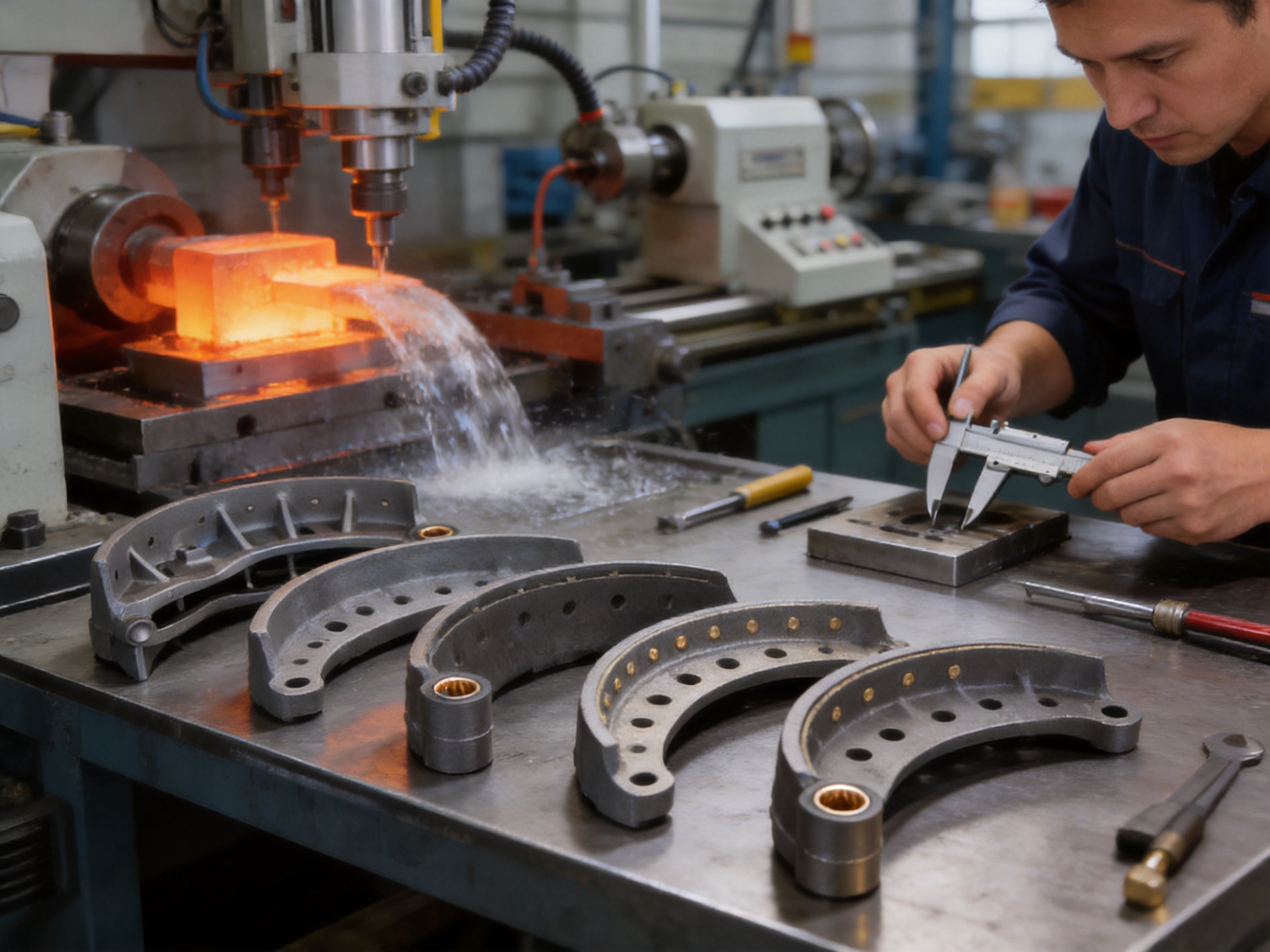
The performance of a casted brake shoe depends heavily on manufacturing control. A brake shoe may have the correct general appearance and still be unsuitable if its material quality, dimensions, machining, or hole pattern is inconsistent. For this reason, an experienced manufacturer must manage the process from pattern design through final inspection.
Pattern and Mold Preparation
The manufacturing process begins with a design that reflects the required brake-shoe geometry. The pattern must define the curved body, reinforcing features, mounting areas, and other relevant surfaces. Mold preparation must preserve these features accurately so that each casting follows the intended profile.
Dimensional control at this stage is important because errors in the mold can be repeated across a large production batch. A suitable production system therefore requires careful preparation of tooling and regular monitoring of mold condition.
Material Preparation and Casting
Material used for a casted brake shoe must provide suitable strength, toughness, and resistance to service-related stress. The material preparation stage involves controlling the metal charge and maintaining consistency between production batches.
During casting, molten metal fills the prepared mold and forms the basic shoe body. The pouring process must be managed to support complete filling and minimize defects such as shrinkage, inclusions, porosity, or incomplete formation. Cooling conditions are also important because uncontrolled cooling can contribute to distortion or internal stress.
A responsible manufacturer evaluates the casting process through inspection and process monitoring. While exact process parameters may vary according to the product design and material specification, the general objective remains the same: to produce a sound shoe body with reliable geometry and adequate mechanical integrity.
Cleaning and Surface Treatment
After the casting has cooled, excess material and residual mold media must be removed. The shoe body may undergo fettling, grinding, shot cleaning, or other surface-preparation operations. These operations help remove unwanted projections and prepare the component for machining and inspection.
Surface treatment must be controlled carefully. Excessive grinding can reduce material in critical areas, while insufficient cleaning can leave residues that interfere with later operations. The finished shoe should have a clean, controlled surface suitable for subsequent drilling, machining, painting, or lining installation.
Machining and Hole Formation
Riveting holes are a defining feature of the product configurations. The hole count and location must correspond to the correct application. Precision in drilling or machining helps ensure that the lining can be mounted evenly and that the fasteners sit correctly.
Hole edges should be free from excessive burrs and damage. Incorrect hole diameter, spacing, or position can complicate relining and affect fastening reliability. For products with 18, 20, 30, or 38 holes, the inspection process should verify the complete pattern rather than checking only a small number of locations.
Machining may also be required on other contact or mounting surfaces. These operations help achieve the dimensional relationship needed between the shoe, lining, actuator, return hardware, and drum. Maintaining this relationship is essential for correct brake operation.
Dimensional Inspection
Dimensional inspection is one of the most important stages in brake-shoe manufacturing. Inspectors may verify the shoe width, curvature, hole spacing, mounting dimensions, and overall profile against approved production standards.
For the configurations listed in the catalog, width identification is especially important. A 6-inch shoe, a 7-inch shoe, and an 8.5-inch shoe cannot be treated as interchangeable simply because they belong to the same application family. The correct width must be matched with the corresponding drum and lining dimensions.
Inspection equipment should be selected according to the feature being measured. Basic gauges may be suitable for repetitive production checks, while dedicated fixtures or coordinate measuring equipment may be used for more complex dimensions. The purpose is to identify variation before parts reach the customer or installation workshop.
Crack and Defect Inspection
Structural defects can reduce the service reliability of a casted brake shoe. Visual inspection can identify obvious cracks, excessive surface irregularities, or incomplete casting features. Depending on the manufacturing control plan, additional non-destructive inspection methods may be applied to critical areas.
Inspection attention should be directed toward locations that experience concentrated stress, including mounting points, actuator-contact areas, transitions in section thickness, and regions surrounding drilled holes. A consistent inspection routine helps reduce the risk of releasing components with visible or suspected structural problems.
Protective Finishing and Packaging
After inspection, the shoe may receive a protective finish to help control surface oxidation during storage and transportation. The selected finish should be compatible with the intended application and should not interfere with lining installation or mechanical contact surfaces.
Packaging should protect the shoe from impact, moisture, and unnecessary contamination. Heavy-duty cast components can be vulnerable to damage if they are allowed to move freely inside a shipping carton. Appropriate separators, wrapping, and labeling help preserve product condition and simplify warehouse identification.
Quality Control Strengths
A manufacturer of heavy-duty brake parts must combine production capability with disciplined quality control. Zhejiang Bangchi Auto Parts Co., Ltd. presents its product range as OEM-oriented and aligned with global FMSI numbering practices. This positioning reflects the importance of organized product identification and application matching in the international replacement-parts market.
Quality control begins before production. Technical drawings, OEM references, material requirements, mold conditions, and inspection criteria should be reviewed before a production run starts. This preparation is important because brake shoes are safety-related parts and cannot be managed like ordinary low-stress hardware.
During production, process checkpoints can include casting appearance, body dimensions, hole configuration, surface condition, and batch traceability. If a problem is identified, the manufacturer can investigate whether it originates in material preparation, mold wear, machining, handling, or another stage.
Final inspection should confirm that the product corresponds to the customer’s order. This includes checking the OEM reference, width, riveting-hole count, application marking, quantity, and packaging. Clear identification reduces the chance of mixing visually similar brake shoes in inventory.
For international customers, communication is another important quality factor. Product drawings, dimensional information, photographs, packaging marks, and application lists can help distributors and workshops make accurate purchasing decisions. A manufacturer that can provide clear technical support adds value beyond the physical component itself.
Comparison with Lower-Quality Alternatives
Structural Stability
Low-quality brake shoes may use inconsistent casting practices, insufficient material control, or weak sections in areas exposed to repeated loading. Such defects can increase the likelihood of deformation or premature failure. A properly controlled casted shoe is designed to provide a more dependable structural base.
Compared with poorly manufactured alternatives, a sound casted brake shoe can offer better resistance to repeated actuator force and frictional reaction. This does not eliminate the need for inspection or correct installation, but it provides a stronger starting point for the braking assembly.
Dimensional Accuracy
Inaccurate curvature or width can prevent the lining from making even contact with the brake drum. This may require excessive bedding-in, create localized wear, or produce unstable braking behavior. A controlled manufacturing process helps maintain the shape needed for correct assembly.
Hole accuracy also differentiates a professional product from an inferior alternative. A lining cannot be fastened properly if the holes are misplaced, irregular, or poorly finished. The listed configurations of 18, 20, 30, and 38 holes require specific manufacturing discipline.
Application Reliability
Generic parts with vague application descriptions can create ordering and installation risks. The NISSAN OIL Casted Brake Shoe is identified through specific OEM references and dimensional information, giving buyers a clearer basis for selection.
Application identification is particularly valuable for fleets that operate several vehicle generations. A structured product catalog helps maintenance teams avoid assuming that every brake shoe used on a similar vehicle is the same.
Lifecycle Value
The lowest purchase price does not always represent the lowest operating cost. A brake shoe that causes premature lining wear, repeated adjustment, poor drum contact, or early replacement can increase labor and downtime expenses.
A correctly manufactured casted shoe may support better lifecycle value by providing a stable base for the lining and by fitting the intended application more accurately. The actual service life will depend on vehicle load, driving conditions, lining selection, installation quality, drum condition, and maintenance practices.
Installation and Relining Guidance
Before installation, the technician should verify the OEM reference, shoe width, hole count, curvature, and overall dimensions. The replacement should be compared with the removed component and checked against the vehicle or axle documentation.
The brake drum should also be inspected. A new or relined shoe cannot perform correctly if the drum is excessively worn, cracked, tapered, contaminated, or outside the permitted service dimension. The contact surfaces should be clean and free from oil, grease, and other substances that may reduce friction.
If the shoe is supplied without a lining, the lining must be selected according to the brake system requirements. The lining should be suitable for the vehicle’s load, operating temperature, speed, and service conditions. It must be positioned correctly so that the leading and trailing areas correspond to the intended design.
Riveting should be performed with suitable tools and procedures. Fasteners must be correctly sized and installed without damaging the lining or distorting the shoe. The fastening sequence should support even seating from one end of the lining to the other. Rivet heads should be secure, properly formed, and free from interference with the drum.
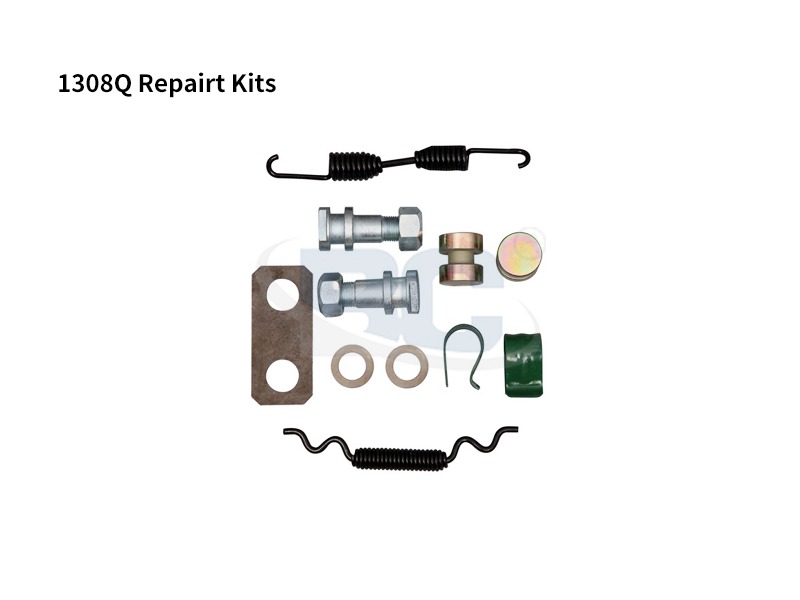
All springs, adjusters, pins, retainers, and actuator components should be inspected during brake service. Replacing a shoe while leaving severely worn hardware in place may prevent the brake system from operating correctly. The complete assembly should be cleaned and lubricated only at approved contact points, never on the friction surfaces.
After installation, the brake should be adjusted according to the vehicle manufacturer’s procedure. The wheel should rotate without abnormal drag, and the brake pedal or mechanical control should feel consistent. A controlled bedding-in procedure may be required to establish suitable contact between the lining and drum.
Any unusual noise, pulling, vibration, overheating, or uneven braking after installation should be investigated immediately. Brake components should never be modified in the workshop to force an incorrect part to fit.
Maintenance and Inspection Recommendations
Regular inspection helps identify problems before they affect fleet safety or cause costly downtime. During scheduled service, technicians should inspect the lining thickness, shoe curvature, riveting condition, return springs, adjuster operation, drum surface, and evidence of overheating.
The casted shoe should be removed from service if it shows cracks, serious corrosion, distortion, elongated holes, damaged mounting points, or other structural problems. A shoe that has lost its original geometry may not provide reliable contact even if the lining appears acceptable.
Rivets and lining fasteners should be checked for looseness. If a lining has shifted, cracked, or separated from the shoe, the vehicle should not continue normal service until the cause has been determined. Continued operation with a loose lining can damage the drum and create an unpredictable braking condition.
Brake drums should be measured rather than judged only by appearance. Excessive diameter, taper, scoring, heat checking, or cracking can affect the operation of a replacement shoe. When a drum is resurfaced or replaced, the shoe and lining should be evaluated as part of the same braking system.
Fleet maintenance records can help identify patterns. If one vehicle or axle repeatedly experiences uneven wear, the cause may involve adjustment, wheel-cylinder operation, contamination, drum condition, suspension alignment, or loading practices rather than the shoe alone.
Purchasing and Supply Advantages
For distributors and commercial vehicle parts buyers, product availability and application clarity are as important as component quality. The NISSAN OIL Casted Brake Shoe is part of a product range that covers several heavy-duty brake categories. This creates opportunities for consolidated purchasing and coordinated inventory planning.
A distributor may stock the product according to OEM reference, table width, and riveting-hole configuration. The 6-inch, 7-inch, and 8.5-inch options can be separated physically and identified with clear warehouse labels. This reduces the risk of shipping a similar-looking but incompatible shoe.
Bulk purchasers should discuss packaging requirements, labeling, order quantities, inspection documentation, and production scheduling with the supplier. Export customers may also require customized carton marks or product identification according to their market and distribution system.
Because brake shoes are application-specific, buyers should provide as much information as possible when requesting a quotation. Useful information includes OEM number, vehicle model, axle position, brake drum size, shoe width, lining specification, required hole count, annual demand, and destination market.
Zhejiang Bangchi Auto Parts Co., Ltd. is located in Haining, Zhejiang, China, and provides heavy-duty brake components for international customers. Its stated product scope includes both individual brake components and repair-oriented kits. This range can be useful for customers that require complete maintenance solutions rather than isolated shoe bodies.
Application Matching Table
| Selection Item | Why It Matters | Recommended Buyer Check |
| OEM reference | Identifies the intended brake assembly | Compare the number with vehicle or axle documentation |
| Table width | Influences fit within the drum and lining arrangement | Confirm whether the required size is 6, 7, or 8.5 inches |
| Riveting-hole count | Determines lining attachment compatibility | Confirm 18, 20, 30, or 38 holes as applicable |
| Curvature | Controls contact between lining and drum | Compare with the original shoe or approved drawing |
| Application | Prevents use in an unrelated brake system | Verify the Nissan oil vehicle application |
| Shoe condition | Structural integrity affects service safety | Inspect for cracks, distortion, corrosion, and damaged holes |
Environmental and Operational Considerations
Brake shoes are exposed to conditions that vary widely from one fleet to another. Vehicles operating in coastal areas may experience accelerated corrosion, while vehicles working in dusty or muddy environments may require more frequent cleaning and inspection. Long-distance vehicles may experience high thermal loads, and urban delivery vehicles may perform frequent stop-and-go braking.
The selection of a casted brake shoe should therefore be combined with a suitable lining and maintenance plan. The shoe body provides structural support, but overall brake performance depends on the interaction of the shoe, lining, drum, actuator, adjuster, springs, and vehicle control system.
Correct storage before installation is also important. Brake shoes should be stored in a dry, ventilated area away from chemicals, oil, water, and direct exposure to severe weather. Heavy components should be stacked safely to prevent deformation or impact damage. Product labels should remain visible so that different OEM references are not mixed.
During transportation, protective packaging helps prevent chipped edges, damaged holes, and contact with corrosive substances. Customers receiving a shipment should inspect cartons and components before putting them into stock. Any visible damage should be recorded and communicated promptly to the supplier.
Why Manufacturer Experience Matters
Brake-component manufacturing requires more than the ability to produce metal shapes. The supplier must understand application differences, casting behavior, machining requirements, lining attachment, inspection procedures, and commercial vehicle maintenance expectations.
Zhejiang Bangchi Auto Parts Co., Ltd. focuses on heavy-duty brake parts rather than a broad range of unrelated automotive products. This specialization can support deeper knowledge of brake-shoe geometry, product families, repair kits, and replacement-market requirements.
The company’s product categories include steel brake shoes, casted brake shoes, brake linings, lined brake shoes, brake shoe repair kits, and lined brake shoe kits. Such a portfolio indicates an ability to serve different customer preferences. Some buyers may need bare shoes for local relining, while others may require complete lined assemblies or repair kits for workshop installation.
A specialized manufacturer can also help customers distinguish between products that differ only slightly in appearance. Differences in width, hole pattern, curvature, and OEM reference are critical in commercial brake applications. Technical communication and organized cataloging are therefore important strengths when supplying international markets.
Manufacturing capability should always be evaluated together with customer support. A reliable supplier should be able to discuss drawings, samples, application data, packaging, production lead times, and inspection expectations. These capabilities help create a more controlled purchasing process for distributors and fleet operators.
Frequently Asked Questions
What type of product is the NISSAN OIL Casted Brake Shoe?
It is a casted brake shoe designed for heavy-duty drum brake applications identified in the product catalog as Nissan oil vehicle applications. It provides the structural base for a brake lining and operates inside the brake drum assembly.
Which OEM references are listed for this product range?
The listed OEM references are 44060-90870, 44060-90201, 44060-90326, and 44060-90278. Buyers should verify the exact reference against the vehicle, axle, and brake assembly before ordering.
What table widths are available?
The catalog lists 6-inch, 7-inch, and 8.5-inch table-width configurations. The two 8.5-inch versions have different riveting-hole counts, so width alone is not sufficient for identification.
How many riveting holes are specified?
The listed options include 18, 20, 30, and 38 riveting holes. The correct count depends on the specific brake-shoe configuration and OEM reference.
Can the casted brake shoe be used for relining?
It can be suitable for professional relining when the shoe body is structurally sound and the replacement lining, rivets, tools, and procedures are appropriate for the application. The shoe must be inspected before reuse or installation.
Why is a casted brake shoe useful for heavy-duty vehicles?
A casted shoe provides a robust support structure for the lining and is designed to withstand repeated mechanical and thermal loading associated with commercial vehicle braking. Its suitability still depends on correct application matching and proper maintenance.
Is the product interchangeable with every Nissan brake shoe?
No. The product should only be used when the OEM reference, width, curvature, hole pattern, and brake-system dimensions are confirmed. Similar appearance does not guarantee compatibility.
What should be checked before installation?
The technician should check the OEM reference, shoe dimensions, curvature, hole pattern, drum condition, lining specification, springs, adjuster, actuator components, and overall brake hardware. The friction surfaces must be clean and free from contamination.
What are the advantages of sourcing related brake parts from one supplier?
One supplier can simplify communication, product identification, inventory planning, packaging coordination, and technical support. Zhejiang Bangchi Auto Parts Co., Ltd. offers casted brake shoes along with other heavy-duty brake components and repair-oriented products.
Where is the manufacturer located?
Zhejiang Bangchi Auto Parts Co., Ltd. is located at No. 9 Building, No. 11 Qiyi Road, Chang’an Town, Haining, Zhejiang, China.
How should buyers request a quotation?
Buyers should provide the OEM reference, required width, riveting-hole count, vehicle or axle information, quantity, lining requirement, packaging preferences, and destination market. Supplying detailed information improves the accuracy of the quotation and compatibility review.
Conclusion
The NISSAN OIL Casted Brake Shoe is a heavy-duty drum-brake component developed for specified Nissan oil vehicle applications. Its main advantages include a strong casted structure, multiple dimensional configurations, defined riveting-hole patterns, support for professional relining, and application-oriented identification through OEM references.
The listed configurations cover 6-inch, 7-inch, and 8.5-inch widths, with 18, 20, 30, or 38 riveting holes depending on the reference. This range gives distributors and maintenance organizations greater flexibility while also emphasizing the need for accurate part selection.
The quality of a casted brake shoe depends on controlled pattern preparation, material handling, casting, cleaning, machining, hole formation, dimensional inspection, defect checking, finishing, and packaging. A specialized heavy-duty brake-parts manufacturer can add value by combining these production capabilities with organized catalog information and technical support.
For commercial vehicle operators, the best purchasing decision is not based only on price. It considers structural reliability, application compatibility, relining requirements, inventory efficiency, maintenance conditions, and supplier support. When properly matched, installed, and maintained, a dependable casted brake shoe can contribute to stable braking performance and a more controlled heavy-duty vehicle maintenance program.
References
1. Zhejiang Bangchi Auto Parts Co., Ltd. Product catalog information for casted brake shoes, including OEM references, widths, riveting-hole counts, and applications.
2. Commercial Vehicle Drum Brake Service Principles, technical reference material concerning brake-shoe operation, lining attachment, drum inspection, and maintenance procedures.
3. FMSI Automotive Parts Identification Practices, general reference for organized replacement-part numbering and application identification.
4. Heavy-Duty Vehicle Brake Inspection and Maintenance Guidelines, reference material covering brake hardware inspection, relining practices, drum condition, and service safety.
5. Foundry Process Control Principles for Automotive Components, reference material concerning pattern preparation, casting quality, machining, dimensional control, and defect inspection.
6. Commercial Fleet Preventive Maintenance Practices, reference material concerning brake inspection intervals, inventory planning, service records, and component replacement decisions.