 English
 简体中文
简体中文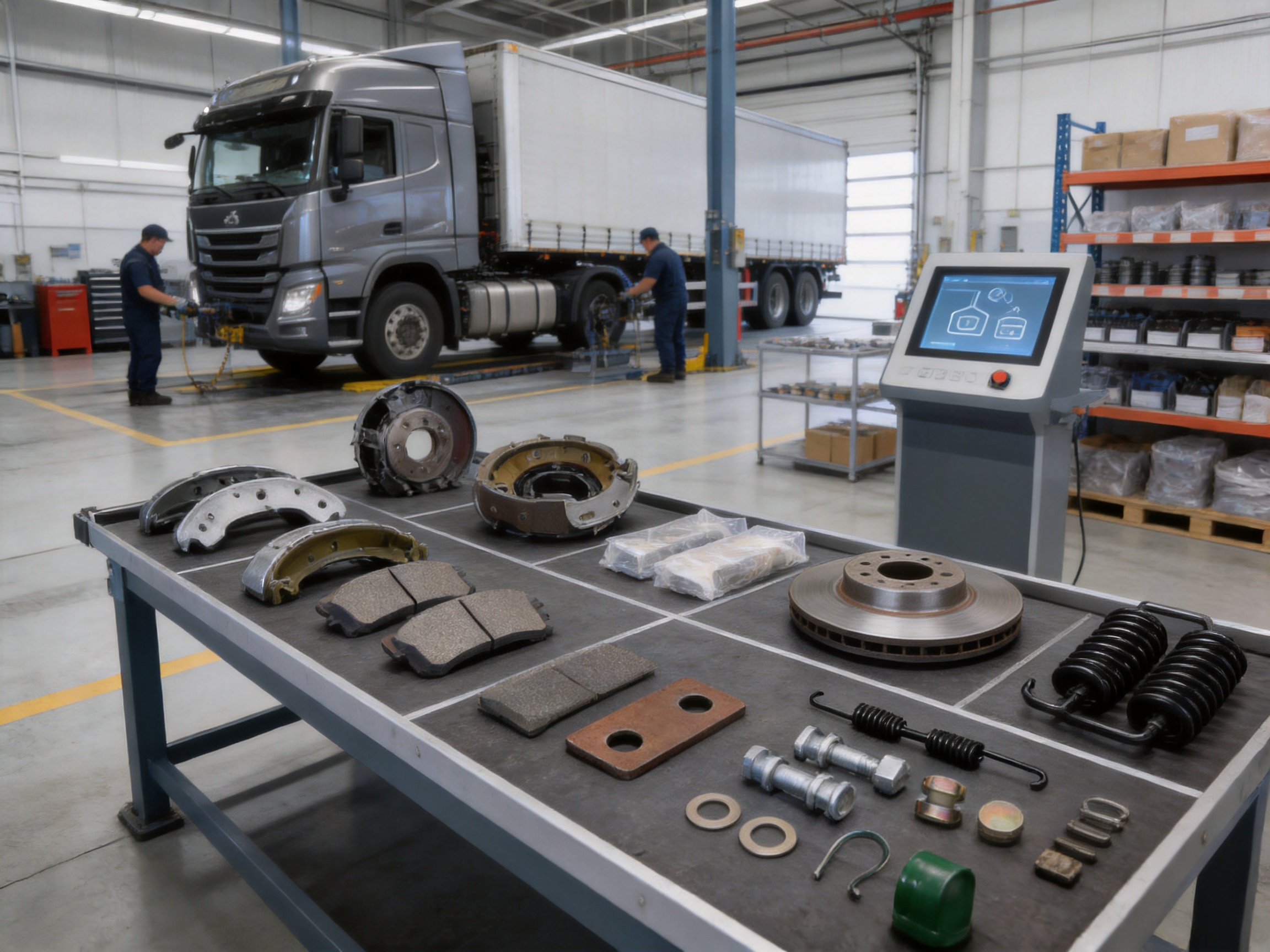
Brake systems in commercial vehicles, trailers, buses, and other heavy-duty applications operate under demanding conditions. High vehicle weight, frequent braking, long operating hours, road contamination, vibration, and temperature changes all place continuous stress on brake shoes and their related hardware. When a brake shoe assembly is serviced, replacing only the visible friction material may not be enough. Worn springs, damaged retainers, distorted pins, fatigued clips, or corroded adjustment components can reduce braking consistency and shorten the service life of a renewed assembly.
The 1308Q Brake Shoe Repair Kit is designed for maintenance operations that require a practical way to restore the supporting hardware of a brake shoe assembly. As part of a product range that includes steel brake shoes, casted brake shoes, brake linings, lined brake shoes, and lined brake shoe kits, the 1308Q kit can be used as a focused repair solution for suitable heavy-duty brake applications. Its purpose is to help maintenance teams replace worn or compromised brake shoe hardware while keeping the original brake shoe serviceable when the shoe body and friction surface remain within acceptable condition.
A repair kit is a small component package, but its effect on brake performance can be significant. Brake shoe hardware controls movement, positioning, return action, and contact between the shoe and the braking mechanism. A correctly selected kit can support smoother assembly, more predictable brake response, and a more complete repair. The 1308Q product therefore represents more than a collection of replacement parts. It is a maintenance-oriented solution intended to help workshops improve repair efficiency and maintain the operating reliability of heavy vehicles.
1308Q Brake Shoe Repair Kits
Product Overview
The 1308Q Brake Shoe Repair Kit belongs to the Brake Shoe Repair Kits category. The supplied product information identifies the product by the title “1308Q Brake Shoe Repair Kits,” while the available product record does not list a separate part number or a specific original equipment number. For purchasing and technical verification, customers should confirm the required application, dimensions, brake assembly configuration, and cross-reference information before placing an order.
The kit is intended for situations in which a brake shoe assembly requires hardware renewal rather than complete replacement. During routine inspection, a brake shoe may still have an acceptable structural condition and usable friction material, while its supporting parts show signs of wear. Replacing the complete assembly in such a case may increase maintenance cost and create unnecessary downtime. A repair kit provides a more targeted alternative by allowing the workshop to renew the relevant service components.
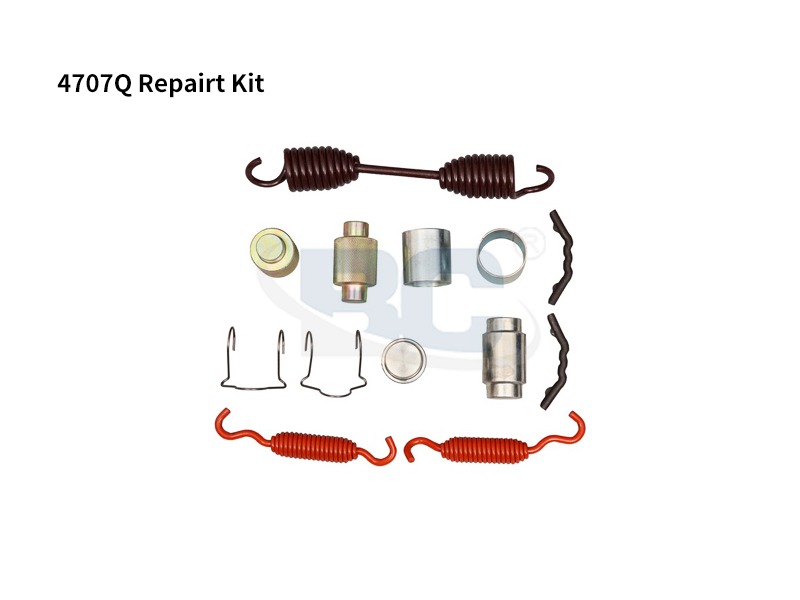
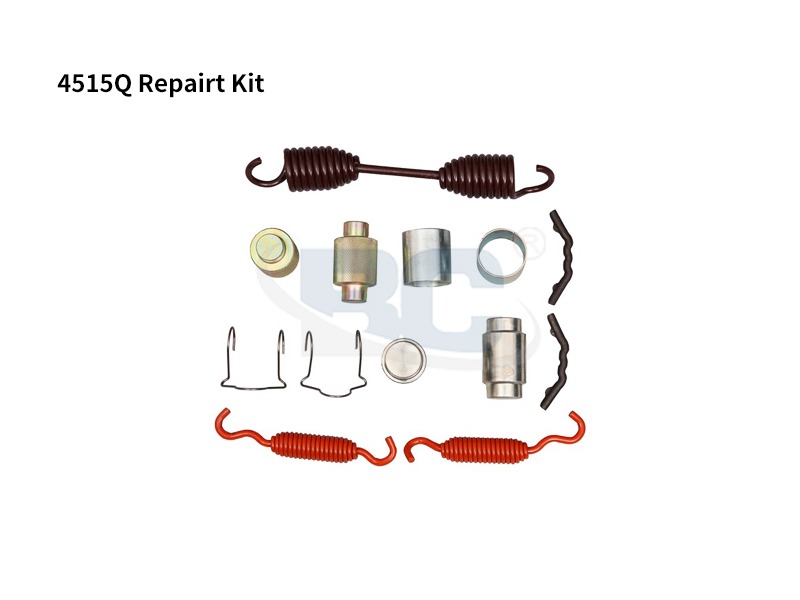
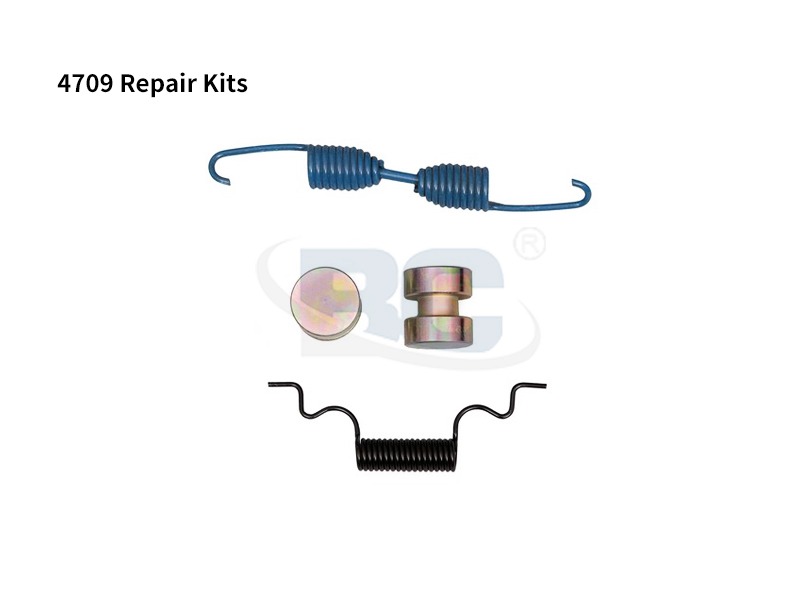
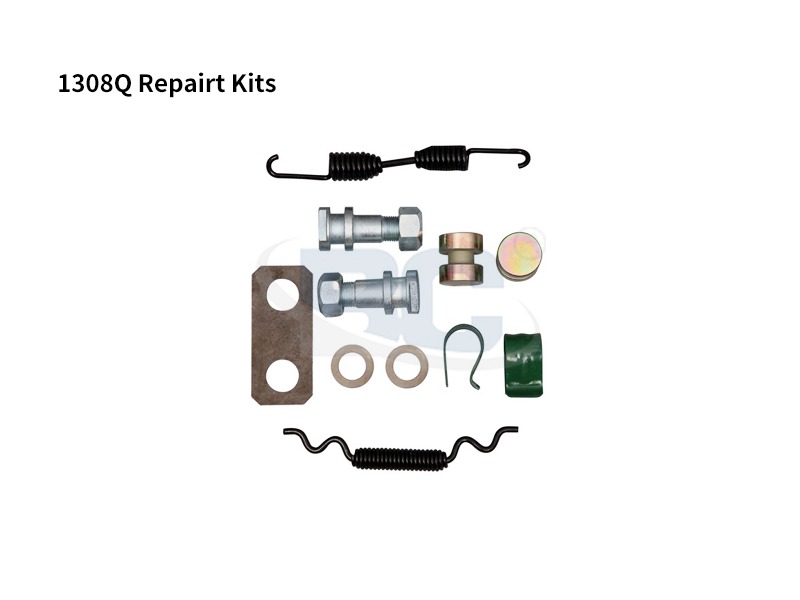
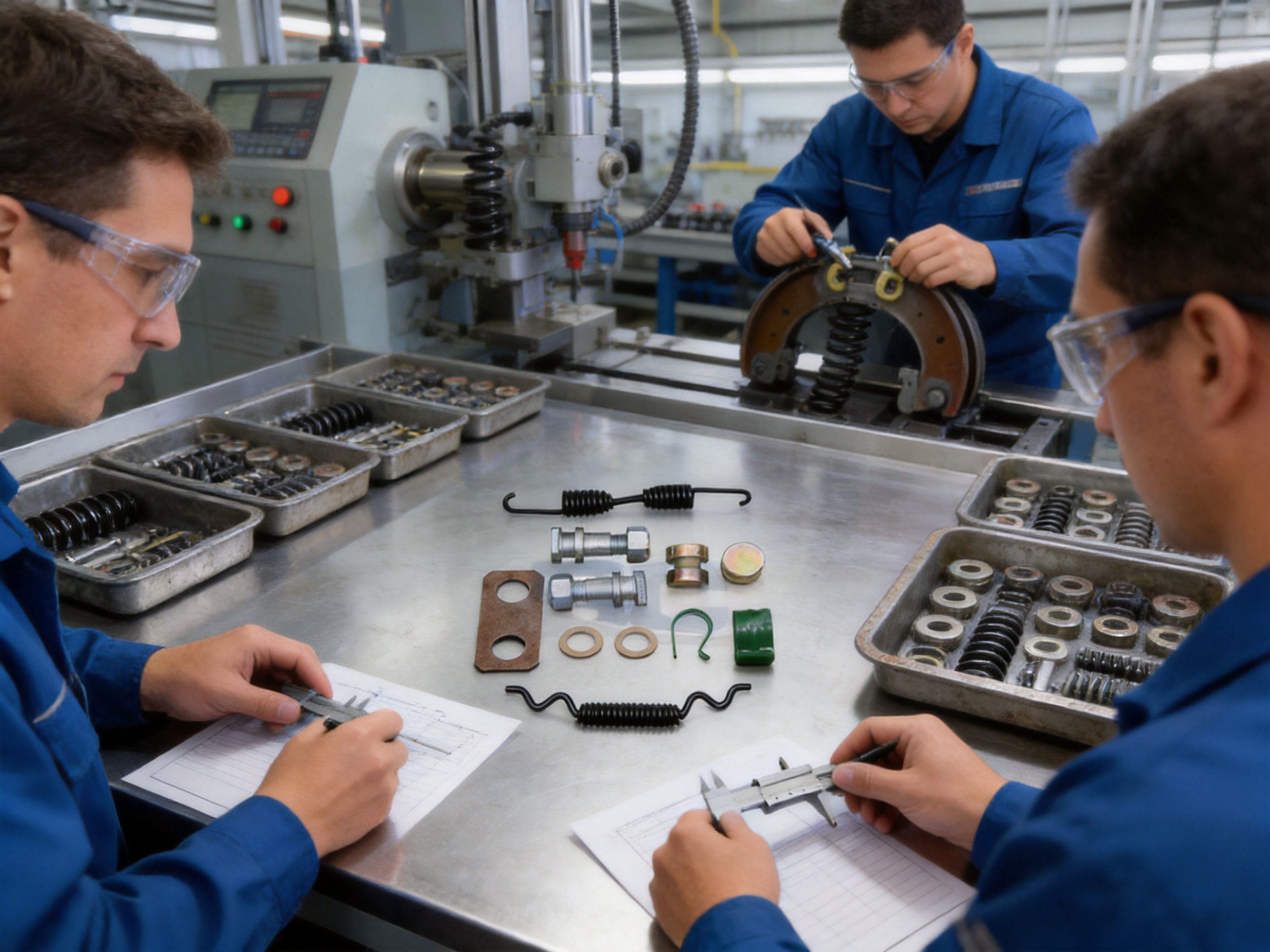
Although the exact contents can vary according to application, a heavy-duty brake shoe repair kit may include items such as return springs, retaining springs, pins, clips, washers, bushings, rollers, or other mounting and positioning components. The actual configuration of the 1308Q kit should be verified against the applicable technical drawing, sample, or application record. Correct identification is essential because brake shoe hardware is not universally interchangeable, even when products appear similar in general shape.
| Product Information | Available Details |
|---|---|
| Product name | 1308Q Brake Shoe Repair Kits |
| Product category | Brake Shoe Repair Kits |
| Related product range | Steel Brake Shoes, Casted Brake Shoes, Brake Linings, Lined Brake Shoes, and Lined Brake Shoe Kits |
| Part number | Application confirmation recommended; no additional number supplied in the product record |
| Original equipment number | Application confirmation recommended; no original equipment number supplied in the product record |
| Recommended use | Heavy-duty brake shoe maintenance and hardware renewal |
| Supplier | Zhejiang Bangchi Auto Parts Co., Ltd. |
Why Brake Shoe Repair Hardware Matters
Brake shoes must move in a controlled manner when the braking system is applied and released. Hardware components provide the mechanical support that allows this movement to occur. A spring that has lost tension may not return the shoe correctly. A worn pin may allow excessive movement. A damaged retainer may fail to maintain the intended position of the shoe. A corroded or distorted component may make assembly difficult and create uneven loading during operation.
These problems can develop gradually. A vehicle may continue to brake after a component begins to deteriorate, but the system may no longer respond with the same consistency. Uneven shoe movement can contribute to irregular contact, accelerated friction material wear, noise, drag, or adjustment problems. In severe cases, degraded hardware can affect the stability of the braking assembly and increase the risk of unexpected maintenance issues.
Replacing the brake shoe hardware during an appropriate service interval provides several practical benefits. It can help restore the intended relationship between the shoe and the drum, support reliable return action, and reduce the possibility that old hardware will undermine a new lining or renewed shoe. The repair process also gives technicians an opportunity to inspect the entire assembly, identify related wear, and prevent minor defects from becoming larger operational problems.
Key Advantages of the 1308Q Repair Kit
Targeted Maintenance
The main advantage of a repair kit is its targeted approach. A workshop does not always need to replace every brake component at the same time. If the brake shoe body is structurally sound and the lining remains suitable, replacing selected hardware can provide a more economical maintenance path. The 1308Q kit is positioned for this type of service, helping users concentrate on the components that require attention.
Targeted maintenance can reduce material waste and support better control of repair budgets. It also allows a fleet operator to match the repair scope to the actual condition of each vehicle. Instead of applying a complete assembly replacement to every brake service, technicians can inspect the assembly and choose a repair kit when the existing shoe remains suitable for continued use.
Support for Consistent Brake Shoe Movement
Brake shoe movement depends on the condition and correct installation of its supporting hardware. New, properly matched components can help maintain the intended movement of the shoe during application and release. This can contribute to more consistent braking behavior and may help minimize unnecessary drag or uneven contact.
The kit is not a substitute for complete brake system inspection, adjustment, or testing. However, it can form an important part of a properly performed repair. When used with a sound brake shoe, suitable friction material, correct installation procedures, and correct adjustment, renewed hardware supports the mechanical function of the assembly.
Maintenance Efficiency
Repair kits can simplify workshop planning by grouping related small components into one product package. Technicians do not need to source every spring, pin, washer, or retainer as a separate item when the kit configuration matches the application. This can reduce the risk of overlooking a small but important component during a repair.
A kit-based approach can also improve inventory organization. Fleet maintenance departments may maintain a clearer record of the repair products used for particular brake assemblies. Distributors can offer a more complete service solution to customers who need brake shoe hardware rather than only a friction lining or a complete brake shoe.
Compatibility with Heavy-Duty Service Requirements
Heavy-duty brake components must operate under repeated mechanical loading. Commercial vehicles may travel long distances, carry substantial loads, and encounter traffic conditions that require frequent braking. The repair hardware must therefore be suitable for the intended assembly and installed with attention to fit, orientation, and function.
The 1308Q kit is part of a product portfolio focused on heavy-duty brake parts. Its application should be confirmed according to the brake assembly requirements, but its category and intended service role make it relevant to maintenance programs that serve trucks, trailers, buses, and other demanding vehicle platforms.
Potentially Lower Total Repair Cost
The price of a repair kit is only one part of the maintenance calculation. Total repair cost also includes labor, vehicle downtime, replacement frequency, stock management, and the consequences of incomplete repairs. When a repair kit allows a serviceable brake shoe to remain in use, it may reduce the cost of replacing a complete assembly.
Cost savings should never be achieved by reusing components that are cracked, distorted, excessively worn, or otherwise unsuitable. The correct decision depends on inspection results. A repair kit provides an economical option when the existing shoe and friction material meet the relevant service requirements.
Application in Heavy-Duty Brake Maintenance
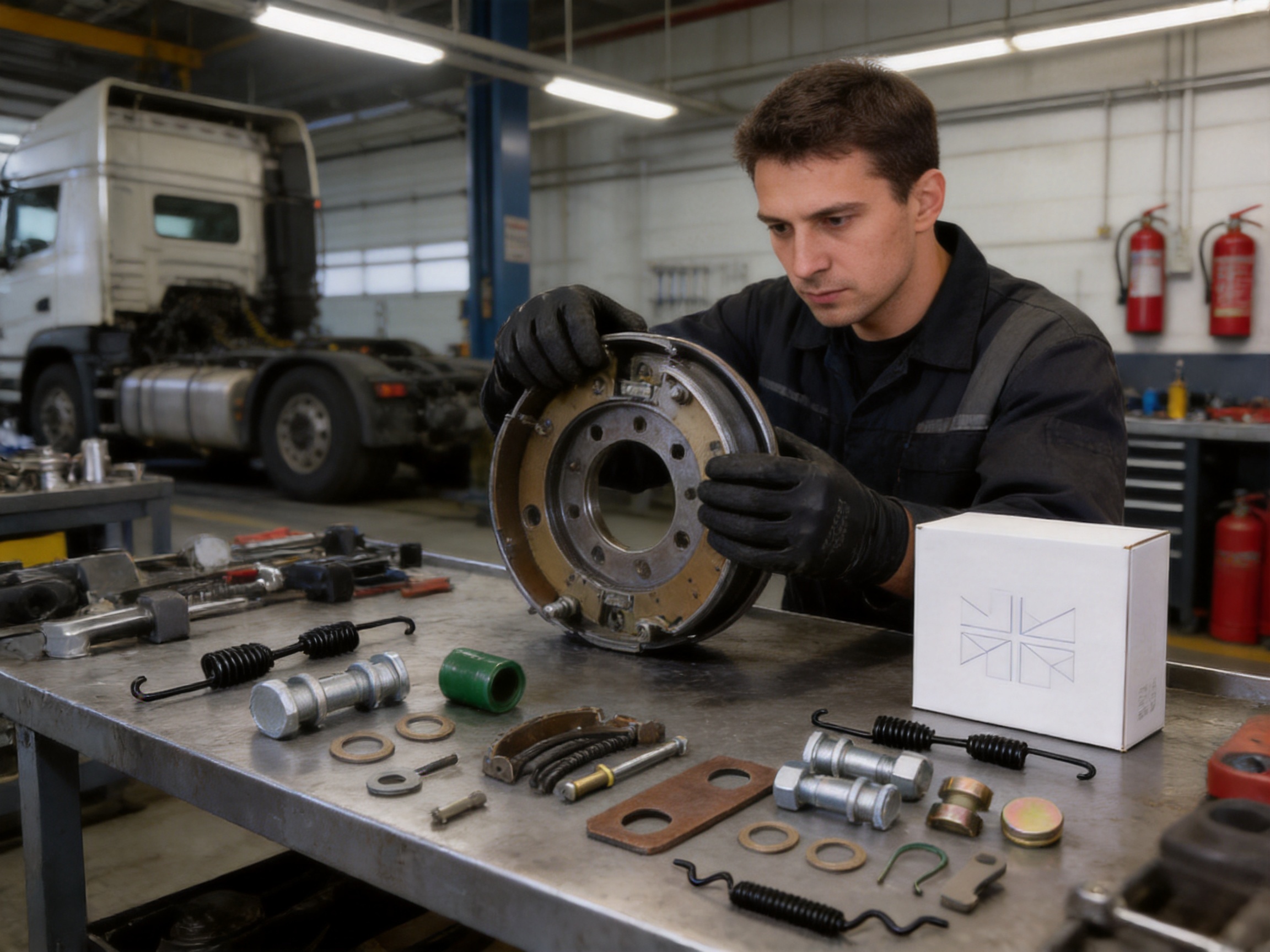
The 1308Q Brake Shoe Repair Kit may be considered for scheduled maintenance, preventive service, workshop refurbishment, and corrective repair. In each case, the technician should begin with a complete inspection of the brake assembly. The inspection should include the brake shoe body, lining condition, drum or related braking surface, pins, springs, retainers, rollers, adjusters, and mounting points.
During inspection, technicians should look for cracks, excessive corrosion, loss of spring tension, elongated holes, distortion, abnormal wear patterns, and evidence of overheating. The condition of the brake drum or other contact surface is also important. A new or renewed hardware set cannot correct a drum that is severely worn, out of specification, cracked, or contaminated.
If the shoe body is suitable for reuse, the old repair hardware can be removed using safe workshop procedures. The shoe should be cleaned and measured where necessary. Contact points should be checked for wear, and the replacement parts should be compared with the removed components before installation. Any discrepancy in shape, length, hole location, diameter, or spring arrangement should be resolved before the brake is returned to service.
After installation, the complete brake assembly should be adjusted according to the vehicle or brake system procedure. The technician should confirm that the shoe moves correctly, returns without binding, and maintains the correct relationship with the drum. A functional test should be completed before the vehicle resumes normal operation.
Product Advantages Compared with Incomplete Repair Solutions
One common alternative to a repair kit is replacing only the friction lining. This approach may appear efficient, but it leaves old springs, pins, retainers, and other hardware in service. If those parts have already experienced fatigue or corrosion, the renewed lining may not perform as expected. The 1308Q kit offers a more complete hardware-focused maintenance option for applications where the shoe itself remains serviceable.
Another alternative is sourcing individual hardware pieces from multiple suppliers. Although this can be appropriate for unusual or one-off repairs, it may create challenges with matching, packaging, lead time, and quality consistency. A correctly specified kit groups the required service items into a more organized solution. This is especially valuable for fleets and distributors that need repeatable maintenance procedures.
A third alternative is replacing the complete lined brake shoe assembly for every service event. Complete assemblies are appropriate when the shoe body, lining, or other major components are beyond reuse. However, full replacement may not always be necessary. The repair kit supports a more flexible maintenance strategy by allowing the workshop to select a partial repair when inspection confirms that the main assembly remains suitable.
| Maintenance Approach | Potential Benefit | Important Consideration |
|---|---|---|
| Replace lining only | Simple friction material renewal | Old hardware remains in service and may affect performance |
| Use individual hardware items | Flexible for unusual repairs | Requires careful matching and additional purchasing control |
| Use a brake shoe repair kit | Grouped hardware renewal and organized installation | Application and contents must be verified before use |
| Replace complete lined brake shoe | Comprehensive assembly replacement | May cost more when the existing shoe body remains serviceable |
Manufacturing Strengths and Quality-Oriented Production
Zhejiang Bangchi Auto Parts Co., Ltd. is identified as a manufacturer and supplier of heavy-duty brake parts. Its product range covers several important categories, including steel brake shoes, casted brake shoes, brake linings, lined brake shoes, lined brake shoe kits, and brake shoe repair kits. This range indicates a product development and manufacturing focus centered on commercial vehicle braking applications rather than a single isolated component.
A broad product range can provide practical advantages in technical coordination. Brake shoes, linings, and repair hardware are closely related during service. A supplier with experience across these categories can better understand the relationships between friction material, shoe structure, hardware fit, and assembly requirements. This product knowledge supports more effective communication when customers need a repair kit, a lined shoe, or a complete brake service solution.
Structured Product Development
Reliable brake parts begin with clear product identification and controlled product development. Each repair kit should be defined by its intended application, component list, dimensions, materials, and inspection requirements. Where an original equipment reference is available, it should be documented and reviewed. Where no original equipment number is provided, dimensional and functional verification becomes especially important.
A structured development process can include sample evaluation, drawing review, prototype preparation, assembly testing, and comparison with approved reference components. For a product such as the 1308Q kit, attention should be given to component fit, spring force, pin dimensions, retainer security, corrosion resistance, and the way the parts operate together within the brake shoe assembly.
Material and Component Control
Small hardware components can have a major role in brake assembly performance. Material selection should reflect the mechanical loads, environmental exposure, temperature variation, and repeated movement expected in service. Springs require suitable elasticity and fatigue resistance. Pins and bushings require appropriate dimensional stability and surface condition. Retainers and clips must maintain secure positioning during operation.
Component control also involves maintaining consistency between production batches. Variations in dimensions or surface treatment can make assembly difficult or change the way the shoe operates. A quality-oriented manufacturing process therefore includes incoming material checks, production monitoring, dimensional inspection, and final verification before shipment.
Manufacturing Process Discipline
Advanced manufacturing does not depend on one machine or one production step. It is a combination of process planning, equipment control, worker training, inspection, traceability, and continuous improvement. For heavy-duty brake parts, process discipline may involve controlled forming, machining, stamping, heat treatment where required, surface finishing, assembly, cleaning, and packaging.
For repair kit components, production discipline is particularly important because the kit contains multiple small parts that must be correctly identified and packed. A complete inspection process should help prevent missing items, mixed configurations, incorrect quantities, or mismatched components. Clear labeling and organized packaging further support the customer’s receiving and installation processes.
Integration of Manufacturing and Inspection
Inspection should not be treated as a final activity only. Quality checks can be applied throughout the manufacturing process. Incoming materials can be evaluated before production. Formed and machined components can be checked during processing. Finished products can be inspected for dimensions, appearance, quantity, and assembly suitability.
For the 1308Q kit, a practical quality system may verify the identity and quantity of each component, compare critical dimensions with approved specifications, inspect surfaces for unacceptable damage, and confirm that the package corresponds to the correct product designation. When customer-specific requirements apply, additional inspection criteria can be incorporated into the order documentation.
Following Global FMSI Numbering Principles
The company describes its heavy-duty brake parts as following the global FMSI numbering system. FMSI numbering is widely used in the friction material industry to support the identification and cataloging of brake lining and friction material shapes. A recognized numbering approach can make product communication easier among manufacturers, distributors, repair facilities, and fleet operators.
Numbering systems are valuable because brake parts can look similar while differing in important dimensions or application details. A consistent reference system helps users discuss the required part more accurately. It can also support catalog management, cross-reference work, stock control, and international purchasing.
However, a number alone should not replace application verification. Customers should confirm the complete product specification, including brake assembly type, dimensions, lining arrangement, mounting pattern, hardware configuration, and service requirements. The available record for the 1308Q product does not provide a specific original equipment number, so technical confirmation is particularly important before installation.
Compatibility and Ordering Guidance
Before ordering the 1308Q Brake Shoe Repair Kit, customers should provide as much application information as possible. Useful information may include the vehicle type, axle position, brake manufacturer, brake chamber or actuator details, shoe dimensions, lining dimensions, photographs of the existing hardware, and any available original equipment or aftermarket reference numbers.
Customers should also identify whether they require a repair kit for one shoe, one axle, or a complete vehicle service. Packaging quantities can affect purchasing decisions. A fleet may need kits in larger quantities for scheduled maintenance, while a repair shop may require a smaller quantity for an individual vehicle.
When a sample is available, it can assist with confirmation. The sample should be clean and complete enough to show the arrangement of the relevant components. Measurements should be taken using suitable tools, and critical dimensions should be recorded rather than estimated visually. This is especially important for springs, pins, bushings, and retainers that may appear interchangeable but have different working dimensions.
| Information to Confirm | Reason for Confirmation |
|---|---|
| Brake shoe type | Different shoe constructions may use different hardware |
| Vehicle and axle application | Supports correct service matching |
| Brake manufacturer or system reference | Helps identify the correct assembly configuration |
| Dimensions of pins, springs, and retainers | Reduces the risk of incorrect fit |
| Required quantity | Ensures suitable purchasing and inventory planning |
| Available original equipment reference | Provides an additional cross-reference point |
| Installation environment | Helps evaluate corrosion, temperature, and service demands |
Installation and Workshop Best Practices
Brake repair should be performed only by trained personnel using appropriate tools and safety procedures. Before removing the brake assembly, the vehicle must be secured against movement. The wheel, drum, and other heavy components should be supported with suitable equipment. Technicians should follow the service instructions applicable to the vehicle and braking system.
The old hardware should be removed carefully so that the shoe and mounting points can be inspected. Excessive force, improper heating, or unsuitable tools may damage reusable components. Once removed, the shoe should be cleaned without introducing contamination into the friction material or damaging the lining surface.
New repair kit components should be compared with the removed components and the approved application information. Springs must be installed in the correct positions and orientations. Pins, clips, retainers, and washers must be seated correctly. If the kit includes components that appear similar but have different lengths or profiles, each one should be matched to the intended location before final assembly.
After installation, the assembly should be checked for free movement and correct return action. There should be no interference, binding, excessive looseness, or abnormal contact. The brake adjustment should then be completed according to the relevant procedure. A controlled test should confirm proper operation before the vehicle is released for normal service.
Technicians should never assume that a repair kit can correct every brake problem. A cracked shoe, severely worn drum, damaged actuator, contaminated lining, or defective adjuster may require additional repair or complete replacement. The repair kit is most effective when it is used as part of a complete inspection and maintenance process.
Service-Life and Reliability Considerations
The service life of brake repair hardware depends on many factors. Vehicle loading, operating routes, braking frequency, climate, road salt, dust, water exposure, maintenance intervals, installation quality, and the condition of related brake parts all influence durability. A properly manufactured kit can support reliable service, but no component can eliminate the effects of unsuitable application or poor installation.
Fleet operators can improve reliability by recording brake service history and observing recurring wear patterns. If a vehicle repeatedly develops damaged springs, loose retainers, or uneven shoe movement, the root cause should be investigated. Possible causes may include drum condition, incorrect adjustment, excessive heat, misalignment, contamination, or an unsuitable component specification.
Preventive inspection is generally more effective than waiting for visible brake problems. During scheduled service, technicians can check hardware condition, measure friction material, inspect the drum, and evaluate the shoe movement. Replacing worn hardware before it causes secondary damage may help reduce unexpected downtime and improve maintenance planning.
Packaging, Supply, and Customer Support
Small brake components must be packaged carefully to prevent loss, mixing, corrosion, or deformation during storage and transportation. A suitable package should identify the product clearly and protect the contents from unnecessary impact and environmental exposure. Component organization is also important because technicians need to identify the correct parts quickly during installation.
Zhejiang Bangchi Auto Parts Co., Ltd. can be contacted for product and application discussions through the company’s listed communication channels. The supplied company details identify its address as No. 9 Building, No. 11 Qiyi Road, Chang'an Town, Haining, Zhejiang, China. The listed email address is sfp@zjbangchi.com, and the company provides telephone and fax contact information for customer communication.
For international customers, clear technical communication is especially important. A request should include the product name, quantity, application, required delivery timing, packaging expectations, and any documentation needs. Customers may also request confirmation of the kit contents, available reference information, inspection arrangements, and shipping preparation.
Position within a Complete Brake Parts Portfolio
The 1308Q repair kit is one part of a broader heavy-duty brake parts offering. Steel brake shoes may be selected when a particular shoe construction and fabrication method are required. Casted brake shoes may be appropriate for applications that specify cast shoe structures. Brake linings provide the friction material element, while lined brake shoes and lined brake shoe kits combine supporting structures and friction material for more complete replacement.
This portfolio approach can benefit customers who prefer to coordinate related purchases through one specialist supplier. A distributor may source both repair hardware and complete brake shoe products. A fleet maintenance department may use repair kits for selected assemblies and complete lined shoes for assemblies that are beyond economical repair. The ability to choose between these solutions supports a more adaptable service strategy.
Product breadth also encourages application-based purchasing rather than one-size-fits-all replacement. The correct product depends on the condition of the vehicle, the brake assembly, the intended duty cycle, and the maintenance objective. A supplier that offers several product categories can help customers select the appropriate level of repair, subject to technical verification.
Competitive Position in the Aftermarket
In the heavy-duty aftermarket, customers generally evaluate brake components according to fit, quality consistency, availability, technical support, and total operating value. The 1308Q kit can be competitive when it meets the required application specification, provides a complete and organized hardware solution, and is supported by disciplined manufacturing and clear product communication.
Its competitive value is not limited to the purchase price. A suitable repair kit may reduce the need to buy a complete brake shoe assembly, simplify workshop preparation, and help prevent old hardware from remaining in a renewed brake system. When the product is correctly matched and properly installed, these practical benefits can contribute to lower maintenance complexity and improved service planning.
The company’s focus on heavy-duty brake parts is another relevant strength. Specialization can support deeper familiarity with commercial vehicle brake requirements, including the relationship between shoe design, lining selection, and repair hardware. The stated use of the global FMSI numbering system also supports more consistent communication when customers identify friction material and brake part requirements.
Customers should still compare products using documented specifications rather than general claims. Before approval, they may evaluate sample fit, dimensional records, material information, packaging quality, inspection procedures, delivery performance, and field feedback. A responsible purchasing decision combines supplier capability with application-specific validation.
Environmental and Economic Benefits of Repair-Based Maintenance
Repairing a serviceable brake shoe instead of discarding the complete assembly can help reduce material consumption. A repair kit replaces selected components while allowing suitable parts of the existing assembly to remain in use. This approach may reduce waste and support more efficient use of maintenance resources.
The environmental benefit depends on proper inspection and responsible disposal. Components that are cracked, severely worn, contaminated, or otherwise unsafe must not be reused merely to reduce cost. Repair-based maintenance is beneficial when it preserves safety and extends the useful life of components that remain within acceptable condition.
From an economic perspective, repair kits can support tiered maintenance. A fleet can categorize brake assemblies according to condition: some may require only hardware renewal, some may require a lining replacement, and others may require a complete lined shoe or brake assembly. This approach helps maintenance managers allocate resources according to actual need.
Quality Assurance Questions for Buyers
Buyers evaluating the 1308Q kit should ask for clear information about the application, component list, dimensional requirements, and available cross-reference data. They should confirm whether the kit is supplied for a specific shoe design, axle position, or brake system. If the product record does not include an original equipment number, buyers should request an application drawing or technical comparison where appropriate.
It is also reasonable to ask how the supplier controls component quantities, packaging, inspection, and traceability. For recurring fleet orders, customers may request consistent labeling and batch identification. These details make it easier to manage inventory, investigate any future concern, and maintain repeatable workshop procedures.
Quality assurance is strongest when it combines documented controls with actual application testing. A product should not be selected only because its general appearance resembles an existing part. Mechanical fit, operating movement, material performance, and assembly security all require attention.
Frequently Asked Questions
What is the 1308Q Brake Shoe Repair Kit used for?
The 1308Q Brake Shoe Repair Kit is intended for the renewal of suitable brake shoe hardware in heavy-duty brake applications. It may be used when the shoe body and friction material remain serviceable but supporting components require replacement. The exact application and kit contents should be confirmed before purchase.
Does the kit include a complete brake shoe?
A repair kit is generally intended to supply service hardware rather than a complete brake shoe assembly. The available product information identifies the item as a Brake Shoe Repair Kit and does not list the exact component contents. Customers should request confirmation of the supplied parts before ordering.
Can the kit be used with any brake shoe?
No. Brake shoe hardware is application-specific. Different brake systems may use different spring lengths, pin diameters, retainer shapes, mounting arrangements, or shoe dimensions. The 1308Q kit should be matched with the applicable brake assembly through reference information, measurements, drawings, or sample comparison.
Is an original equipment number available?
The supplied product record does not provide a product original equipment number. Customers should contact the supplier with vehicle, brake system, dimensional, or sample information to confirm suitability.
What should be inspected before installing the kit?
The technician should inspect the brake shoe body, lining, drum or braking surface, pins, springs, retainers, rollers, adjusters, mounting points, and related actuator components. Cracks, excessive wear, distortion, overheating, contamination, and corrosion should be evaluated before deciding whether the existing shoe can be reused.
What are the main benefits of using a repair kit instead of replacing only the lining?
A repair kit allows worn or fatigued supporting hardware to be renewed at the same time as the friction material or during related service. This can help support correct shoe movement and reduce the risk that old springs, pins, or retainers will affect the performance of the renewed assembly.
What are the main benefits compared with replacing the complete brake shoe?
When the existing shoe remains structurally suitable, a repair kit may provide a more targeted and economical repair. It can reduce material replacement and allow the workshop to match the repair scope to the actual condition of the assembly. Complete replacement remains appropriate when the shoe or lining is beyond acceptable reuse.
Where is the supplier located?
Zhejiang Bangchi Auto Parts Co., Ltd. is listed at No. 9 Building, No. 11 Qiyi Road, Chang'an Town, Haining, Zhejiang, China.
How can customers request more information?
Customers can contact the supplier using the listed telephone numbers, fax number, or email address. The supplied email contact is sfp@zjbangchi.com. A detailed inquiry should include the product name, intended application, quantity, dimensions, and any available reference information.
Is professional installation required?
Yes. Brake repairs should be performed by trained technicians using safe lifting, support, removal, installation, adjustment, and testing procedures. Incorrect installation of springs, pins, retainers, or other hardware can affect brake operation and vehicle safety.
Conclusion
The 1308Q Brake Shoe Repair Kit is a focused maintenance solution for heavy-duty brake shoe assemblies that require hardware renewal. Its value lies in enabling a targeted repair rather than automatically replacing an entire shoe assembly. When the existing shoe remains suitable, renewing the supporting hardware can help restore controlled movement, improve repair completeness, reduce unnecessary replacement, and support efficient workshop operation.
The product is part of a wider heavy-duty brake parts portfolio that includes steel brake shoes, casted brake shoes, brake linings, lined brake shoes, and lined brake shoe kits. This broader range gives customers greater flexibility when selecting between hardware repair, friction material replacement, and complete assembly replacement. Zhejiang Bangchi Auto Parts Co., Ltd. also identifies its products with reference to the global FMSI numbering system, supporting clearer communication in international aftermarket purchasing.
As with every brake component, correct application is essential. The available information does not specify a complete part number, original equipment number, or detailed kit contents, so customers should confirm technical compatibility before ordering. With appropriate inspection, professional installation, correct adjustment, and complete brake system testing, the 1308Q kit can be a practical choice for maintenance programs seeking reliable and economical heavy-duty brake service.
References
1. Product information supplied for the 1308Q Brake Shoe Repair Kit, including category, product title, and available application data.
2. Company information supplied for Zhejiang Bangchi Auto Parts Co., Ltd., including product categories, manufacturing focus, contact details, and stated use of the global FMSI numbering system.
3. General heavy-duty vehicle brake maintenance principles concerning brake shoe inspection, hardware replacement, adjustment, and functional testing.
4. General friction material identification and cataloging practices associated with FMSI numbering principles.
5. General workshop safety practices for commercial vehicle brake inspection, repair, component handling, and post-service testing.