 English
 简体中文
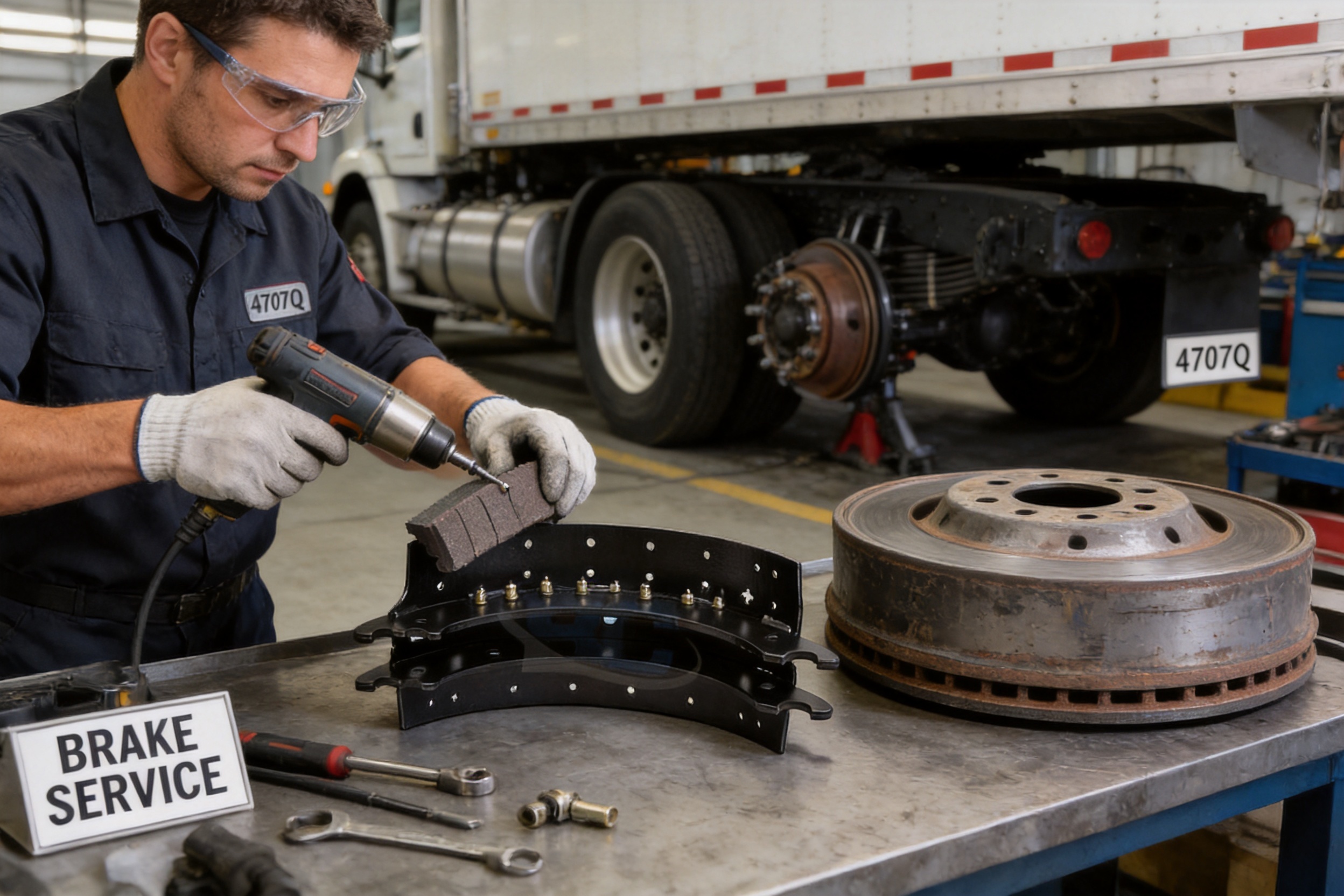
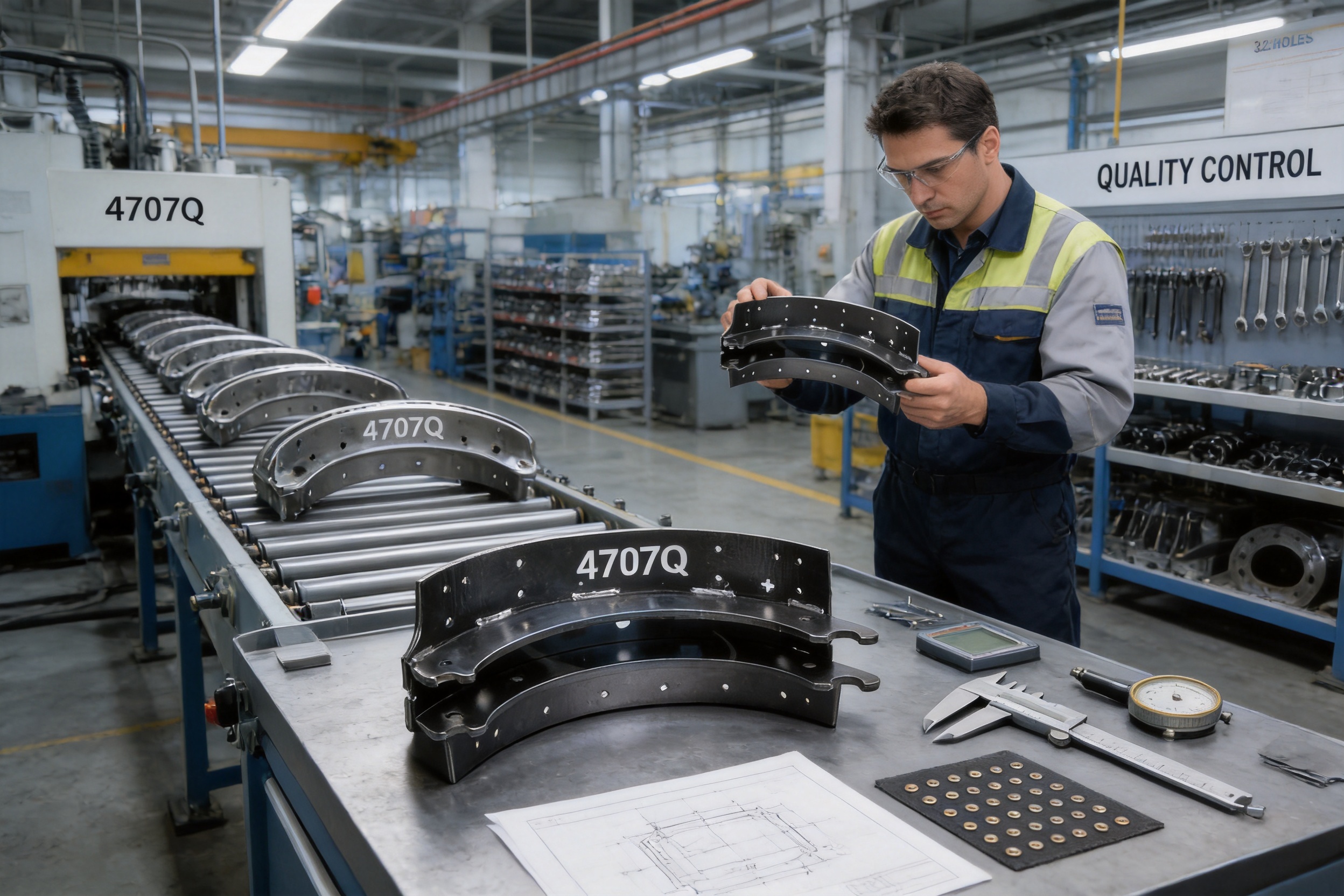
The 4707Q brake shoe is a heavy-duty steel brake shoe developed for commercial vehicle braking systems that require dependable fitment, structural stability, and consistent compatibility with established original-equipment references. Identified by part number 4707Q and OE references 15224724 and 3222 D 2006, this brake shoe is designed for Rockwell/Meritor applications or customized requirements. Its 16.5-inch by 7-inch listed size and 32 rivet holes make it suitable for brake assemblies that use a high-capacity, multi-rivet shoe and lining arrangement.
For fleets, distributors, repair specialists, and original-equipment buyers, the brake shoe is more than a simple curved metal component. It is a load-bearing foundation for the friction lining. It must support the lining during repeated braking cycles, maintain its shape under mechanical stress, provide accurate installation points, and remain compatible with the complete drum brake assembly. A brake shoe that does not meet these requirements can cause fitting problems, uneven lining contact, accelerated wear, noise, or reduced braking consistency.
The 4707Q model addresses these requirements through a practical combination of steel-shoe construction, a defined rivet-hole pattern, recognized OE cross-references, and availability for standard or customized Rockwell/Meritor-related applications. Manufactured by Zhejiang Bangchi Auto Parts Co., Ltd., the product is positioned for the heavy-duty brake parts market, where buyers need repeatable product identification, flexible OEM support, and dependable supply for commercial vehicle maintenance.
This article examines the product’s design role, application value, identification details, purchasing advantages, quality considerations, and the manufacturing strengths that support its use in demanding truck and trailer brake systems.
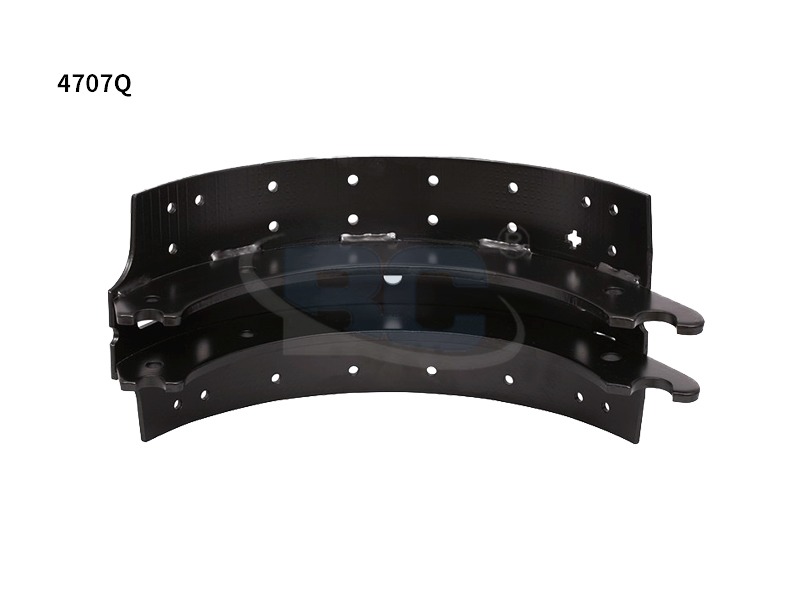
4707Q Brake Shoe
Product Overview
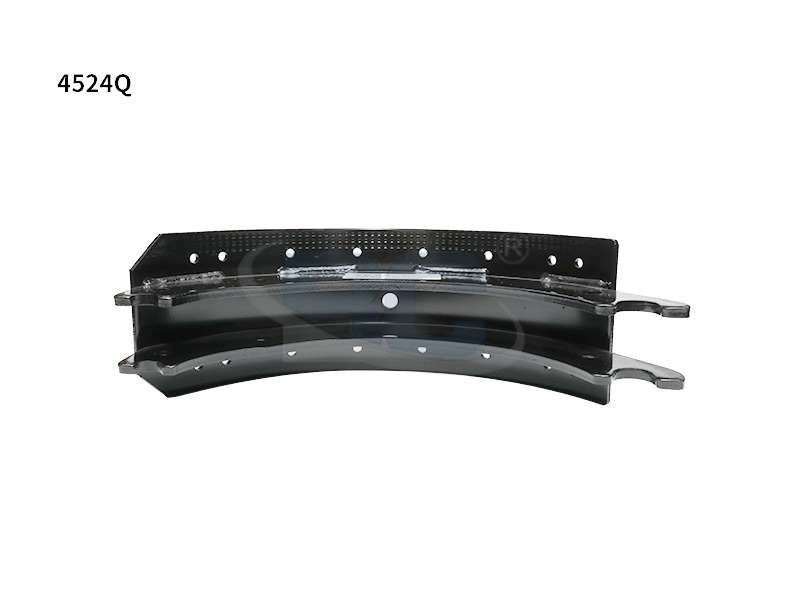
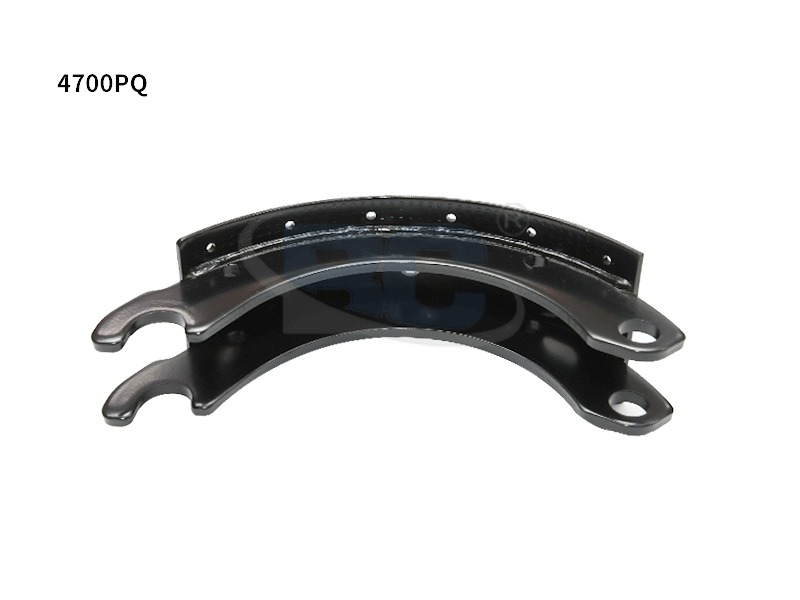
The 4707Q brake shoe is categorized as a steel brake shoe. In a drum brake system, the shoe is the rigid curved element that carries the brake lining and transfers braking force toward the inner surface of the brake drum. When the brake actuator expands the shoes, the lining contacts the drum. Friction between the lining and drum converts vehicle motion into heat and slows the vehicle.
Because the brake shoe is located between the actuator mechanism and the friction material, its dimensional accuracy is essential. The shoe must sit correctly inside the drum, align with the anchor and operating hardware, and provide a stable foundation for the lining. The 4707Q product is therefore specified not only by its part number but also by its size, hole count, OE references, and application family.
The product information identifies the following primary specifications:
| Item | Specification |
|---|---|
| Part number | 4707Q |
| Product category | Steel brake shoe |
| Listed product size | 16.5 inches by 7 inches, as provided in the product data |
| Number of rivet holes | 32 |
| OE reference | 15224724 |
| Additional OE reference | 3222 D 2006 |
| Application | Rockwell/Meritor or customized |
| Product form | Steel shoe suitable for lining installation or lined-shoe production |
The listed size should be checked against the buyer’s technical documentation before ordering, especially because the source specification uses the expression “16.5*7 mm.” In heavy-duty brake applications, dimensions are commonly expressed through a combination of inches and metric measurements, and the final confirmation should be based on the customer’s drawing, sample, assembly number, or vehicle application. This verification step helps prevent confusion between nominal shoe dimensions, lining dimensions, and drum dimensions.
Why the 4707Q Brake Shoe Matters in Heavy-Duty Braking
Commercial vehicles operate under braking conditions that are generally more demanding than those experienced by passenger cars. Trucks, trailers, buses, and other heavy vehicles carry greater loads, travel long distances, and may encounter repeated downhill braking, stop-and-go traffic, uneven road surfaces, and high ambient temperatures. In these circumstances, the brake shoe must remain mechanically stable while the friction lining absorbs and releases substantial heat.
A steel brake shoe serves several important functions. First, it provides the structural support required to hold the lining in the correct position. Second, it transmits the movement created by the brake actuator. Third, it helps distribute contact pressure along the lining and drum. Fourth, it maintains the geometry of the brake assembly as the system experiences repeated cycles of expansion, contact, release, and cooling.
The 4707Q’s 32 rivet holes are especially important for buyers who use riveted brake lining. A multi-hole configuration allows the lining to be secured at numerous points along the shoe. When the hole layout corresponds correctly with the lining and riveting equipment, the result is a more organized attachment pattern and a reduced risk of unsupported areas. Correct rivet selection, riveting force, lining preparation, and installation technique remain essential, but the shoe’s hole pattern provides the necessary foundation for these operations.
The use of recognized OE references also helps connect the product to established replacement requirements. Part numbers such as 15224724 and 3222 D 2006 assist purchasing teams, warehouse operators, service technicians, and distributors in cross-referencing the brake shoe with existing inventories and maintenance records. A clear identification system can reduce ordering mistakes and simplify the selection of matching linings, drums, hardware, and related brake components.
Core Advantages of the 4707Q Model
Application-focused design
The 4707Q is not presented as a universal brake shoe for every drum brake system. It is associated with Rockwell/Meritor applications or customized requirements. This application-focused positioning is an advantage because heavy-duty brake components must be selected according to exact mechanical relationships rather than general appearance alone.
A shoe that looks similar to another model may have different overall dimensions, offset, curvature, anchor shape, cam position, hole spacing, or lining attachment requirements. By identifying the 4707Q through its part number and OE references, buyers can begin with a more precise product selection process. This helps reduce the risk of substituting a visually similar but mechanically unsuitable component.
High-capacity rivet-hole arrangement
The 32-hole configuration gives the product a clearly defined lining attachment layout. For customers using riveted linings, this feature supports a structured installation process. A consistent hole pattern can simplify lining preparation, drilling or punching operations, riveting, and quality inspection.
In addition, a clearly specified hole count is valuable during incoming inspection. Buyers can verify whether the delivered product corresponds to the order before it enters production or repair operations. The hole count can be checked together with the shoe profile, dimensions, OE number, and surface condition, creating a practical identification procedure for warehouse and workshop personnel.
Steel construction for structural support
As a steel brake shoe, the 4707Q is intended to provide the rigidity required by a heavy-duty drum brake assembly. Steel offers the mechanical strength and formability needed for a curved shoe that must support the lining and transfer actuator force. The material is also suitable for industrial forming and repeatable production processes.
Structural performance depends on more than material selection. The shoe’s shape, thickness, formed curvature, hole quality, weld or joint integrity where applicable, and dimensional consistency all influence its service behavior. A capable manufacturer must therefore control the complete production process rather than focusing on raw material alone.
OE cross-reference convenience
The references 15224724 and 3222 D 2006 provide useful purchasing and service information. Many commercial vehicle operators maintain mixed fleets or purchase through independent distribution channels. In these situations, buyers often need to compare a supplier part number with an OE reference, an existing warehouse label, or a workshop record.
Providing multiple identification references makes the 4707Q easier to locate in purchasing systems. It can also help distributors create catalog entries that connect the product to the applications their customers already know. The references should still be validated against the specific vehicle, axle, drum, and brake assembly, because cross-reference data should support—not replace—technical confirmation.
Suitability for customized requirements
The stated application includes customized requirements. This is an important advantage for OEM customers, regional distributors, and brake repair businesses that need more than a standard catalog item. Customization may involve a customer-specific drawing, a special lining arrangement, a different marking requirement, packaging instructions, or an agreed production specification.
Customization is most effective when it is managed through controlled technical communication. Buyers should provide drawings, samples, dimensional requirements, hole locations, lining specifications, expected quantities, and inspection criteria. The manufacturer can then evaluate whether the requested version can be produced consistently and whether additional confirmation is required before production.
Manufacturing Strengths Behind the Product
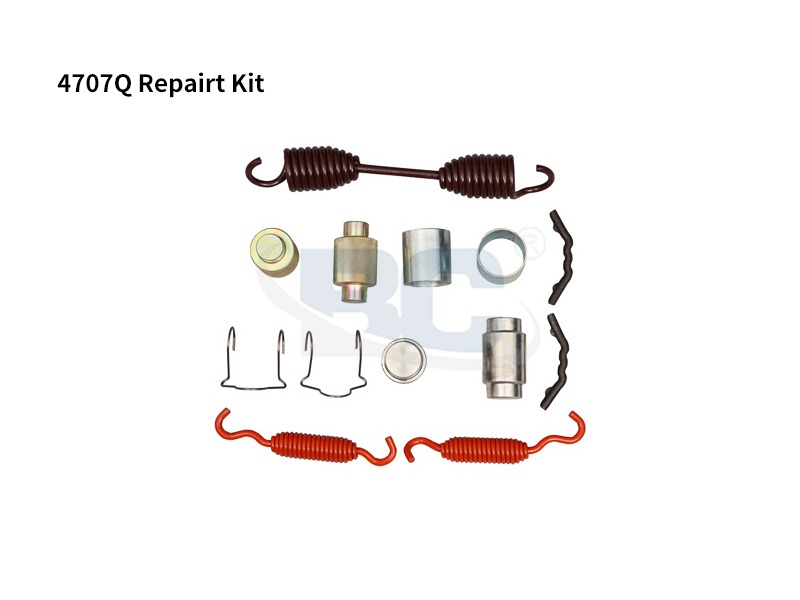
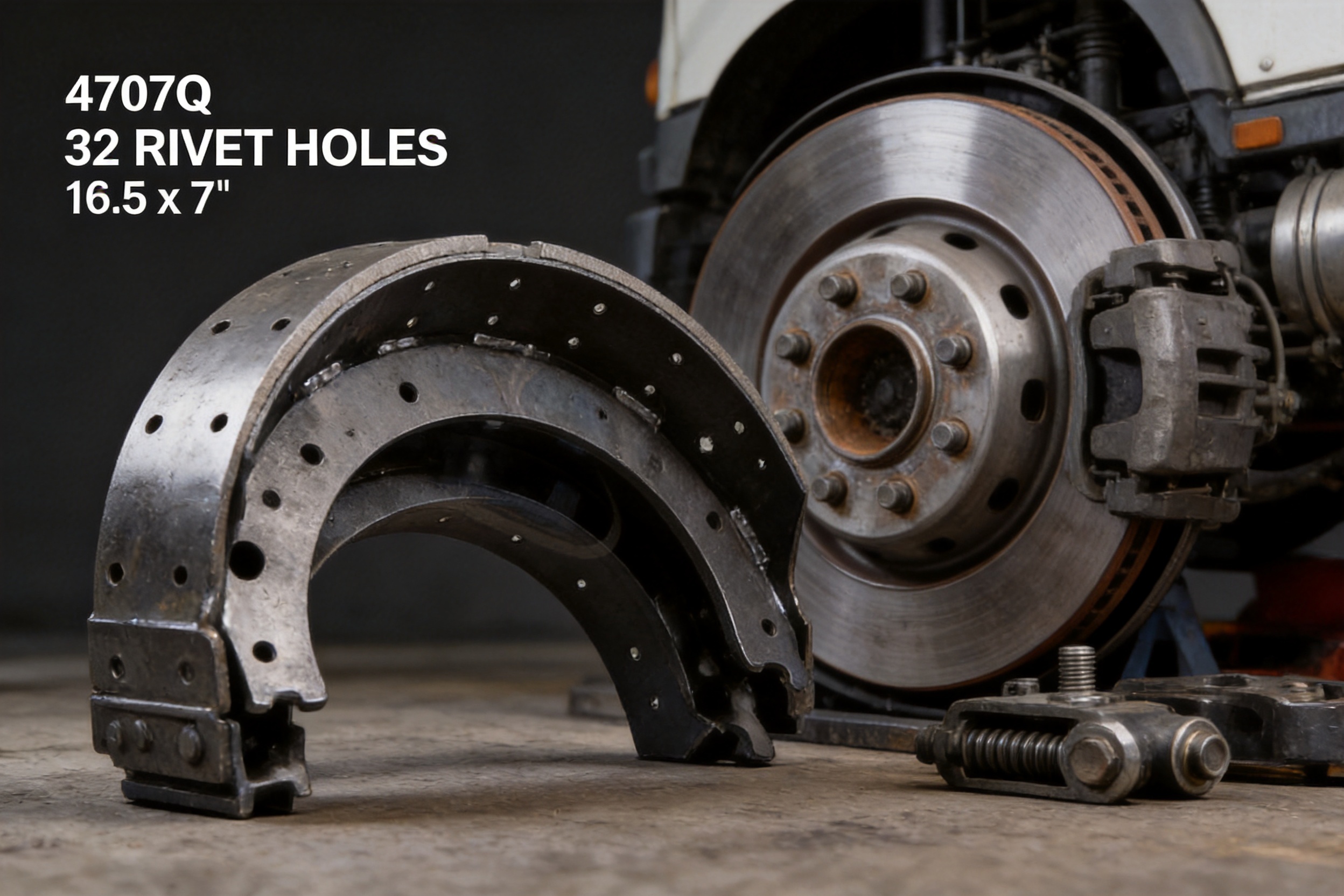
Zhejiang Bangchi Auto Parts Co., Ltd. operates in the heavy-duty brake parts field and supplies steel brake shoes, cast brake shoes, brake linings, lined brake shoes, brake shoe repair kits, and lined brake shoe kits. This product range gives the company experience across several related parts of the drum brake supply chain.
A supplier that works with both steel shoes and lining-related products can better understand the relationship between the structural shoe and the friction material. The shoe’s curvature, hole arrangement, and dimensions must work with the lining’s shape and attachment method. This broader product knowledge can be useful when customers require a complete lined shoe, a repair kit, or a customized combination rather than a bare steel component.
Production oriented toward repeatability
Heavy-duty brake components are commonly purchased in repeat quantities. A fleet, distributor, or repair network needs the same part to remain consistent from one batch to the next. Repeatability supports inventory planning, reduces workshop adjustments, and helps customers maintain consistent brake service practices.
For the 4707Q, repeatability should include the overall shoe profile, the 32-hole pattern, the relationship between the holes and the shoe edges, the curvature, the relevant mounting features, and the identification marking. A manufacturing system focused on repeatability can use documented specifications and inspection procedures to compare production results against approved requirements.
Integration of standard and customized production
The company’s stated ability to supply products for Rockwell/Meritor or customized applications indicates a production approach that can serve both reference-based orders and customer-defined projects. Standard reference production supports efficient replacement-part purchasing, while customized production allows the manufacturer to respond to special market requirements.
For international customers, this flexibility can reduce the need to coordinate with multiple suppliers. A buyer may source a standard 4707Q steel shoe for regular inventory and discuss a modified or lined version for a particular fleet or regional application. The exact scope of customization should be agreed in writing, but the combination of standard product knowledge and custom support is a meaningful supplier advantage.
Attention to product identification
Clear product identification is a critical part of manufacturing and distribution. Part number 4707Q, OE references 15224724 and 3222 D 2006, product category, and application information should remain connected throughout production, inspection, packaging, and shipment.
Good identification practices help prevent mixing between visually similar brake shoes. They also support traceability within a buyer’s inventory system. When a distributor receives several brake shoe models, each with different profiles and hole patterns, accurate labels and documentation can save time and reduce the possibility of incorrect delivery to a repair customer.
Support for the global FMSI numbering environment
The company’s stated business positioning emphasizes OEM brake parts following the global FMSI numbering system. A numbering-based approach is valuable in the heavy-duty friction market because it provides a common reference framework for brake components and helps buyers organize catalogs and replacement programs.
Numbering systems are most useful when they are supported by accurate technical information. The 4707Q listing includes a part number, OE references, size information, hole count, and application statement. Together, these details create a stronger identification profile than a product name alone.
Quality Considerations for the Steel Shoe
When evaluating a brake shoe, customers should consider dimensional accuracy, material condition, hole quality, formed geometry, surface condition, and compatibility with the intended lining. The following areas are particularly relevant to the 4707Q.
Dimensional control
The shoe must match the intended brake assembly. Important dimensions may include overall length and width, shoe arc, thickness, offset, mounting-hole locations, cam or actuator contact areas, and the position of lining rivet holes. The 4707Q’s listed 16.5-inch by 7-inch size provides an initial reference, but the purchaser should confirm all critical dimensions using the applicable drawing or assembly data.
Dimensional control is also important for replacement service. If the shoe is too large, too small, incorrectly curved, or inaccurately positioned, it may not seat correctly in the brake drum. Even when installation is possible, poor geometry can produce uneven lining contact and irregular wear.
Rivet-hole accuracy
Having 32 holes is only part of the requirement. The holes must also be positioned accurately and formed cleanly. Hole diameter, spacing, edge distance, and alignment influence how the lining fits and how the rivets are installed. Burrs or deformation around the holes can interfere with the lining or affect the quality of the riveted joint.
During inspection, buyers may compare the hole count and pattern with an approved sample or drawing. They may also examine whether the holes are free from excessive burrs, cracking, distortion, or blocked passages. These checks are especially valuable when the shoe is supplied for in-house lining installation.
Curvature and lining contact
The shoe’s curved profile must correspond with the brake drum and lining. Correct curvature allows the lining to achieve an appropriate contact relationship after installation and bedding. A mismatch can lead to contact concentrated in limited areas, which may increase local wear and reduce braking consistency.
Curvature should be evaluated as part of the complete assembly rather than in isolation. The final result depends on the shoe, lining, rivets, drum condition, actuator mechanism, and adjustment system. Nevertheless, a correctly formed shoe is a necessary starting point for a reliable brake rebuild.
Surface and edge condition
Edges, mounting areas, and formed surfaces should be free from conditions that could interfere with assembly or create stress concentrations. The finished shoe should be handled and packaged in a way that protects it from unnecessary deformation, impact damage, and contamination before installation.
Customers may establish their own acceptance criteria for surface appearance, corrosion protection, marking, and packaging. These criteria should be communicated before production when they are important to the purchasing program.
Advantages for Distributors and Fleet Maintenance Programs
For distributors, the 4707Q offers a clear catalog identity. The combination of part number, OE references, size, hole count, and application allows sales teams to answer customer inquiries with specific information. It also helps warehouse managers separate the product from other steel shoes and related brake components.
For fleet maintenance departments, a defined replacement part can simplify preventive maintenance planning. When the same brake shoe is used across compatible vehicles or axle configurations, technicians can develop standardized inspection and installation procedures. Stocking the correct shoe can also reduce downtime caused by emergency sourcing.
For repair shops, the 32-hole design communicates that the product is intended for a defined lining attachment configuration. The shop can compare it with the old shoe, confirm the hole pattern, prepare the matching lining, and organize the riveting operation before beginning assembly.
For OEM and private-label buyers, the customized application capability can support a more controlled product program. A buyer may request specific packaging, labels, documentation, or technical modifications, subject to manufacturer review and agreement. This can help the customer develop a consistent product offering under its own distribution strategy.
Installation and Service Planning
The brake shoe should be installed only by qualified personnel who understand heavy-duty drum brake systems. Before installation, the technician should confirm that the replacement matches the vehicle, axle, brake assembly, drum, lining, and hardware. The OE references and part number are useful for selection, but the complete assembly remains the final basis for compatibility.
The old brake shoe and related components should be inspected before removal or during teardown. Unusual wear patterns, cracks, heat damage, contamination, loose rivets, damaged anchors, or actuator problems may indicate that replacing the shoe alone will not resolve the underlying issue. A complete brake inspection helps ensure that the new component is installed into a suitable system.
When the 4707Q is used as a bare steel shoe, the selected lining must match the shoe’s dimensions and hole pattern. Rivets should be appropriate for the lining and application, and installation should follow the lining and riveting equipment supplier’s procedures. Rivets should be properly seated without crushing, cracking, or leaving looseness between the lining and shoe.
After assembly, the technician should verify that the shoe moves correctly, the lining is positioned properly, the drum is suitable for service, and the adjustment mechanism operates as intended. The brake should be tested in accordance with the vehicle manufacturer’s service procedure and applicable workshop requirements.
Correct bedding or burnishing may be necessary depending on the lining material and service instructions. Brake performance should be monitored after installation, and any abnormal noise, pulling, overheating, or uneven wear should be investigated promptly.
How the 4707Q Compares with Generic Alternatives
Generic brake shoes may be offered at a lower initial price, but price alone does not establish suitability. A generic product can create additional costs if its dimensions are unclear, its hole pattern differs from the required lining, or its application information is incomplete. The 4707Q provides a more defined purchasing profile through its part number, OE references, 32-hole specification, and Rockwell/Meritor application statement.
Another advantage is the availability of customized support. Some suppliers focus only on a fixed catalog range and may not be equipped to discuss customer drawings or special requirements. A manufacturer that supplies both standard and customized products can be more responsive when a buyer needs a specific version or wishes to coordinate a broader brake component program.
The 4707Q should not be selected simply because it resembles another 16.5-inch shoe. Its value lies in the complete identification package and the manufacturer’s ability to connect product specifications with application requirements. This more disciplined approach can reduce the risk of incorrect substitutions and improve purchasing confidence.
Competitor comparisons should always be made on equivalent technical terms. Buyers should compare the same dimensions, hole pattern, material requirements, application, inspection expectations, packaging, and supply conditions. A product with a lower quoted price may not provide the same identification clarity, customization support, or consistency.
Purchasing Checklist
Before ordering the 4707Q, the buyer should confirm the required part number and compare it with the existing brake assembly. The OE references 15224724 and 3222 D 2006 should be included in the purchasing record where applicable. This creates a clear link between the requested replacement and the customer’s maintenance or catalog system.
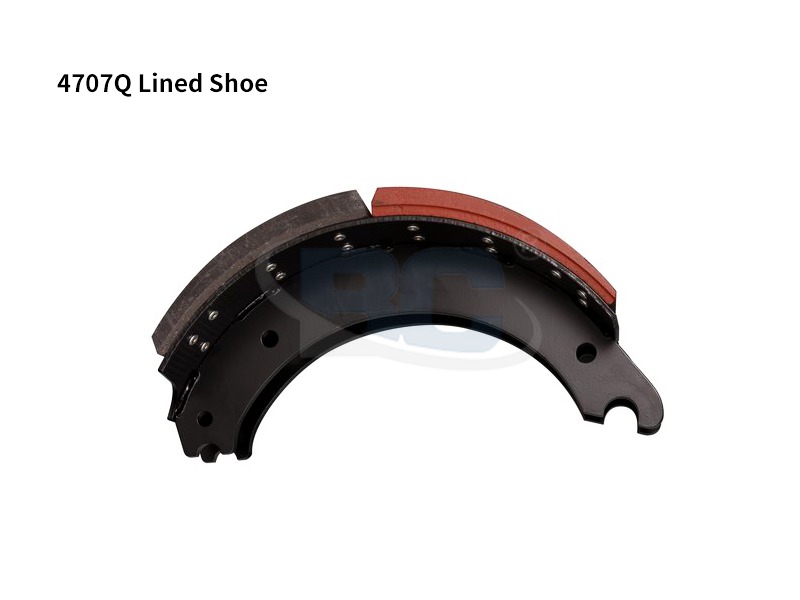
The buyer should confirm whether a bare steel shoe, a lined brake shoe, or a complete lined brake shoe kit is required. The company supplies several brake-related product categories, but the specific order should state the desired product form. This prevents a mismatch between a customer expecting a ready-to-install lined shoe and a shipment containing only the steel foundation.
The stated size should be clarified before production or shipment. Because the source data expresses the size as 16.5 inches by 7 inches with a metric notation, the buyer should request confirmation of the intended measurement units and any related dimensions. A drawing, approved sample, or assembly reference can provide the most reliable basis for confirmation.
The 32 rivet holes should be confirmed as part of the technical specification. If a custom lining or alternative attachment method is required, the buyer should provide the exact hole layout and lining details. Any differences from the standard product should be approved before production.
Finally, the buyer should discuss quantity, packaging, labeling, delivery schedule, inspection documents, and any private-label requirements. Clear communication at the beginning of the order helps the manufacturer produce the correct version and helps the customer receive a product that fits its distribution process.
Company Capability and Customer Support
Zhejiang Bangchi Auto Parts Co., Ltd. is located in Haining, Zhejiang, China, and operates as a supplier of heavy-duty brake parts. Its product categories include steel brake shoes, cast brake shoes, brake linings, lined brake shoes, brake shoe repair kits, and lined brake shoe kits.
This product scope gives customers access to related components through one specialized source. A buyer seeking the 4707Q steel shoe may also require lining products or repair kits for other applications. A supplier with a broad heavy-duty brake portfolio can make it easier to coordinate product inquiries, technical discussions, and repeat purchasing.
The company provides OEM-oriented support and states that its brake parts follow the global FMSI numbering system. For international customers, this orientation can be useful when building product catalogs, comparing replacement references, and supporting distributors in different markets.
Customers can contact the company to confirm product specifications, customized requirements, quotation details, and availability. Technical communication should include the 4707Q part number, OE reference, required product form, quantity, application information, and any drawing or sample that defines the requested version.
Frequently Asked Questions
What is the 4707Q brake shoe?
The 4707Q is a steel brake shoe for heavy-duty drum brake applications. It is associated with Rockwell/Meritor systems or customized requirements and is identified by OE references 15224724 and 3222 D 2006.
How many rivet holes does the 4707Q have?
The product specification lists 32 rivet holes. Buyers should confirm the hole pattern, diameter, and spacing against the required lining or approved technical drawing before installation.
What size is the 4707Q brake shoe?
The provided product information lists the size as 16.5 inches by 7 inches. Because the source also includes a metric unit notation, customers should confirm the exact measurement units and all critical dimensions before ordering.
Can the 4707Q be supplied with lining?
The listed product is a steel brake shoe, while the company also supplies lined brake shoes and lined brake shoe kits. Customers should specify whether they need the bare steel shoe, a lined version, or a complete kit.
Is the 4707Q suitable for every Rockwell/Meritor brake assembly?
No. The product is associated with Rockwell/Meritor or customized applications, but the exact brake assembly must still be verified. Part number, OE reference, dimensions, hole pattern, drum size, lining, and hardware should all be checked.
What are the main benefits of using the 4707Q instead of an unidentified generic shoe?
The 4707Q has a defined part number, two stated OE references, a specified 32-hole configuration, a listed size, and an identified application family. These details make it easier to select, inspect, catalog, and reorder than a component supplied only by general appearance.
Can the manufacturer handle customized requirements?
The product information states that the application can be Rockwell/Meritor or customized. Customers should provide drawings, samples, dimensional requirements, lining details, quantity, and packaging or labeling expectations so the requested version can be reviewed accurately.
What should be checked before installation?
The technician should confirm part identity, dimensions, hole pattern, lining compatibility, drum condition, mounting hardware, actuator operation, and adjustment requirements. Installation and testing should be performed by qualified personnel according to applicable service procedures.
Who may benefit from this product?
Heavy-truck and trailer fleets, brake repair shops, commercial vehicle distributors, OEM buyers, private-label customers, and maintenance organizations may benefit from the product when it matches their required application.
How should buyers request a quotation?
A quotation request should include the 4707Q part number, OE reference, desired product form, quantity, application, technical drawing or sample if available, packaging requirements, and delivery destination. This information allows the supplier to respond more precisely.
Conclusion
The 4707Q brake shoe is a clearly identified heavy-duty steel shoe designed for Rockwell/Meritor-related or customized applications. Its principal specifications include part number 4707Q, OE references 15224724 and 3222 D 2006, a listed 16.5-inch by 7-inch size, and 32 rivet holes. These details provide a practical foundation for purchasing, inspection, lining installation, and fleet maintenance planning.
Its advantages over less-defined alternatives include application-focused identification, a specified high-capacity rivet-hole arrangement, steel structural support, multiple cross-reference numbers, and the possibility of customized production. These features are especially valuable in commercial vehicle markets, where brake components must be selected accurately and supplied consistently.
The manufacturing strength behind the product is supported by the company’s broader heavy-duty brake portfolio, OEM orientation, FMSI numbering approach, and stated ability to serve both standard and customized requirements. By combining product specialization with clear technical communication, Zhejiang Bangchi Auto Parts Co., Ltd. can support distributors, repair businesses, fleets, and OEM customers seeking dependable brake shoe supply.
Before ordering, customers should verify the complete brake assembly, confirm the exact dimensions and units, select the correct product form, and communicate any lining, packaging, inspection, or customization requirements. When these steps are completed, the 4707Q can serve as a practical replacement foundation for demanding heavy-duty drum brake applications.
References
1. Product specification sheet for the 4707Q steel brake shoe, including part number, size, rivet-hole count, OE references, and application information.
2. Heavy-duty drum brake service principles covering brake shoe structure, lining attachment, drum contact, adjustment, and inspection.
3. Commercial vehicle replacement-parts cataloging practices based on OE references and FMSI numbering systems.
4. General technical guidance for riveted brake lining installation and brake shoe inspection.
5. Manufacturer product categories for steel brake shoes, cast brake shoes, brake linings, lined brake shoes, repair kits, and lined brake shoe kits.