 English
 简体中文
简体中文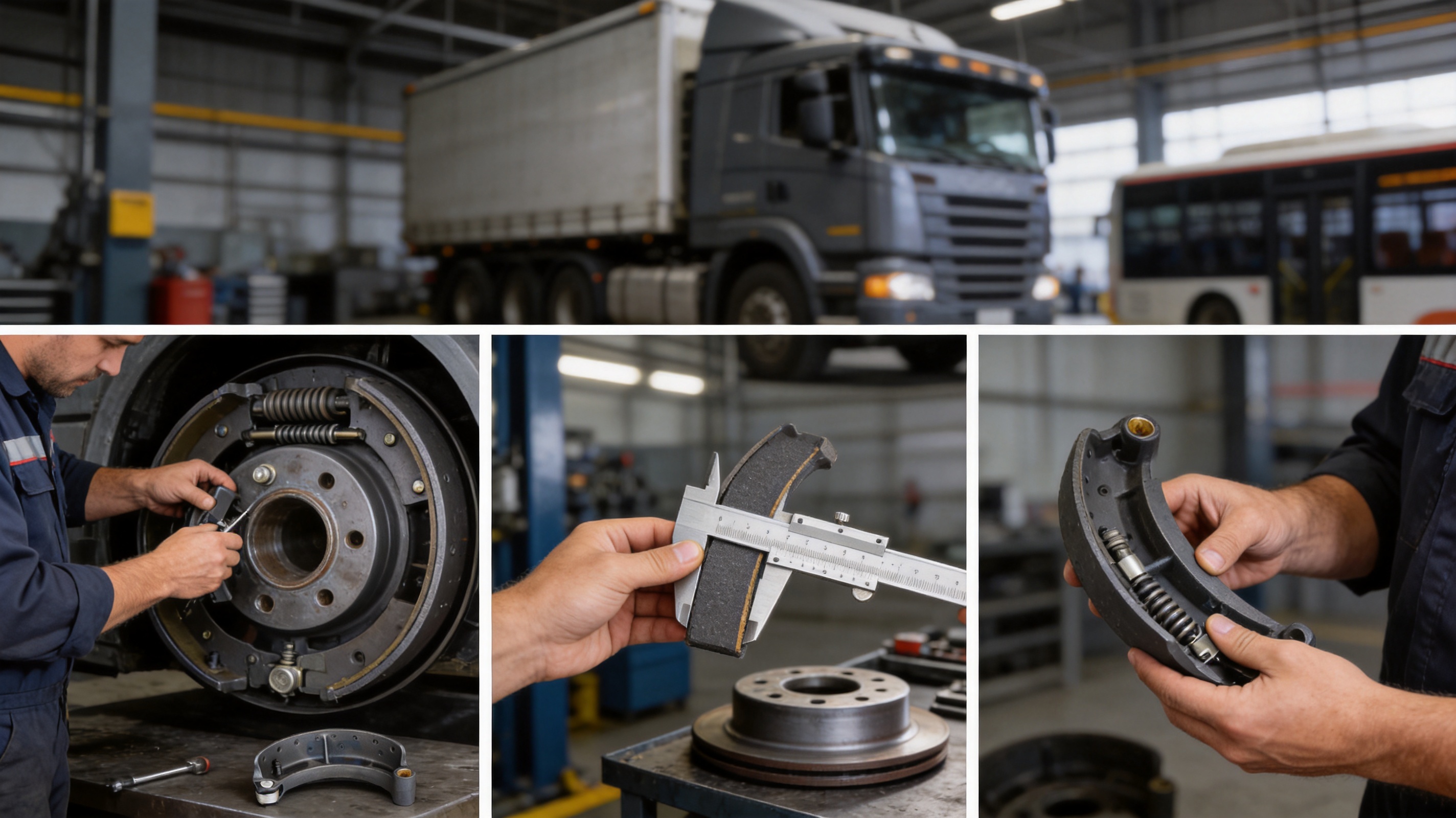
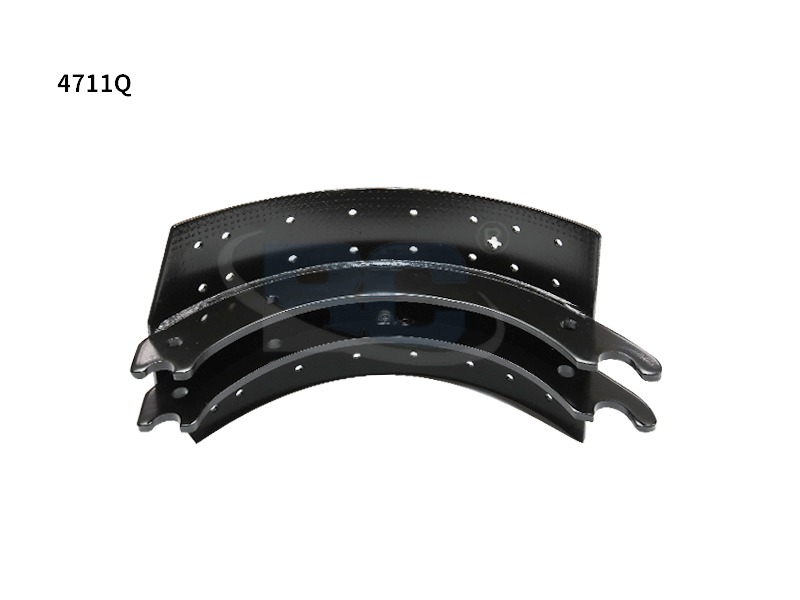
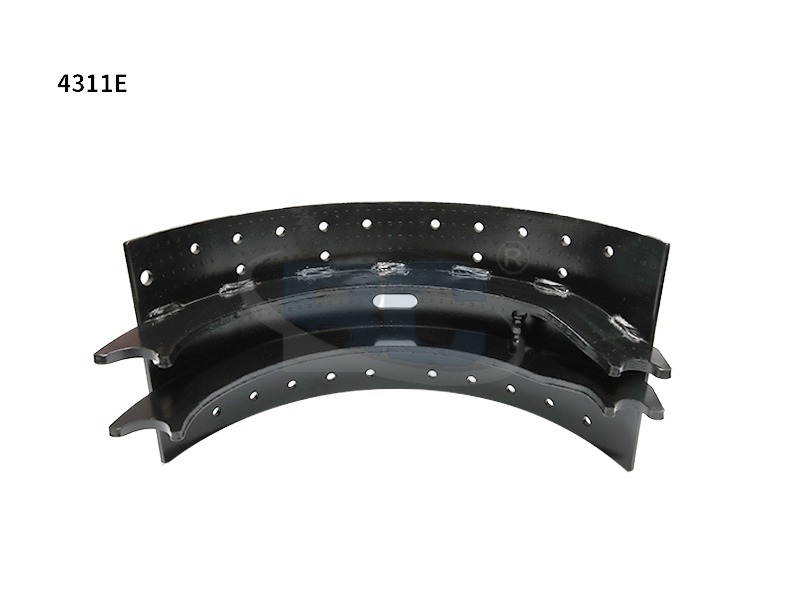
Heavy-duty braking systems operate under demanding conditions. Commercial vehicles, buses, trucks, trailers, and industrial transport equipment must repeatedly convert motion into heat while maintaining stable braking performance, predictable service intervals, and dependable mechanical strength. In these applications, the brake shoe is a critical component because it supports the friction lining, transfers braking force, and works directly with the brake drum.
The HINO OIL Casted Brake Shoe is designed for heavy-duty applications where dimensional accuracy, structural reliability, and compatibility with established brake systems are essential. It is included in a product range covering steel brake shoes, casted brake shoes, brake linings, lined brake shoes, brake shoe repair kits, and lined brake shoe kits. This range allows maintenance professionals and distributors to select either a complete brake shoe assembly or the individual components needed for repair and refurbishment.
Manufactured by Zhejiang Bangchi Auto Parts Co., Ltd., the product is intended for HINO oil brake applications and is available in several table widths and riveting-hole configurations. The listed sizes include 5 inches, 6 inches, 6.5 inches, 8 inches, and 8.5 inches. These options support different heavy-duty brake assemblies and help workshops match replacement parts to the original brake design.
This article examines the product’s construction, application value, dimensional options, production considerations, quality advantages, installation requirements, maintenance benefits, and selection criteria. It also explains why a properly manufactured cast brake shoe can offer practical advantages over poorly matched, weakly processed, or dimensionally inconsistent alternatives.
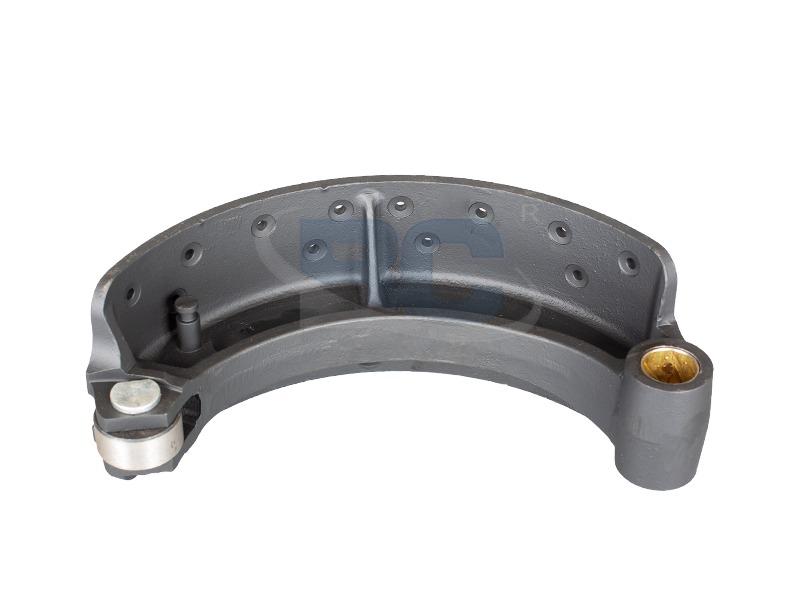
HINO OIL Casted Brake Shoe
Product Overview
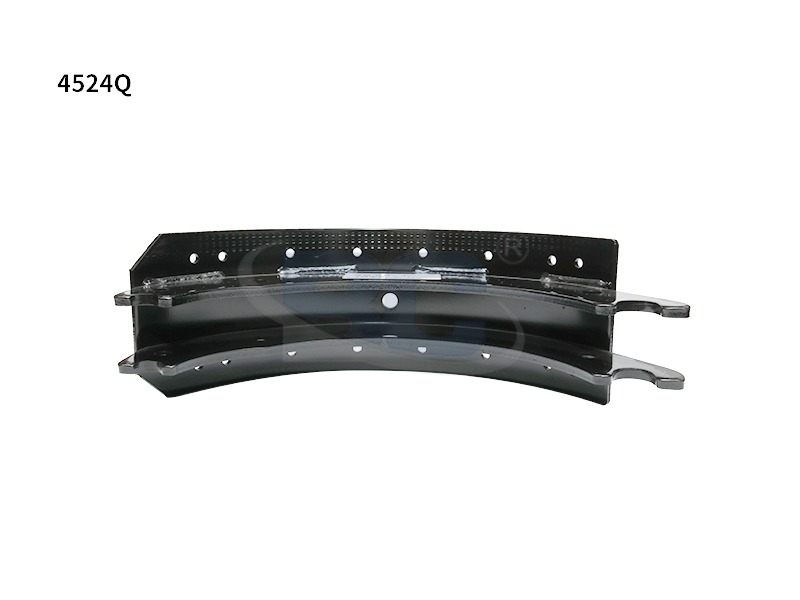
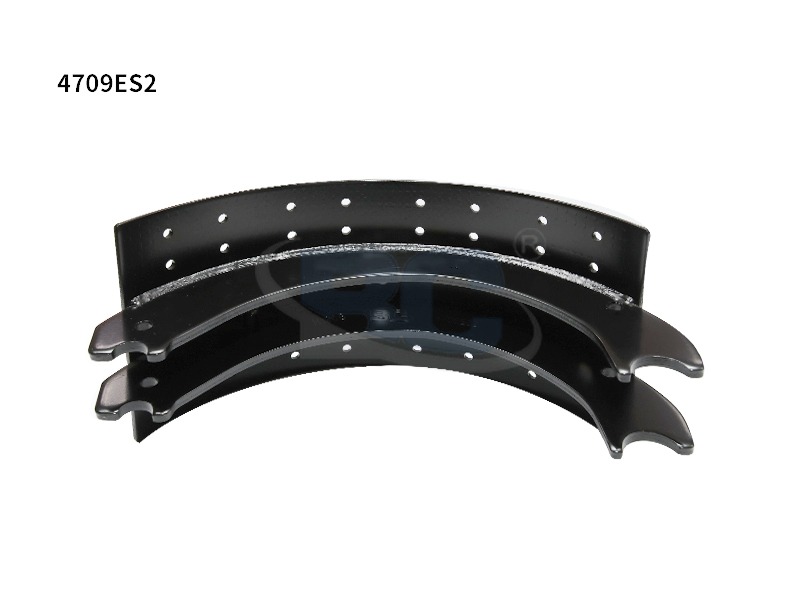
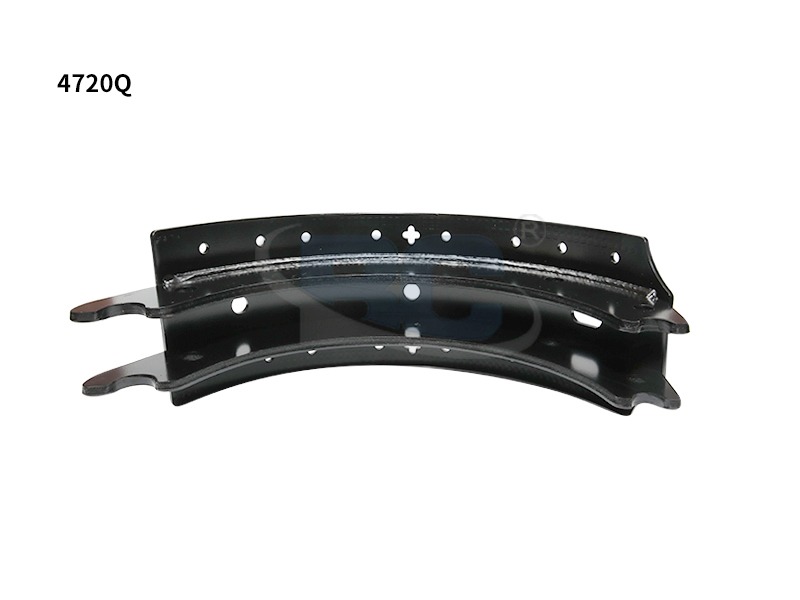
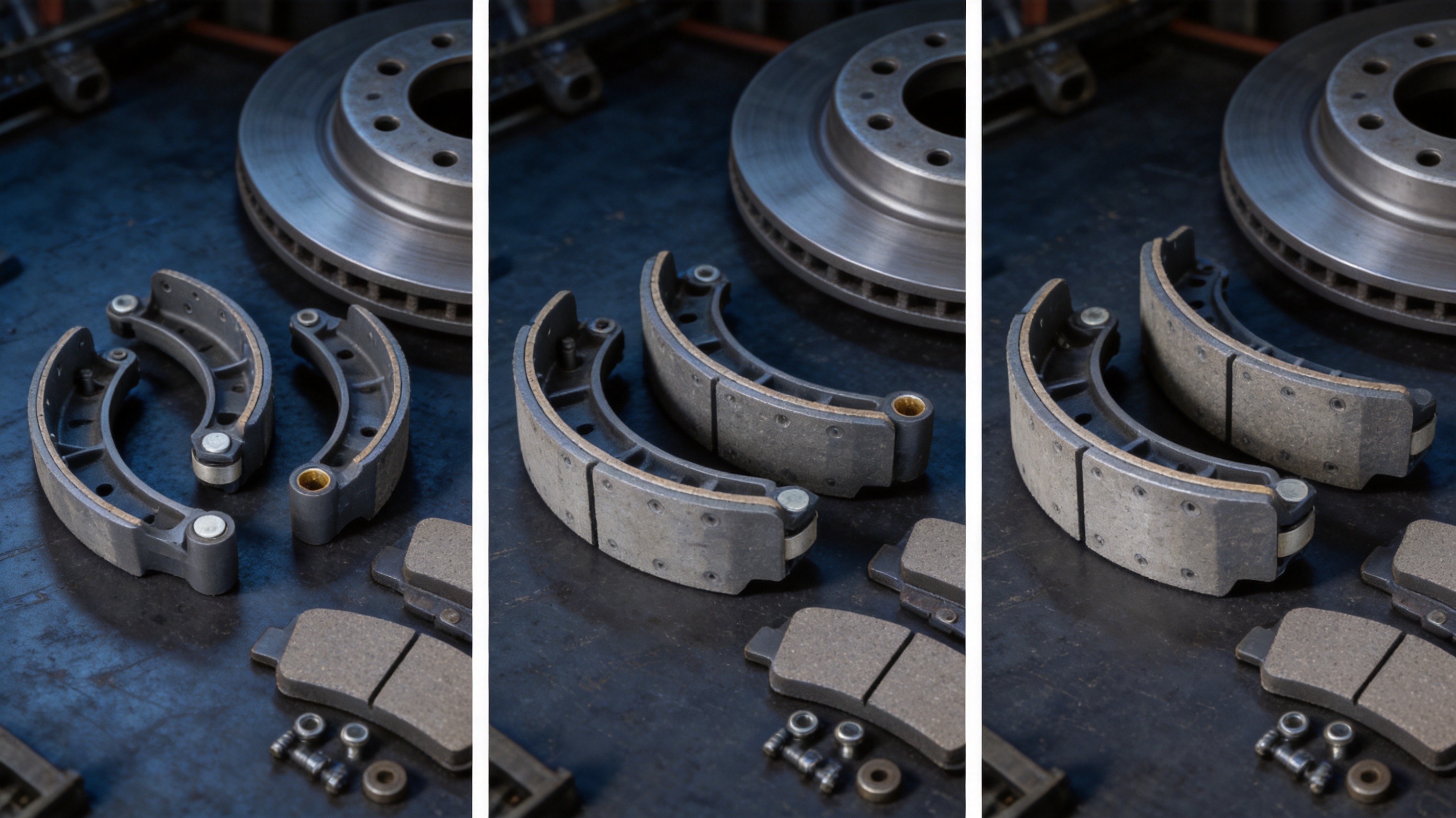
A brake shoe is the curved supporting structure installed inside a drum brake. When the braking system is activated, the shoe moves outward and presses its friction lining against the inner surface of the drum. The resulting friction slows or stops the vehicle. Although the friction lining receives much of the attention, the shoe itself must withstand repeated mechanical loading, thermal cycling, vibration, and contact pressure.
The HINO OIL Casted Brake Shoe is developed as a heavy-duty replacement component for HINO oil brake applications. Its cast construction is intended to provide a strong and stable foundation for the friction material. The shoe is supplied with specific widths and riveting-hole arrangements so that it can correspond with the relevant brake assembly.
The product data identifies several original equipment reference numbers and application details. The available table widths range from 5 inches to 8.5 inches, while the listed riveting-hole counts include 16 and 24. These details are not minor ordering information. They directly affect fitment, lining attachment, force distribution, and the ability of a repair shop to complete an installation without unnecessary modification.
| Product Category | Casted Brake Shoe |
| Product Name | HINO OIL Casted Brake Shoe |
| Application | HINO oil brake systems |
| Available Table Widths | 5 inches, 6 inches, 6.5 inches, 8 inches, and 8.5 inches |
| Riveting-Hole Options | 16 holes and 24 holes |
| Related Product Categories | Steel brake shoes, brake linings, lined brake shoes, brake shoe repair kits, and lined brake shoe kits |
Because brake shoes are safety-related components, the correct part should always be selected according to the original assembly, measured dimensions, vehicle specifications, and service requirements. A visually similar shoe may not be a suitable replacement if its width, curvature, hole pattern, or mounting geometry differs from the required specification.
Why Cast Construction Matters in Heavy-Duty Braking
Cast construction is widely used for components that require a robust form, consistent mass, and resistance to repeated mechanical stress. In a drum-brake assembly, the shoe must maintain its shape while the friction lining is pressed against the drum. Any excessive distortion can reduce contact quality, create uneven wear, increase noise, or cause irregular braking behavior.
A properly produced cast brake shoe provides a stable platform for the lining and helps distribute braking forces over the shoe body. This is particularly important for heavy commercial vehicles, which carry greater loads and often operate in traffic, on gradients, or in environments requiring frequent braking.
One advantage of a cast structure is that the component can be formed into a controlled curved profile suitable for the drum. The final geometry must be carefully managed because the shoe’s arc, width, edge profile, and mounting points all influence how it works inside the brake assembly. A well-controlled production process can reduce the risk of inconsistent shape between batches.
Cast brake shoes also offer a practical balance between structural strength and manufacturing efficiency. When the process is properly controlled, the manufacturer can produce repeatable components in multiple sizes and configurations. This supports a broader replacement range while preserving the key characteristics required for heavy-duty service.
However, the benefits of casting depend on process discipline. Casting alone does not guarantee a high-quality component. The raw material, mold condition, pouring control, cooling behavior, machining accuracy, surface preparation, and inspection procedures must all be managed. The strength of the finished brake shoe is therefore determined by the complete manufacturing system rather than by the word “cast” on a product label.
Application-Specific Design for HINO Oil Brake Systems
The product is identified for HINO oil applications, which means that application matching is central to its value. Brake systems may look similar across different vehicles while still using different shoe dimensions, hole patterns, offsets, or lining arrangements. A replacement part designed for a specific application helps reduce the risk associated with generic substitution.
The listed product options include a 5-inch table width with 16 riveting holes and several wider versions with 24 riveting holes. Wider shoes and different hole counts may correspond to different brake assembly designs, load requirements, or friction-lining configurations. Selecting the correct configuration supports proper lining installation and helps maintain the intended contact area.
| Listed Reference | Table Width | Riveting Holes | Application |
| 474311320 | 5 inches | 16 | HINO oil |
| 474311430 | 6 inches | 24 | HINO oil |
| 474311480 | 6.5 inches | 24 | HINO oil |
| 474311330 | 8 inches | 24 | HINO oil |
| 474312260 | 8.5 inches | 24 | HINO oil |
The first listed entry is associated with the product reference HINO OIL and the original equipment number 474311320 in the supplied product information. The remaining listed references identify additional size configurations. Buyers should verify the complete reference, brake assembly, and dimensions before placing an order, particularly where catalog systems use separate part-number and original-equipment-number fields.
For fleet operators, application-specific availability can simplify inventory management. Instead of searching for an unverified universal component, a maintenance department can select from a defined range of widths and hole patterns. This may reduce fitting time, prevent incorrect orders, and improve the consistency of repairs across similar vehicles.
Key Product Advantages
Stable Structural Support
The brake shoe must support the lining while resisting the forces generated during braking. A sound cast body provides a firm foundation and helps preserve the intended relationship between the shoe, lining, and drum. This structural role is especially significant in heavy-duty service, where braking loads are considerably higher than those found in light passenger vehicles.
Multiple Dimensional Options
The product range covers five listed table widths. This provides greater flexibility for different HINO oil brake applications. A selection that includes narrow and wide shoes is more useful to distributors and professional workshops than a single-size product, because it allows them to serve more vehicle configurations from one product family.
Defined Riveting-Hole Patterns
Riveting holes must be positioned accurately so that the lining can be attached securely and evenly. The available 16-hole and 24-hole patterns support the corresponding lining and brake-shoe configurations. Correct hole placement helps maintain consistent rivet spacing and reduces the need for adjustment during assembly.
Compatibility with Repair Programs
The company’s broader range includes brake linings, lined brake shoes, brake shoe repair kits, and lined brake shoe kits. This supports several maintenance strategies. A workshop may replace only the worn lining, install a complete lined shoe, or use a repair kit for a controlled refurbishment process. Such flexibility can be valuable when fleet operators balance repair cost, downtime, and component availability.
Heavy-Duty Replacement Orientation
The product is positioned for heavy-duty brake-part applications rather than general light-duty use. This focus encourages attention to the practical requirements of commercial braking, including durability, dimensional consistency, serviceability, and application matching.
Support for Original-Style Replacement
Using original equipment reference information helps buyers compare the replacement shoe with the existing brake assembly. Although every part must still be verified before installation, reference-based selection is generally more dependable than choosing solely by appearance or nominal width.
Manufacturing Process and Quality Control
The manufacturing process for a cast brake shoe should be treated as a sequence of controlled stages. Each stage contributes to the final performance of the component. Zhejiang Bangchi Auto Parts Co., Ltd. operates as a specialized heavy-duty brake-parts manufacturer, and its product range indicates an organized focus on brake shoes, linings, and related repair products.
Material Preparation
Production begins with material preparation. The material must be suitable for a component that will experience mechanical stress, vibration, heat transfer, and repeated loading. Consistent material preparation supports predictable casting behavior and helps minimize variation between production batches.
Material control also involves proper storage and handling. Contamination, moisture, incorrect material identification, or inconsistent preparation can affect the quality of the casting. A disciplined production system therefore identifies incoming materials, keeps them protected, and maintains traceability through the manufacturing stages.
Mold and Pattern Management
The mold or pattern determines the basic shape of the brake shoe. It must reproduce the required arc, width, edges, mounting features, and other design details. For a brake shoe, the curved form is particularly important because it must work within the matching brake drum assembly.
Regular mold inspection can help identify wear, distortion, or damage before these conditions affect a production batch. Dimensional checks of the mold and sample castings help confirm that the shoe remains within the intended design range.
Controlled Casting
During casting, the prepared material is introduced into the mold under controlled conditions. Pouring behavior, temperature management, filling, and cooling all influence the final structure. A stable process helps reduce defects such as incomplete filling, unwanted porosity, distortion, or irregular surfaces.
Cooling is also significant. Uneven cooling may create internal stress or shape variation. A controlled cooling approach helps the component retain its intended geometry and prepares it for subsequent finishing operations.
Cleaning and Surface Preparation
After casting, excess material and surface irregularities are removed. Cleaning and finishing operations expose the working surfaces and prepare the shoe for machining, drilling, inspection, and lining installation. These operations should be performed carefully because excessive removal can affect dimensions while insufficient finishing can interfere with assembly.
Machining and Drilling
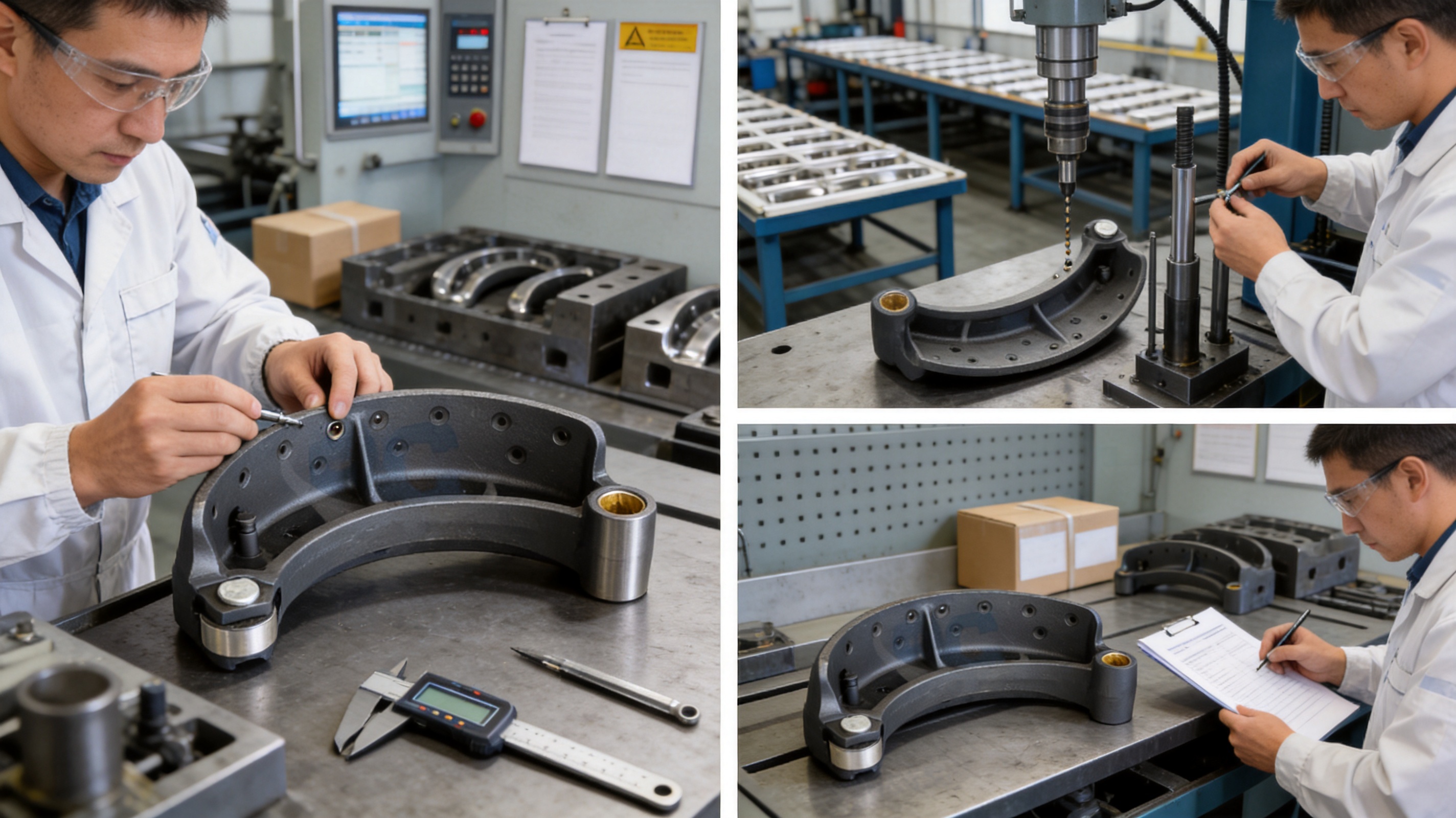
Machining creates or refines the surfaces and mounting points needed for final assembly. Riveting holes must be produced in the correct number, position, diameter, and spacing. The 16-hole and 24-hole configurations listed for this product require different drilling arrangements, making process identification and tooling control essential.
Accurate drilling helps the lining sit correctly on the shoe. It also supports uniform rivet installation and reduces the risk of local stress concentration. When holes are misaligned, the lining may not follow the intended arc, and the completed shoe may be more difficult to install.
Dimensional Inspection
Inspection should verify the dimensions that affect fitment and operation. Typical checks may include table width, overall length, curvature, hole count, hole position, hole diameter, edge profile, and mounting geometry. The inspection method should correspond to the product drawing and application requirements.
Dimensional control is one of the most important differences between a reliable replacement part and a poorly matched alternative. A component can appear acceptable while still being unsuitable if its arc or hole spacing is outside the required range.
Surface and Visual Inspection
Visual inspection can identify visible cracks, surface damage, incomplete finishing, sharp edges, distortion, or other conditions that may affect assembly. While visual inspection cannot replace dimensional or material checks, it is an essential part of a complete quality process.
Finished brake shoes should be clean, clearly identified, and protected during storage and shipment. Packaging should help prevent impact damage, corrosion, and confusion between different sizes or hole patterns.
Assembly and Lining Compatibility
When the shoe is supplied as part of a lined assembly or repair kit, the friction lining and attachment process must correspond to the shoe design. Rivet selection, rivet-hole alignment, lining curvature, and seating quality all influence the finished assembly.
The company’s product categories include both bare cast shoes and related lining products. This allows the manufacturing and supply process to address the brake shoe as part of a complete maintenance system rather than as an isolated metal component.
Advantages Over Inconsistent or Generic Alternatives
Heavy-duty brake components are sometimes purchased according to approximate measurements or visual similarity. This approach may create problems when small dimensional differences affect installation or braking behavior. A product range organized around application references, table widths, and riveting-hole counts provides a more disciplined alternative.
One important advantage is reduced uncertainty during selection. Buyers can compare the required configuration with listed product information instead of relying only on photographs. The presence of multiple defined sizes also helps reduce the temptation to modify an unsuitable shoe in the workshop.
Another advantage is the combination of a cast structure and application-specific geometry. A weak or poorly formed shoe may flex, distort, or produce uneven lining contact. A properly manufactured cast shoe is designed to provide a stable support structure for the lining and to maintain the intended relationship with the brake drum.
Consistent hole patterns provide another practical benefit. If a generic shoe has incorrect hole spacing, a technician may need to drill new holes or force the lining into an imperfect position. Such modifications can compromise attachment quality and increase labor. A shoe with the correct hole configuration supports a more controlled assembly process.
Product-family breadth can also be an advantage over suppliers that offer only one component type. The availability of cast shoes, steel shoes, linings, lined shoes, and repair kits allows distributors to create a more complete heavy-duty brake-parts offering. It can also make it easier for fleet maintenance teams to standardize their purchasing process.
Finally, a specialized manufacturer can focus its production knowledge on the requirements of commercial brake components. This focus may support better understanding of curvature, lining attachment, drum compatibility, and replacement-part fitment than a general metal-component supplier would typically provide.
Importance of Table Width and Shoe Geometry
Table width is a central selection dimension for a brake shoe. It affects the available friction area and must correspond with the brake drum and lining. The listed widths of 5 inches, 6 inches, 6.5 inches, 8 inches, and 8.5 inches represent different application requirements rather than interchangeable choices.
A shoe that is too narrow may not support the correct lining or provide the intended contact area. A shoe that is too wide may interfere with adjacent components or fail to seat correctly in the drum. Even when a part can be physically inserted, incorrect width may lead to uneven wear or poor braking performance.
Curvature is equally important. The shoe must follow the geometry of the drum closely enough to support proper lining contact. If the arc is incorrect, contact may be concentrated at certain areas rather than distributed across the working surface. During installation, the technician should confirm that the shoe and lining match the drum profile and that no abnormal interference is present.
Other dimensions may include the shoe length, end shape, pivot location, anchor arrangement, and offset. These features should be verified against the relevant brake assembly. Product selection should therefore use the complete reference and dimensional specification rather than a single measurement.
Riveting-Hole Accuracy and Lining Installation
Riveting holes determine how the friction lining is attached to the shoe. The listed product configurations use either 16 or 24 holes. Each pattern should be matched with the corresponding lining and rivet arrangement.
Uniform hole spacing helps distribute attachment forces along the lining. It can also support an even seating profile and reduce the possibility of localized movement. During repair, the holes should be clean and free from burrs that could prevent the lining from sitting flush against the shoe.
The lining should be positioned according to the correct orientation and curvature. Rivets should be installed with appropriate equipment and controlled force. Excessive force may damage the lining or distort the shoe, while insufficient force may leave the lining loose. The finished assembly should be checked for secure attachment, correct alignment, and a smooth transition at the lining edges.
Where the original brake system specifies a particular rivet type or installation procedure, the workshop should follow that requirement. The brake shoe is only one part of the braking system, and the quality of the completed assembly depends on the interaction between the shoe, lining, rivets, drum, return springs, adjuster, and related hardware.
Use in Fleet Maintenance and Commercial Repair
Fleet operators require brake parts that are available in the correct configuration and practical to install. A truck or bus held out of service because of an incorrect replacement part can create scheduling problems, delivery delays, and additional labor costs. A clearly organized cast brake shoe range can help maintenance teams plan their inventories more effectively.
The five listed table widths provide a useful basis for inventory classification. Warehouses can organize stock by application, reference number, width, and hole pattern. Clear labeling helps prevent a 6-inch shoe from being confused with a 6.5-inch shoe or an 8-inch shoe from being selected for an 8.5-inch application.
Repair kits can be useful when the shoe body remains serviceable but the lining has reached its wear limit. Complete lined shoes may be preferable when rapid replacement is more important or when the existing shoe is damaged, distorted, corroded, or otherwise unsuitable for reuse. Offering both options enables maintenance personnel to make decisions according to vehicle condition and operating priorities.
For distributors, a broad product category can support customers with different repair preferences. Some workshops carry out their own riveting and lining replacement, while others prefer ready-to-install lined assemblies. Supplying both component and assembly options helps address these different purchasing patterns.
Installation and Inspection Considerations
Installation should be carried out by qualified technicians using the correct service information for the vehicle and brake assembly. Before fitting the replacement shoe, the technician should compare it with the removed component and verify the part reference, width, hole count, curvature, and mounting features.
The brake drum should be inspected at the same time. Excessive wear, scoring, cracking, heat damage, or an incorrect internal diameter can affect the performance of a new shoe and lining. Replacing the shoe without addressing a damaged drum may result in premature wear or uneven contact.
All related hardware should be checked for wear and damage. Springs, pins, retainers, adjusters, anchor components, and other supporting parts can influence brake operation. A new brake shoe cannot compensate for a seized adjuster, weakened spring, worn pivot, or contaminated drum.
After installation, the technician should confirm that the shoe moves correctly, returns properly, and does not bind. The lining should be seated securely, and the brake adjustment should follow the applicable service procedure. If the system uses an automatic adjuster, its operation should be verified rather than assumed.
Brake testing should be performed in a safe and controlled environment. Initial braking may require a bedding-in period, depending on the lining material and service instructions. During early operation, the vehicle should be monitored for abnormal noise, pulling, vibration, overheating, or uneven braking response.
Any unusual symptom should be investigated immediately. Heavy-duty braking components should not be placed into continued service when there is evidence of incorrect fitment, loose lining attachment, structural damage, or abnormal temperature development.
Material and Operational Benefits
A cast brake shoe is expected to function through repeated cycles rather than a single braking event. Each cycle produces a combination of mechanical force and heat. Over time, the component may also be exposed to dust, moisture, road contamination, vibration, and changing operating temperatures.
The product’s heavy-duty orientation reflects the need for a stable support component in these conditions. A strong shoe helps maintain the lining’s position and can contribute to more consistent contact with the drum. Consistency is valuable because predictable contact supports controlled wear and helps maintenance teams identify problems before they become severe.
Another operational benefit is the potential for efficient repair. When a shoe is available in the required size and hole pattern, technicians can proceed with less modification. This can reduce workshop time and limit the risk of introducing errors during an improvised repair.
For distributors, a product designed around recognized application references can also improve communication with customers. The distributor can ask for the original reference, table width, and hole pattern, then provide a more targeted recommendation. This is more reliable than asking customers to choose a part based solely on an image.
Company Manufacturing Strengths
Zhejiang Bangchi Auto Parts Co., Ltd. is identified as a manufacturer of heavy-duty brake parts in China. Its stated product scope includes steel brake shoes, casted brake shoes, brake linings, lined brake shoes, brake shoe repair kits, and lined brake shoe kits. This specialization is a significant strength because the company’s product categories cover the major components used in drum-brake repair and replacement.
A focused product portfolio can support manufacturing knowledge across related processes. The production of a brake shoe requires understanding of structure and fitment, while the production of a lining or lined assembly requires additional attention to friction material, riveting, curvature, and final assembly. Experience across these categories may help the company coordinate component compatibility more effectively.
The company’s supplied information also states that its OEM brake parts follow the global FMSI numbering system. Numbering systems help organize friction and brake-component references, support catalog management, and improve communication between manufacturers, distributors, and repair professionals. Buyers should still verify the application and dimensions, but systematic reference management is valuable for international trade.
Another strength is the ability to serve both original-style replacement demand and repair-oriented customers. Some buyers need a bare shoe for lining installation, while others need a complete lined shoe or a repair kit. A manufacturer that can support these different formats provides greater flexibility to the aftermarket.
The company is located in Haining, Zhejiang, China, and provides contact channels for product inquiries and commercial communication. Its location within an established automotive manufacturing region supports access to industrial suppliers, production resources, logistics services, and technical labor. These factors can contribute to responsive manufacturing and export support.
Quality Management Priorities for Buyers
When evaluating a heavy-duty cast brake shoe supplier, buyers should assess more than price. The most relevant questions concern fitment accuracy, manufacturing consistency, material control, inspection, packaging, production capacity, and after-sales communication.
Buyers should request dimensional information for the specific reference under consideration. This may include table width, shoe arc, hole count, hole spacing, mounting dimensions, and any relevant offsets. If the supplier provides drawings or inspection records, these can help the buyer confirm compatibility before ordering.
Buyers should also establish how products are identified and separated during production and packing. Different widths and hole patterns can appear similar, so clear labels and organized packaging are important. Traceability is especially useful when a fleet purchases multiple brake-shoe configurations at the same time.
Sampling and pre-shipment inspection may be appropriate for larger orders. A sample can be compared with the original component, while a batch inspection can verify that the delivered parts remain consistent. The exact inspection plan should reflect order quantity, application criticality, and the buyer’s quality requirements.
Communication about lining compatibility is equally important. If the buyer plans to install a separate lining, the lining width, curvature, length, and hole arrangement should be matched with the shoe. If a complete lined assembly is ordered, the buyer should confirm the intended application and installation format.
Ordering Guide
Before ordering the HINO OIL Casted Brake Shoe, customers should collect the information available from the vehicle and existing brake assembly. The original equipment reference is useful, but it should be supported by physical measurements where practical.
| Ordering Check | Why It Matters |
| Original equipment reference | Helps identify the intended brake application. |
| Table width | Confirms the shoe matches the brake drum and lining width. |
| Riveting-hole count | Ensures compatibility with the lining and attachment pattern. |
| Brake assembly type | Prevents selection of a visually similar but technically different shoe. |
| Required supply format | Clarifies whether the buyer needs a bare shoe, lining, lined shoe, or repair kit. |
| Quantity and packaging | Supports fleet planning, warehouse organization, and delivery scheduling. |
Customers should communicate the application clearly and provide photographs or measurements when uncertainty exists. The supplier can then help confirm the appropriate product configuration. For international orders, buyers should also confirm packing requirements, labeling, documentation, and shipping arrangements in advance.
Maintenance Benefits of a Complete Product Range
Brake maintenance rarely involves only one isolated component. A worn lining may be installed on a damaged shoe, or a sound shoe may be paired with a drum that has exceeded its service limit. A complete product range encourages maintenance teams to evaluate the entire brake assembly rather than replacing only the most obvious worn part.
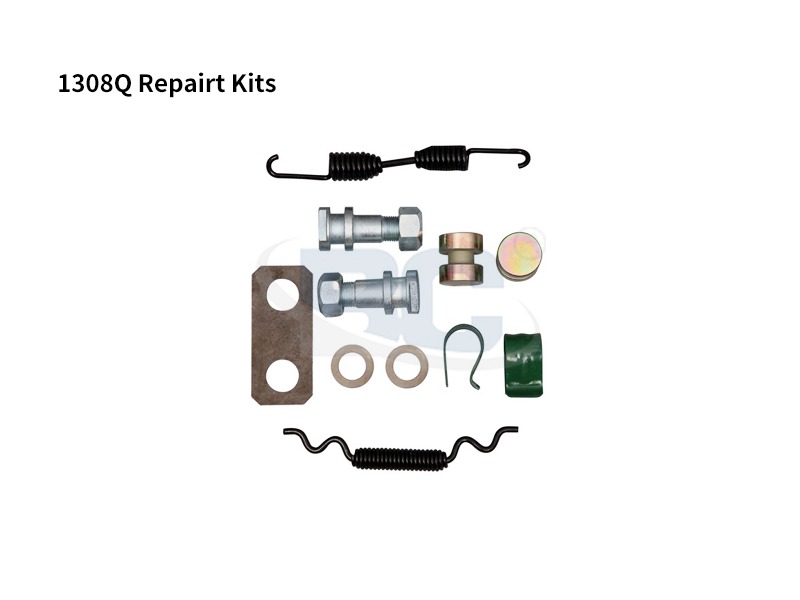
Steel brake shoes may be suitable for certain applications, while casted brake shoes may be selected where the required design calls for a cast structure. Brake linings allow repair of a reusable shoe. Lined brake shoes support faster replacement. Brake shoe repair kits provide the necessary items for a controlled refurbishment. Lined brake shoe kits can simplify procurement for customers who want a packaged replacement solution.
This range can help reduce procurement complexity. Instead of working with separate suppliers for every component, a distributor or fleet operator may source several related products through one specialized manufacturer. Consolidated sourcing can simplify communication, purchase orders, stock planning, and technical follow-up.
Practical Comparison with Low-Quality Replacement Parts
Low-quality replacement parts may show visible differences in casting finish, edge quality, hole accuracy, or curvature. However, some of the most important differences are not immediately visible. Internal casting quality, dimensional stability, material consistency, and resistance to distortion may only become apparent during service.
A poorly finished shoe may require additional workshop preparation. Burrs around riveting holes can interfere with lining installation, while inconsistent curvature can create uneven contact. Incorrect hole positions may force technicians to modify the lining or shoe, increasing labor and potentially weakening the assembly.
In contrast, a product manufactured through controlled casting, finishing, machining, and inspection is intended to arrive ready for its specified application. This supports a more predictable installation process and reduces dependence on improvised corrections.
The most meaningful comparison is therefore not simply between different prices. It is between the total value of a correctly manufactured, correctly identified brake shoe and the potential costs associated with premature wear, installation delays, incorrect fitment, and repeated repairs.
Environmental and Cost Considerations
Brake repair decisions often involve both economic and resource considerations. Reusing a serviceable shoe with a new lining can reduce material consumption compared with replacing the complete assembly. However, reuse is appropriate only when the shoe remains structurally sound, dimensionally correct, and free from unacceptable wear or damage.
A repair kit can support this approach when the workshop has the equipment and skill to carry out the work properly. A complete lined shoe may be more efficient when labor time is limited or when the existing shoe is unsuitable for refurbishment. The availability of both options allows the customer to choose according to the condition of the part and the operating priorities of the fleet.
Durable replacement components may also support lower lifecycle cost when they maintain fit and function over the expected service period. The actual service life depends on vehicle load, operating environment, driving behavior, drum condition, lining material, adjustment, and maintenance quality. No brake shoe should be considered independently from these factors.
Application and Safety Responsibilities
Brake components are safety-critical products. Product descriptions, catalogs, and supplier guidance support selection, but the installer remains responsible for confirming that the part is suitable for the vehicle and brake assembly. Professional installation should follow the applicable vehicle service documentation and workshop safety procedures.
The brake shoe should not be altered to compensate for an incorrect selection. Drilling additional holes, grinding critical mounting surfaces, or reshaping the shoe can weaken the component and change its operating geometry. If the supplied part does not match the required application, it should be set aside for verification rather than modified without technical authorization.
Technicians should use appropriate lifting, handling, cleaning, and personal-protection procedures. Brake dust and used friction material may require controlled handling. The brake drum and shoe should be inspected for contamination, cracks, heat damage, and other conditions that could affect the completed repair.
Frequently Asked Questions
What is the HINO OIL Casted Brake Shoe used for?
It is a heavy-duty cast brake shoe intended for HINO oil brake applications. It supports the friction lining inside a drum-brake assembly and is available in several widths and riveting-hole configurations.
What table widths are available?
The supplied product information lists 5-inch, 6-inch, 6.5-inch, 8-inch, and 8.5-inch table widths. The correct width must be selected according to the brake assembly and original replacement specification.
How many riveting holes does the product have?
The listed configurations include 16 riveting holes for the 5-inch version and 24 riveting holes for the 6-inch, 6.5-inch, 8-inch, and 8.5-inch versions. Buyers should verify the required pattern before ordering.
Can the cast brake shoe be purchased without a lining?
The product is listed as a casted brake shoe, and the company also offers separate brake linings, lined brake shoes, brake shoe repair kits, and lined brake shoe kits. Customers should state whether they require a bare shoe, a separate lining, or a complete lined assembly.
Why is the riveting-hole pattern important?
The hole pattern determines whether the lining can be attached in the intended position. Correct hole count and spacing support secure riveting, proper lining alignment, and more consistent load distribution.
Is a 6-inch shoe interchangeable with a 6.5-inch shoe?
They should not be treated as interchangeable without confirming the complete brake design. Width, curvature, length, mounting geometry, and lining dimensions may differ even when the parts appear similar.
What should be checked before installation?
The technician should check the part reference, table width, hole count, curvature, mounting geometry, lining compatibility, brake-drum condition, and related hardware. The complete assembly should be inspected before the vehicle returns to service.
What is the advantage of a cast brake shoe over an inconsistent generic shoe?
A properly manufactured cast shoe can provide a stable structural foundation, controlled geometry, and defined hole patterns for the intended application. These characteristics can reduce fitting uncertainty and support more predictable lining installation.
Does the manufacturer offer other brake products?
Yes. The stated product categories include steel brake shoes, casted brake shoes, brake linings, lined brake shoes, brake shoe repair kits, and lined brake shoe kits.
How should distributors organize different product sizes?
Products should be labeled and stored by application, reference number, table width, and riveting-hole pattern. This reduces the risk of mixing visually similar components and helps staff select the correct replacement.
Can the product be used for any drum brake system?
No. It is identified for HINO oil applications and should be used only after confirming compatibility with the specific vehicle and brake assembly. A heavy-duty appearance alone does not establish interchangeability.
What information should be provided when requesting a quotation?
Customers should provide the required reference number, table width, riveting-hole count, application, quantity, and whether they need a bare shoe, lined shoe, lining, or repair kit. Photos and measurements may also help resolve fitment questions.
Conclusion
The HINO OIL Casted Brake Shoe is designed to address the practical needs of heavy-duty drum-brake maintenance. Its cast construction provides a robust support structure for the friction lining, while its range of widths and riveting-hole patterns supports different HINO oil brake applications.
The product’s value comes from the combination of application-specific references, controlled geometry, defined attachment configurations, and access to related brake components. These features can help distributors, fleet operators, and workshops reduce selection errors, improve repair planning, and achieve more consistent installation results.
Zhejiang Bangchi Auto Parts Co., Ltd. strengthens this offering through a focused heavy-duty brake-parts portfolio that includes shoes, linings, lined assemblies, and repair kits. Its stated use of the global FMSI numbering system also supports organized product identification for international customers.
For the best result, buyers should confirm the original reference, table width, hole pattern, and brake assembly before ordering. Technicians should inspect the complete brake system, follow approved installation procedures, and verify the finished repair under safe operating conditions. When correctly selected and properly installed, a quality cast brake shoe can contribute to dependable braking, efficient maintenance, and improved lifecycle value for commercial vehicles.
References
1. Product specification supplied for the HINO OIL Casted Brake Shoe, including reference numbers, table widths, riveting-hole counts, and application information.
2. Company product category information covering steel brake shoes, casted brake shoes, brake linings, lined brake shoes, brake shoe repair kits, and lined brake shoe kits.
3. General drum-brake service principles concerning brake-shoe fitment, friction-lining attachment, drum inspection, and post-installation testing.
4. General aftermarket brake-component quality practices concerning dimensional inspection, material control, casting, machining, labeling, and traceability.
5. Global FMSI numbering-system principles as referenced in the supplied company information.