 English
 简体中文
简体中文Heavy-duty commercial vehicles depend on braking components that can withstand repeated loading, high operating temperatures, vibration, contamination, and demanding road conditions. In an air brake system, the brake shoe is one of the most important mechanical components because it transfers the force generated by the brake actuator to the friction lining and then to the brake drum. A brake shoe that is accurately manufactured, properly fitted, and matched to the correct drum can contribute to stable braking performance, predictable maintenance, and longer service life.
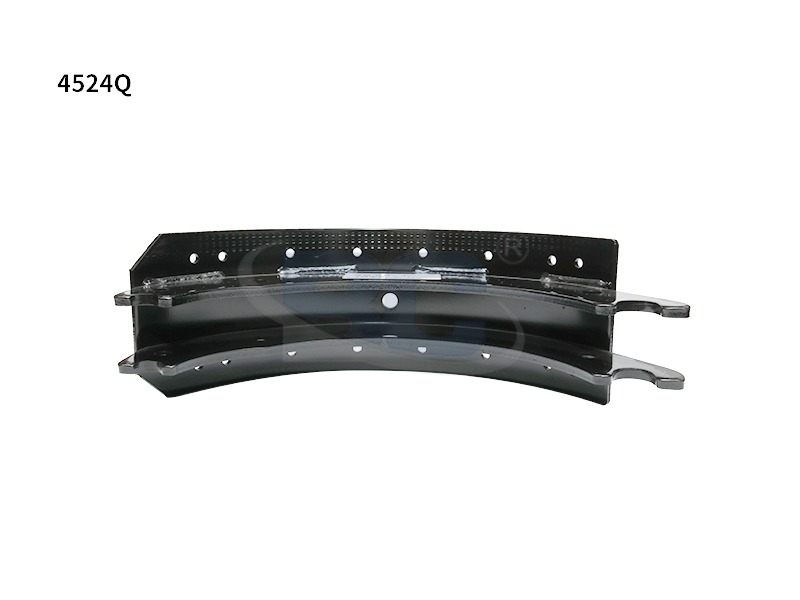
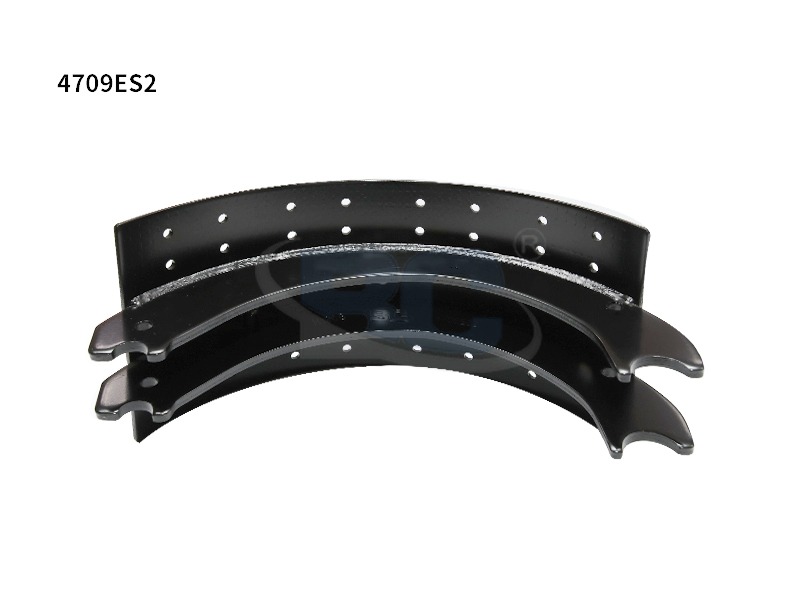
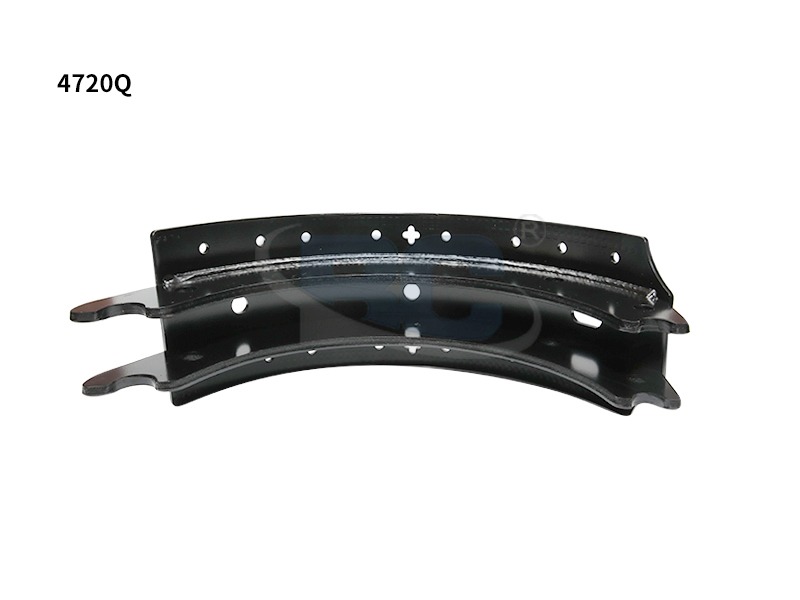
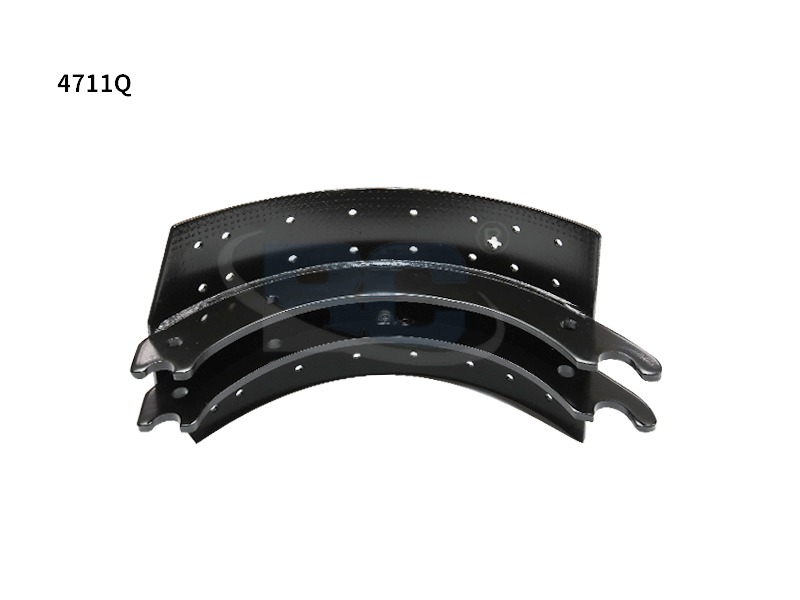
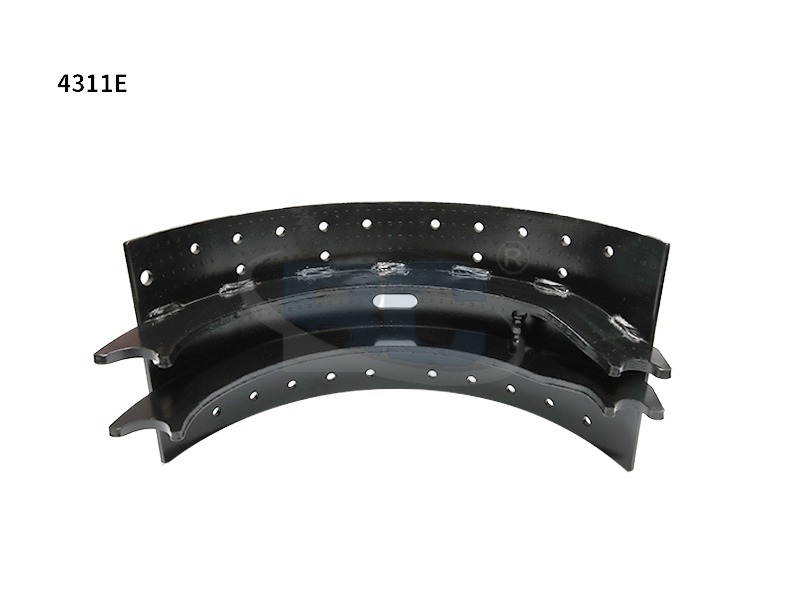
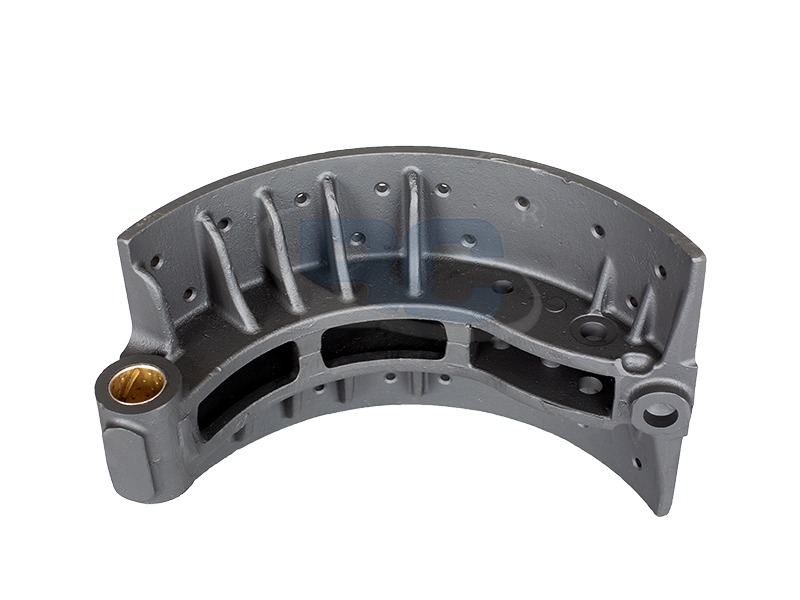
The HINO AIR casted brake shoe is developed for heavy truck air-brake applications and is available in several table widths and riveting-hole configurations. Its product range includes the HINO AIR pattern with a 5-inch table width and 16 riveting holes, as well as additional configurations with 8-inch, 6-inch, and 8.5-inch table widths and 24 riveting holes. This range allows distributors, repair workshops, fleet operators, and brake specialists to select a replacement shoe that corresponds to the required vehicle and brake assembly specifications.
Manufactured by Zhejiang Bangchi Auto Parts Co., Ltd., the product forms part of a broader range of steel brake shoes, casted brake shoes, brake linings, lined brake shoes, brake shoe repair kits, and lined brake shoe kits. The company focuses on heavy-duty brake parts and supplies components according to OEM references and the global FMSI numbering system. This product-centered approach supports parts identification, production consistency, and compatibility management across commercial vehicle applications.
HINO AIR Casted Brake Shoe
Understanding the Role of a Casted Brake Shoe
A brake shoe is a curved structural component positioned inside a brake drum. When the driver applies the brake pedal, compressed air moves the brake actuator. The actuator operates the slack adjuster and cam mechanism, which pushes the brake shoes outward. The friction lining mounted to the shoe then contacts the internal surface of the brake drum. Friction between the lining and drum converts the vehicle’s kinetic energy into heat and slows the wheel.
The shoe must perform more than a simple supporting function. It must maintain its shape under braking loads, distribute pressure across the lining, resist distortion, and remain properly aligned with the drum. It must also provide a stable base for riveting or otherwise securing the friction material. If the shoe is uneven, weak, poorly drilled, or dimensionally inaccurate, the resulting assembly may produce uneven lining contact, accelerated wear, noise, vibration, or reduced braking efficiency.
Casted brake shoes are formed through a casting process that creates a substantial and stable metal structure. Compared with poorly formed or inadequately controlled alternatives, a correctly produced casted shoe can offer dependable dimensional integrity and suitable strength for heavy-duty applications. The casting route also supports the production of complex curved geometries and repeatable mounting features required by air-brake assemblies.
The HINO AIR casted brake shoe is intended to work as part of a complete drum-brake system. The shoe itself does not operate independently. Correct results depend on the condition of the brake drum, camshaft, rollers, bushings, slack adjuster, return springs, lining, and related hardware. For this reason, the shoe should be selected by matching the part number, OEM reference, table width, riveting-hole quantity, and vehicle application rather than by visual appearance alone.
Product Specifications and Identification
Accurate identification is essential when purchasing heavy-truck brake shoes. A replacement part may look similar to another shoe while having a different table width, hole pattern, curvature, or mounting configuration. Installing an incorrect part can create fitting problems and may prevent the lining from contacting the drum correctly. The following specifications identify the principal HINO AIR casted brake shoe configurations supplied in the product range.
| Part Number | OEM Number | Table Width | Riveting Holes | Application |
|---|---|---|---|---|
| HINO AIR | 474311230 | 5 inches | 16 | HINO air |
| 474311240 | Not specified in the supplied data | 8 inches | 24 | HINO air |
| 474311450 | Not specified in the supplied data | 6 inches | 24 | HINO air |
| 474311490 | Not specified in the supplied data | 8.5 inches | 24 | HINO air |
The first listed configuration is associated with OEM number 474311230 and has a 5-inch table width with 16 riveting holes. The other listed references provide wider table dimensions and 24 riveting holes. Because commercial vehicle brake assemblies can vary by axle, drum size, vehicle generation, and service configuration, buyers should verify all available technical information before placing an order.
Part numbers are useful for purchasing and inventory control, but they should be used together with measurements and application information. A workshop can reduce selection errors by comparing the original shoe with the replacement in several areas: overall arc, table width, hole count, hole spacing, roller-seat design, anchor-end geometry, cam-end geometry, and contact position inside the drum. The product label and packing information should also be checked before installation.
Advantages of a Casted Construction
Structural Stability for Heavy-Duty Use
Commercial vehicles operate under loads that are significantly greater than those experienced by passenger cars. Their brake shoes must support high mechanical forces during normal stops, emergency braking, downhill operation, and repeated urban traffic cycles. A casted construction provides a solid structural base for these conditions. When the material, mold design, and process parameters are controlled correctly, the finished shoe can maintain its intended shape while transmitting braking forces through the assembly.
Structural stability is particularly important because a brake shoe is subjected to alternating forces. During braking, the shoe is pushed against the drum. When the brake is released, return springs and mechanical components move the shoe away from the drum. This repeated loading can expose weaknesses in the material or geometry. A properly produced casted shoe is designed to manage these operating cycles without unnecessary deformation.
Consistent Support for Friction Material
The brake lining must remain securely attached to the shoe and must present a consistent contact surface to the drum. The shoe table provides the foundation for the lining. If the table is irregular or changes shape under load, the lining may contact the drum unevenly. Uneven contact can concentrate heat and pressure in small areas, which may contribute to taper wear, cracking, glazing, or reduced friction performance.
The HINO AIR casted brake shoe is produced with attention to the curved table and its mounting-hole arrangement. The objective is to provide a suitable platform for the corresponding lining and to support accurate riveting during brake shoe relining. A stable table also helps the assembled brake shoe follow the designed drum radius when the friction material is correctly selected and installed.
Compatibility with Relining and Repair Programs
Many fleets and repair centers use relining programs rather than replacing the complete lined shoe at every service interval. In these programs, the old friction material is removed, the shoe is inspected, and new lining is attached by approved riveting equipment. A casted brake shoe with an appropriate hole pattern can support this type of maintenance strategy.
The listed configurations include 16-hole and 24-hole arrangements. The correct number and position of riveting holes help distribute the attachment load along the lining. The choice between configurations must always follow the original brake design and the lining manufacturer’s requirements. More holes do not automatically mean that one shoe is superior in every application; the correct pattern is the one engineered for the corresponding brake assembly.
Application-Specific Configuration
One of the main advantages of this product range is the availability of multiple dimensions for HINO air-brake applications. The 5-inch table version, 6-inch version, 8-inch version, and 8.5-inch version address different brake-shoe requirements. Maintaining several configurations helps parts distributors serve a wider customer base while allowing repair technicians to select a closer match for the original component.
Table width affects how the lining sits on the shoe and how the shoe occupies the brake drum. If the table is too narrow, the lining may not provide the required support. If it is too wide, the component may interfere with adjacent parts or fail to match the drum and lining design. This is why the table-width specification should be treated as a primary identification factor rather than an optional detail.
The riveting-hole pattern is equally important. The listed HINO AIR configurations use either 16 or 24 riveting holes. Hole quantity influences lining attachment and must correspond to the lining length, lining design, and original shoe pattern. During relining, the holes should be clean and free from distortion. Rivets should be installed using suitable equipment and correct pressure so that the lining is held securely without being damaged.
Application matching also involves the brake drum. Even a high-quality brake shoe cannot compensate for a drum that is cracked, excessively worn, out of round, or beyond its service limit. Before installation, the drum should be inspected and measured according to the applicable service instructions. The shoe arc, lining radius, and drum condition should be considered together to achieve suitable contact after assembly.
Manufacturing Strengths and Process Control
The performance of a casted brake shoe begins before casting. Product engineering must define the intended geometry, mounting points, material requirements, and application references. Tooling and mold design must reproduce the required shoe profile consistently. Process planning should also account for shrinkage, material flow, cooling behavior, machining allowances, and subsequent finishing operations.
Pattern and Mold Preparation
In a controlled casting process, the pattern or tooling establishes the external shape of the shoe. It must reproduce the curved table, side supports, ends, and other relevant structural features. Tooling accuracy has a direct effect on dimensional repeatability. Proper mold preparation also helps reduce surface defects and supports a cleaner transition between the different sections of the casting.
For a product used across several configurations, dedicated or appropriately adjusted tooling is important. The 5-inch shoe should not simply be treated as a larger or smaller version of another configuration. Each table width and mounting pattern must be represented correctly. This reduces the risk of dimensional compromises and helps maintain the intended relationship between the shoe and the brake assembly.
Metal Melting and Pouring
Material preparation is a critical stage in producing a durable casted component. The selected metal charge must be managed carefully, and the melt should be controlled for temperature and composition. Clean charge materials, suitable furnace management, and disciplined pouring practices can help reduce inclusions, excessive porosity, and inconsistent mechanical properties.
Pouring conditions influence how completely the metal fills the mold and how the casting solidifies. If the flow is interrupted or the temperature is unsuitable, defects may appear in structural areas. A manufacturer with experience in heavy-duty brake components can develop process parameters that balance filling, cooling, and dimensional stability. The result should be a casting that is sufficiently sound for machining, drilling, lining attachment, and service use.
Cooling, Shakeout, and Cleaning
After pouring, the casting must cool under controlled conditions. Cooling behavior affects internal stress and final dimensions. Premature or uneven cooling may contribute to distortion or localized stress, while suitable cooling supports a more stable result. Once the casting has reached the appropriate condition, it is removed from the mold and cleaned.
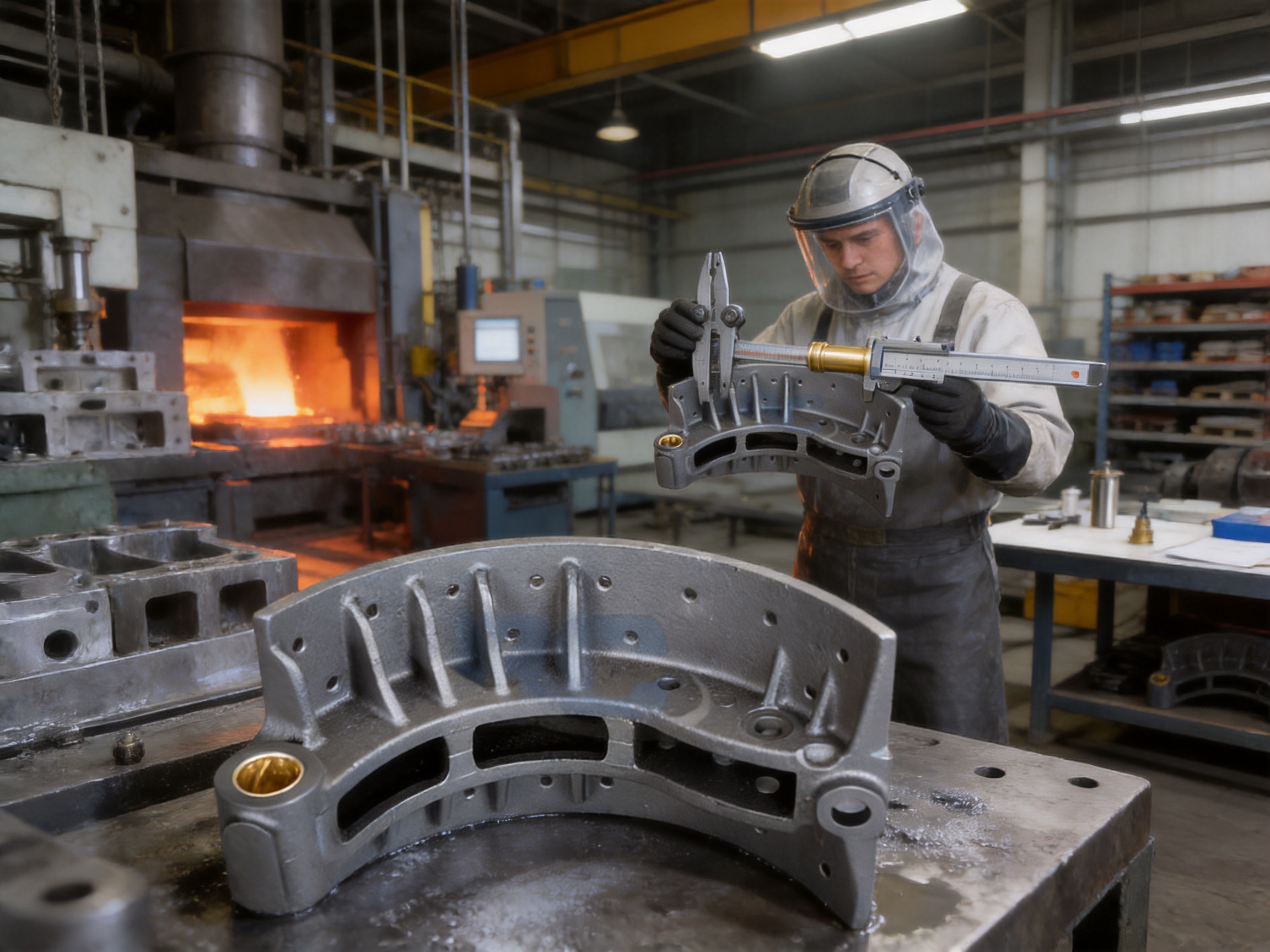
Cleaning removes sand, flash, gates, risers, and other unwanted material. This stage also makes it easier to inspect the casting for visible defects. Areas around the shoe table, ends, and mounting features deserve particular attention because these regions influence assembly and operation. Proper finishing produces a more consistent base for later machining and hole processing.
Machining and Hole Processing
Castings normally require finishing operations to achieve the dimensional accuracy needed for brake assembly. Machining may be used on selected surfaces, while drilling or other hole-forming processes create the specified riveting pattern. The objective is not merely to make holes, but to place them accurately in relation to the table and the shoe ends.
Hole location affects lining installation. Incorrect spacing can make the rivet installation difficult or create stress concentrations in the friction material. Controlled fixtures and inspection gauges help keep hole position consistent from one production batch to another. The same principle applies to other mounting features that interact with rollers, cam mechanisms, anchor points, or retaining hardware.
Inspection and Batch Consistency
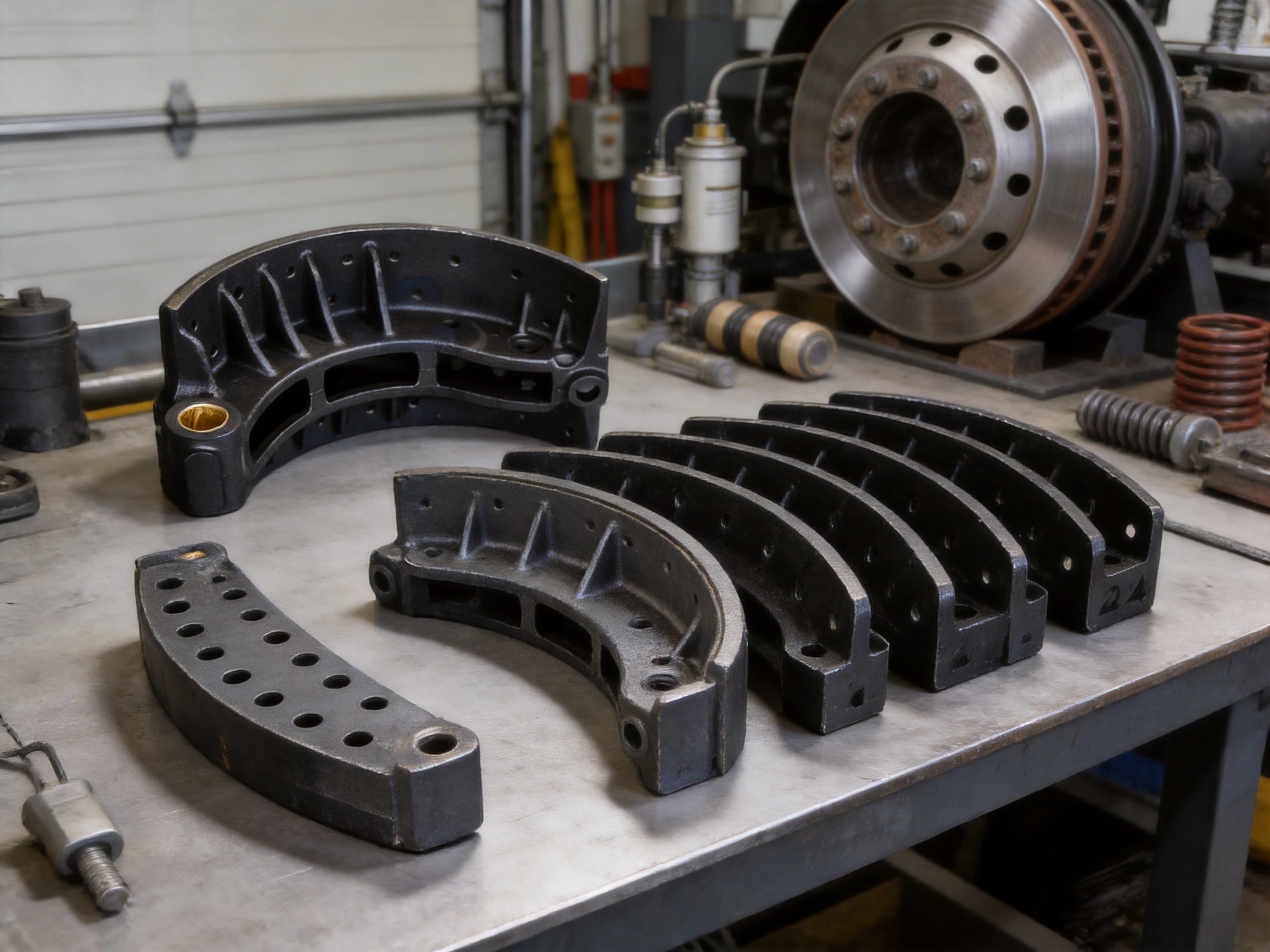
Quality control should be integrated throughout the manufacturing process rather than performed only at the end. Incoming material checks, process inspections, dimensional verification, surface examination, and final sampling all contribute to consistent products. Batch identification helps a manufacturer connect finished shoes with production records and supports more effective investigation if a technical question arises.
For distributors and fleet customers, consistent production is a major advantage. A brake shoe that matches the approved sample but varies significantly from batch to batch creates problems in inventory planning and workshop installation. Stable manufacturing processes make it easier to standardize service procedures, maintain predictable fitment, and reduce returns caused by dimensional variation.
Why Manufacturing Quality Matters More Than Appearance
Two brake shoes can appear similar when placed next to each other and still perform differently in service. Visual similarity does not confirm that the arc, table width, hole spacing, material structure, or functional mounting surfaces are correct. Heavy-duty brake parts require more than a recognizable shape. They need controlled dimensions and a reliable manufacturing history.
A well-made casted shoe should have a sound surface without unacceptable cracks, severe porosity, or damaging inclusions. Its functional areas should be correctly formed and finished. The shoe should also remain stable when the lining is attached and when the complete assembly is adjusted inside the drum. These requirements are why experienced brake-part manufacturers invest in tooling control, process knowledge, inspection equipment, and application-specific product data.
Manufacturing quality also affects the total operating cost. A shoe with poor dimensional accuracy may create additional labor during fitting, require rework, or cause premature wear of the lining and drum. A consistent replacement component can reduce installation difficulties and support more predictable maintenance planning. For fleet operators, these indirect savings can be as important as the purchase price of the component.
Advantages Compared with Generic or Poorly Matched Alternatives
Better Application Identification
Generic brake shoes are sometimes offered with limited technical information. A product may be described only by a vehicle name or approximate size, leaving the buyer to determine whether the table and hole pattern are correct. The HINO AIR range provides specific references, table widths, and riveting-hole quantities. This information gives purchasing teams and technicians a clearer basis for selection.
Application-specific data does not eliminate the need for verification, but it reduces uncertainty. Buyers can compare the required OEM reference with the listed part number and then confirm physical measurements. This is more reliable than selecting a shoe solely because it appears to fit or because a supplier has described it as a universal replacement.
More Suitable for Professional Relining
Professional relining requires a shoe that can be inspected, cleaned, and fitted with new friction material. The correct hole pattern and stable table support the use of approved relining procedures. A poorly drilled or distorted shoe may make rivet installation inconsistent and can compromise the finished lined assembly.
The HINO AIR configurations are offered with defined hole quantities, including 16-hole and 24-hole versions. This supports more organized relining work because the workshop can order the corresponding lining and rivets as a matched service package. When combined with brake shoe repair kits or lined brake shoe kits, the product range can support different maintenance preferences.
Designed for Heavy-Duty Operating Conditions
Heavy trucks may travel long distances, carry variable loads, operate on steep grades, and brake frequently in congested areas. The brake shoe must therefore be part of a system designed for demanding service. A casted construction with a stable table and application-specific dimensions is better suited to this environment than a lightly built component intended for low-load use.
The product should still be evaluated within the complete brake system. Operating temperature, lining selection, drum condition, axle load, adjustment, and driver behavior all affect service life. However, starting with a correctly manufactured and correctly matched shoe gives the system a dependable structural foundation.
Support for Inventory Management
Parts distributors often need to serve workshops quickly while avoiding excessive inventory. A clearly identified range makes stock planning easier. The listed HINO AIR references can be organized by part number, table width, hole count, and application. Labels and catalog records can then help staff identify the correct item without opening every package or relying on memory.
Clear identification also improves communication between the vehicle owner, distributor, and repair shop. If a workshop reports that it needs an 8-inch table shoe with 24 holes for a HINO air application, the distributor has several practical data points for confirmation. This reduces the chance of shipping a visually similar but technically different part.
Company Manufacturing and Supply Capabilities
Zhejiang Bangchi Auto Parts Co., Ltd. is based in Haining, Zhejiang, China, and specializes in heavy-duty brake parts. Its product categories include steel brake shoes, casted brake shoes, brake linings, lined brake shoes, brake shoe repair kits, and lined brake shoe kits. This product breadth is valuable because customers can source related brake components from a manufacturer with experience in the same general product field.
The company states that it provides OEM brake parts following the global FMSI numbering system. Numbering and catalog discipline are important in the commercial vehicle aftermarket because one vehicle platform may use multiple brake configurations. A structured reference system helps customers compare replacement parts, organize stock, and communicate technical requirements more accurately.
A manufacturer focused on brake components can also develop practical knowledge of the relationship between shoes, linings, rivets, drums, and repair kits. This integrated understanding is useful when responding to customer questions about fitment and service requirements. It can also support product development when a customer needs a specific table width, hole configuration, or replacement reference.
For international buyers, production capability is only one part of supplier evaluation. Packaging, labeling, export documentation, order communication, lead-time management, and after-sales technical support also influence the value of a brake-parts supplier. A professional supplier should be able to confirm product references, clarify dimensions, provide suitable packing, and communicate any minimum-order or customization requirements before production.
The company’s location in Zhejiang provides access to an established manufacturing region with broad industrial supply resources. For customers sourcing commercial vehicle brake components, this can support efficient coordination with foundry, machining, finishing, packaging, and logistics operations. The exact production route and inspection documents should be confirmed for each order according to the customer’s requirements.
Installation and Relining Considerations
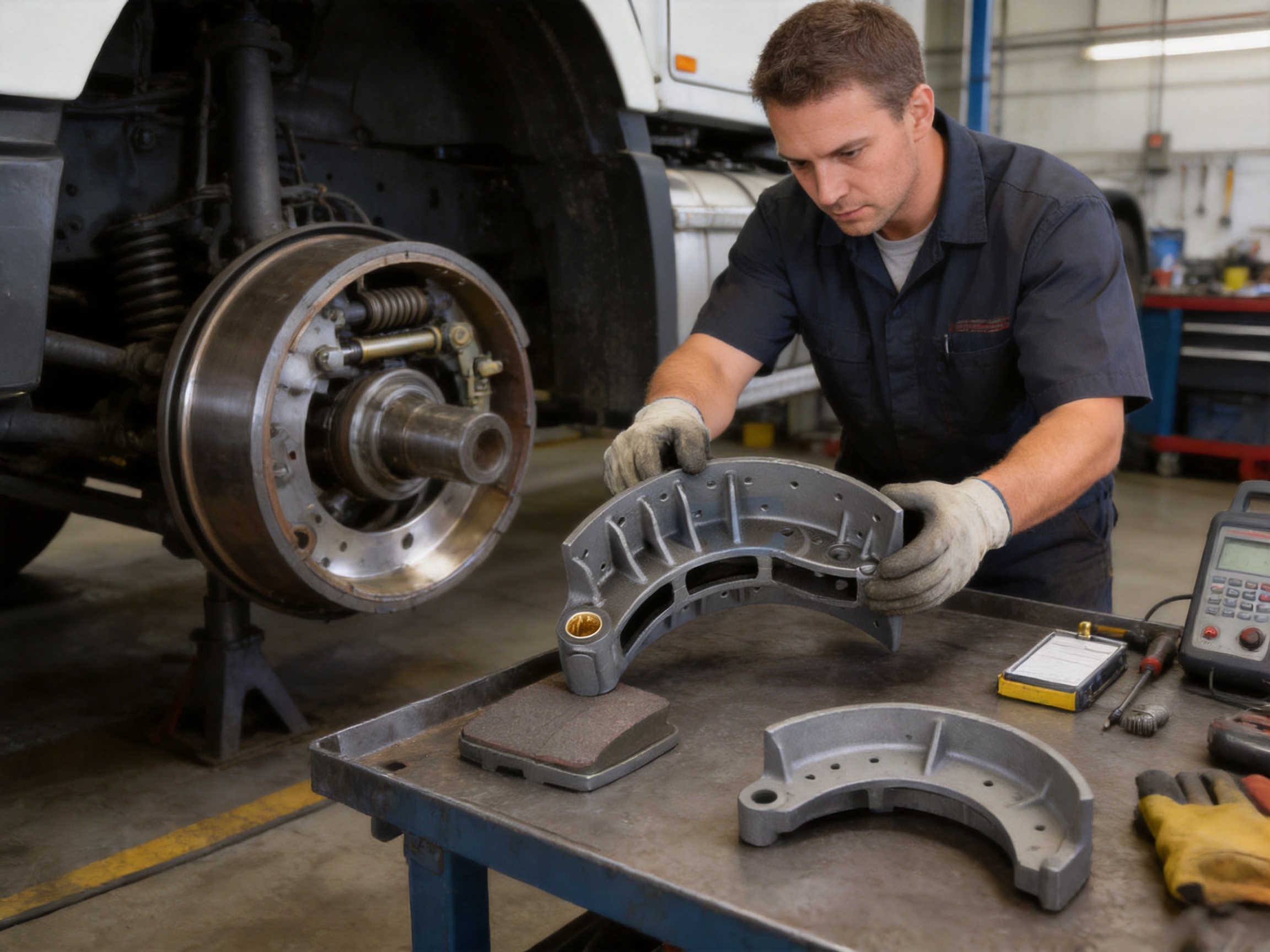
Brake shoe installation should be performed by trained personnel using the service information applicable to the vehicle and brake assembly. Before fitting the shoe, the technician should compare the replacement part with the removed component and verify the part number, table width, hole count, orientation, and mounting features. Any discrepancy should be investigated before the old component is discarded.
If the shoe is supplied without lining, the friction material must be selected for the correct drum-brake application. Lining thickness, length, arc, friction characteristics, and hole pattern should be compatible with the shoe and vehicle. Rivets must also be appropriate for the lining and shoe. The lining should sit flush against the table without gaps, rocking, or excessive force.
During riveting, the workshop should follow the lining supplier’s recommended sequence and equipment settings. Riveting should provide secure contact along the lining without crushing or cracking the friction material. The finished lining should be checked for movement, loose rivets, raised areas, and surface damage. If a shoe or lining is damaged during the process, it should not be returned to service without an appropriate technical evaluation.
All related hardware should be inspected during assembly. Return springs can lose tension, rollers can wear, bushings can develop excessive clearance, and cam components can become damaged or contaminated. Reusing worn hardware with a new shoe may prevent the brake from operating as intended. A brake shoe repair kit can be useful when multiple associated components need to be renewed together.
After installation, the brake should be adjusted according to the applicable service procedure. The drum should rotate freely when the brake is released, while the operating clearance should remain within the specified range. The technician should confirm that the slack adjuster and actuator operate correctly and that the brake responds evenly across the axle.
Inspection, Maintenance, and Service Life
Brake performance should be checked at regular service intervals, not only when a driver reports a problem. Inspection frequency depends on vehicle use, loading, terrain, climate, and fleet policy. Vehicles that operate on steep roads, in stop-and-go traffic, or under high loads may require more frequent inspection than vehicles used on relatively flat long-distance routes.
During inspection, technicians should examine the lining for uneven wear, cracks, contamination, separation, and excessive thinning. The shoe should be checked for distortion, cracks, corrosion, and damage around the riveting holes. The drum should be inspected for scoring, heat checking, cracks, excessive wear, and out-of-round conditions. These checks help determine whether replacing only the lining is appropriate or whether the complete shoe should be renewed.
Brake adjustment is an important factor in component life. Excessive clearance can increase actuator travel and reduce braking response. Insufficient clearance can cause drag, heat buildup, and premature wear. Automatic slack adjusters still require inspection because poor lubrication, incorrect installation, seized components, or other mechanical problems can prevent correct adjustment.
Contamination is another concern. Oil, grease, water, mud, and chemicals can affect friction material performance and may also encourage corrosion on metal components. Contaminated lining should be evaluated according to professional service practices. Cleaning a contaminated friction surface is not always sufficient, especially if the material has absorbed oil or suffered heat damage.
Service life cannot be guaranteed by the shoe alone. It depends on the complete braking system, vehicle loading, driving conditions, maintenance quality, and lining selection. The advantage of a properly manufactured casted shoe is that it provides a reliable platform from which the rest of the system can operate as designed.
Quality Assurance for Buyers and Distributors
Commercial vehicle parts buyers can use a practical checklist when evaluating this product. First, confirm the required application and OEM reference. Second, compare the table width and riveting-hole quantity with the original shoe or technical drawing. Third, request product photographs, dimensional information, or samples when the application is unfamiliar. Fourth, confirm packaging and labeling requirements, especially when several similar references will be stored in the same warehouse.
For larger orders, buyers may also request a pre-production sample or first-article confirmation. This can be useful when the product is intended for a new vehicle application, private-label program, or regional distribution network. Sample approval should include a review of dimensions, hole position, casting finish, and assembly compatibility. Once approved, production batches should be checked against the same requirements.
Traceability is valuable when brake parts are supplied to fleet customers or professional repair networks. Batch codes, production dates, inspection records, and packing information help identify the source of a component. Good documentation also enables faster communication if a customer needs clarification about an order or application.
Packaging should protect casted brake shoes from impact, moisture, and contamination during storage and transport. Heavy parts should be secured so that they do not strike one another or damage their mounting surfaces. Labels should remain readable and should identify the part number and application. For export shipments, the packaging method should be agreed with the customer based on container loading, warehouse conditions, and expected transit time.
Use in Different Maintenance Strategies
Complete Lined Brake Shoe Replacement
Some repair workshops prefer to install a complete lined brake shoe. This approach can reduce relining labor and help standardize installation, particularly when the fleet has limited workshop time. A complete assembly should still be checked for the correct lining specification, shoe reference, hole arrangement, and orientation before installation.
Complete lined shoes can be especially convenient for scheduled maintenance. The workshop receives a ready-to-install component and can replace the old shoe after inspecting the drum and related hardware. This may help shorten vehicle downtime, although all safety and adjustment procedures remain necessary.
Relining with a Bare Casted Shoe
Other fleets maintain an in-house relining capability or use a specialized brake relining service. In this case, a bare casted shoe can be combined with the correct lining and rivets. This option gives the workshop greater flexibility in choosing friction material and may fit established fleet maintenance procedures.
Relining should never be treated as an informal assembly task. The shoe must be suitable for reuse or new production, the lining must be approved for the application, and riveting must be completed with suitable equipment. The final assembly should be inspected before entering service.
Repair Kits and Supporting Components
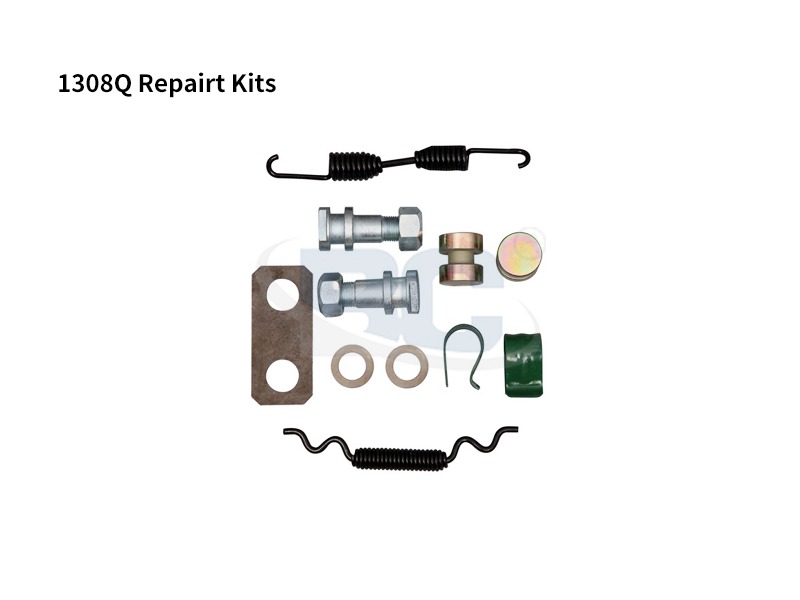
Brake shoe repair kits can address wear in supporting components at the same time as shoe replacement. Depending on the kit design, components may include rollers, pins, bushings, springs, retainers, or other hardware. Replacing worn supporting parts can help the new shoe operate more accurately and can prevent old mechanical clearances from reducing brake performance.
A supplier offering shoes, linings, complete assemblies, and repair kits can provide a more coordinated purchasing experience. Customers should nevertheless confirm the content of each kit and ensure that all parts match the specific brake model. Kit contents can vary by application, and a general description is not a substitute for a detailed parts list.
Operational Benefits for Fleet Owners
Fleet owners evaluate brake components according to safety, reliability, service time, total cost, and supply continuity. The HINO AIR casted brake shoe supports these priorities through application-specific identification and a range of configurations. A correctly matched shoe can reduce installation uncertainty, while a consistent product can help workshops follow repeatable maintenance procedures.
Supply continuity is also important. A vehicle that remains out of service while a replacement brake part is located can create direct and indirect costs. Maintaining a clear cross-reference between part number, OEM number, table width, hole count, and application makes it easier to plan stock. Distributors can use this information to maintain appropriate inventory for common HINO air-brake requirements.
Predictable fitting can reduce labor. Technicians spend less time modifying, repositioning, or troubleshooting a part when its dimensions match the original requirement. Although installation still requires inspection and adjustment, a suitable replacement shoe supports a more efficient workflow than a generic component that needs extensive verification or correction.
Reliable brake parts also support vehicle uptime. Brake maintenance cannot be postponed indefinitely, but it can be planned more effectively when wear patterns, parts availability, and replacement procedures are understood. A durable casted shoe is one element of that maintenance plan, working together with quality lining, sound drums, correct adjustment, and responsible driving practices.
Technical Questions to Confirm Before Ordering
Before ordering the HINO AIR casted brake shoe, the customer should confirm the vehicle and axle application, the original part number, the required table width, the riveting-hole count, and whether the order requires a bare shoe or a complete lined assembly. The customer should also state the required quantity, packaging method, labeling format, and destination market.
If the original part number is unclear, the customer should provide photographs and measurements of the original shoe. Useful measurements include table width, overall length, shoe arc, hole count, hole spacing, and the dimensions of the cam and anchor ends. Photographs should show both sides of the shoe and the mounting areas. These details help the supplier evaluate the application more accurately.
For relining projects, the customer should confirm the friction material specification and rivet requirements. For complete assemblies, the customer should confirm the lining brand or performance class if a particular specification is required. The customer may also request information about inspection standards, sample approval, production lead time, and export packing.
Frequently Asked Questions
What is the HINO AIR casted brake shoe used for?
It is used as a structural brake-shoe component in HINO air-brake applications for heavy commercial vehicles. It supports the friction lining and transfers mechanical force from the brake mechanism to the brake drum.
Which configurations are available?
The supplied product information lists a 5-inch table width with 16 riveting holes, an 8-inch table width with 24 riveting holes, a 6-inch table width with 24 riveting holes, and an 8.5-inch table width with 24 riveting holes. The listed references include OEM number 474311230 and part numbers 474311240, 474311450, and 474311490. Buyers should verify the exact reference required for their vehicle.
Does the product include brake lining?
The product is categorized as a casted brake shoe, so the customer should confirm whether the order is for a bare shoe or a lined brake shoe. The manufacturer also supplies brake linings, lined brake shoes, repair kits, and lined brake shoe kits, which may be available for separate or combined orders.
Why is table width important?
Table width determines how the lining is supported and how the shoe fits within the brake assembly. An incorrect width may result in poor lining support, interference, or incorrect contact with the drum. It should be matched to the original component and the applicable technical specification.
Why is the riveting-hole count important?
The hole count and position must match the lining and shoe design. The listed configurations use either 16 or 24 holes. Using a lining or rivet pattern that does not correspond to the shoe can create installation and security problems.
Can the shoe be used for relining?
A suitable bare casted shoe can be used in a professional relining process when the correct lining, rivets, tools, and service procedures are used. The shoe must be inspected before lining installation, and any damaged or distorted component should be rejected.
Is a casted shoe better than every alternative?
No single construction is automatically best for every vehicle. The correct choice depends on the brake design, load, operating conditions, and manufacturer requirements. A properly manufactured casted shoe offers structural stability and application-specific geometry, but it must still be correctly matched to the complete braking system.
What should be checked before installation?
Check the part number, OEM reference, table width, hole pattern, shoe arc, mounting features, and casting condition. Inspect the drum, lining, rollers, springs, bushings, cam components, and slack adjuster. Confirm that the brake is correctly adjusted after assembly.
How can a distributor reduce ordering mistakes?
A distributor should organize stock by part number, application, table width, and hole count. Comparing customer measurements or original-part photographs with catalog data can provide additional confirmation. Clear labels and separate storage for similar references are also helpful.
Where is the product manufactured?
The product is manufactured by Zhejiang Bangchi Auto Parts Co., Ltd. at its facility in Haining, Zhejiang, China. The company specializes in heavy-duty brake parts and supplies products for commercial vehicle brake applications.
Can customers request product information for a bulk order?
Customers can contact the manufacturer to confirm application data, dimensions, packaging, labeling, sample approval, production requirements, and order quantities. For unfamiliar applications, providing the original part number and measurements is recommended.
Recommended Purchasing and Service Approach
The most reliable purchasing approach combines catalog identification with physical verification. Start with the vehicle and brake application, then compare the original part number or OEM reference. Confirm the table width and riveting-hole quantity. If there is any uncertainty, provide photographs and measurements to the supplier before ordering. This process is particularly important when several similar HINO air-brake shoes are used in a fleet.
After receiving the product, inspect the packaging and part labels before placing the shoes into inventory. Check for transport damage, visible cracks, severe surface defects, or missing features. Store the shoes in a dry area and protect them from oil, chemicals, and unnecessary impact. Keep bare shoes separate from lined assemblies and use a first-in, first-out inventory method where practical.
During service, use trained technicians and follow the vehicle manufacturer’s brake procedures. Replace worn supporting hardware where necessary, use compatible friction material, and complete a careful final adjustment. Record the installed part number and service date in the vehicle maintenance history. These records help fleet managers identify wear trends and plan future orders.
Conclusion
The HINO AIR casted brake shoe is a heavy-duty replacement component designed for HINO air-brake applications. Its main product strengths are the stable casted structure, application-specific dimensions, defined riveting-hole patterns, and availability in multiple table widths. The listed configurations include 5-inch, 6-inch, 8-inch, and 8.5-inch table options, with 16-hole or 24-hole riveting arrangements depending on the reference.
Its value is reinforced by the manufacturing and supply capabilities of Zhejiang Bangchi Auto Parts Co., Ltd., a specialist in heavy-duty brake parts that also supplies steel shoes, brake linings, lined shoes, and repair kits. A focused product range, OEM reference management, and alignment with the global FMSI numbering system can help professional customers improve identification and inventory control.
For the best result, the shoe must be matched to the correct vehicle, axle, brake drum, lining, and hardware. Proper installation, relining, adjustment, and inspection are essential. When these requirements are followed, a correctly selected casted brake shoe can provide a dependable foundation for commercial vehicle braking performance and planned fleet maintenance.
References
1. Product specification data supplied for the HINO AIR casted brake shoe, including part numbers, OEM reference, table widths, riveting-hole quantities, and application information.
2. Commercial vehicle drum-brake service principles covering brake shoes, friction linings, brake drums, slack adjusters, rollers, springs, and adjustment procedures.
3. General foundry and casting-process engineering practices for structural automotive components, including mold preparation, melting, pouring, cooling, cleaning, machining, and inspection.
4. General heavy-duty vehicle maintenance practices for brake inspection, relining, component replacement, storage, and fleet service documentation.
5. Global FMSI friction-material and brake-part identification principles used for aftermarket cataloging and application reference.