 English
 简体中文
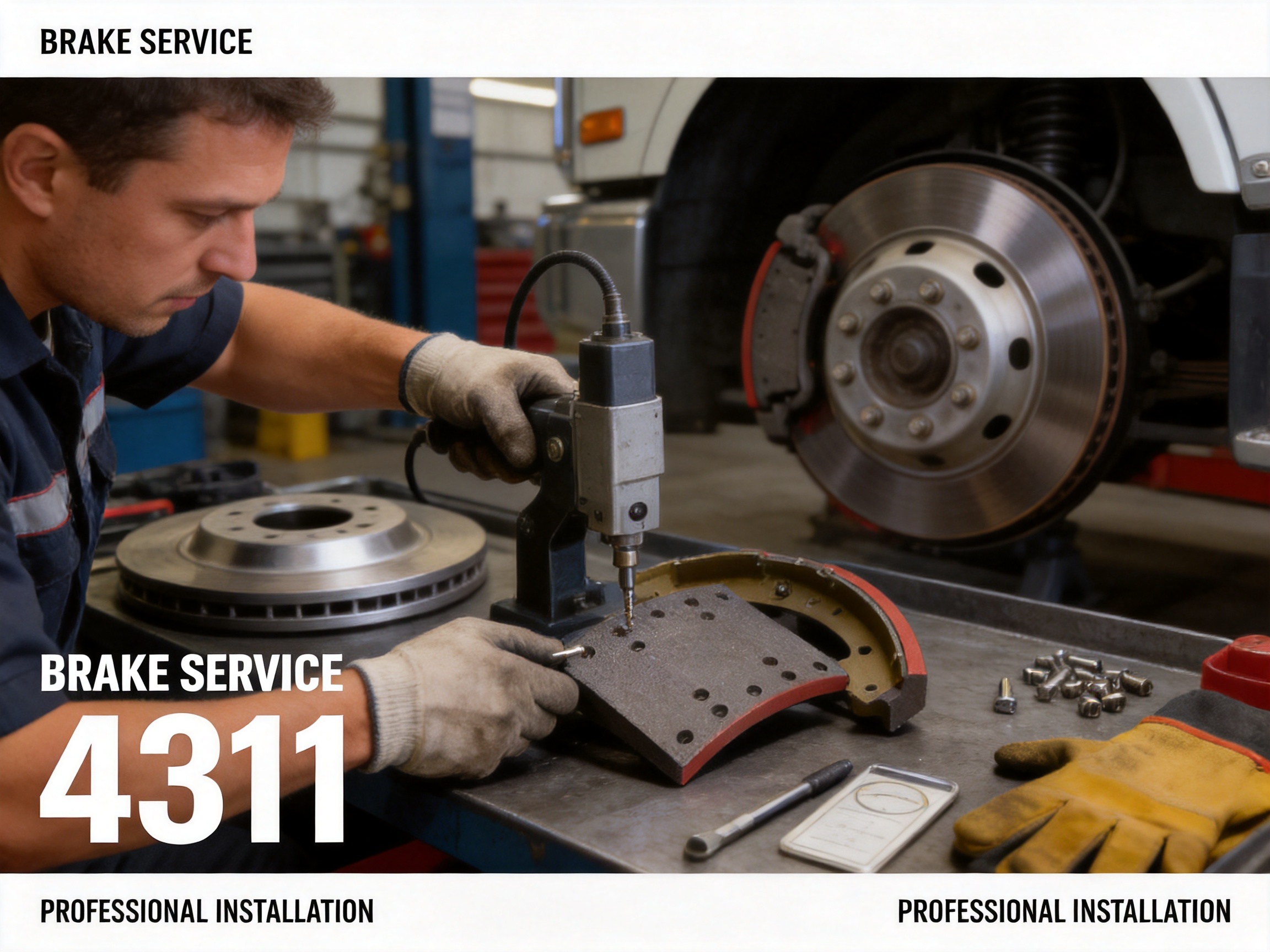
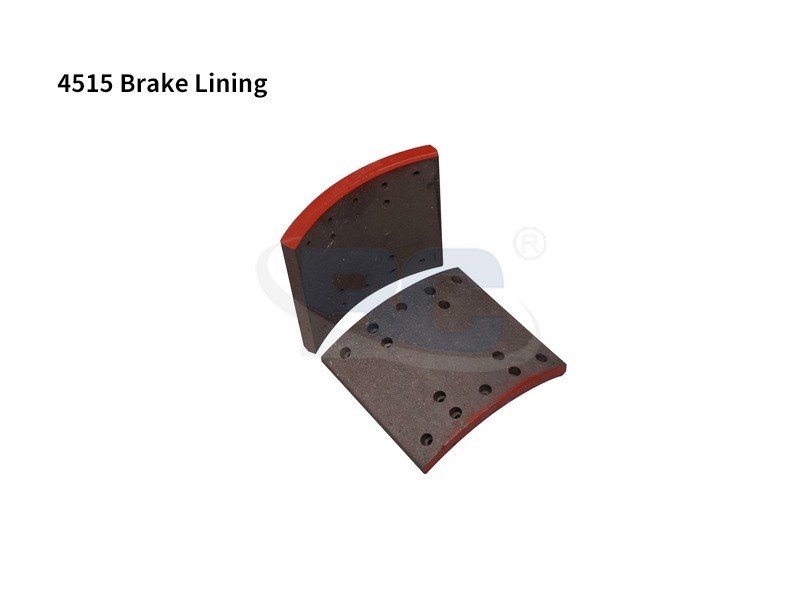
The 4311 Brake Lining is a heavy-duty friction component designed for commercial vehicle brake shoe applications. With a product size of 16.5 inches by 7 inches and 14 rivet holes, this lining is configured for brake assemblies that require dependable contact, consistent braking response, and a practical replacement solution. It belongs to the brake lining category and can be used as part of a broader heavy-duty brake parts program that includes steel brake shoes, cast brake shoes, lined brake shoes, brake shoe repair kits, and lined brake shoe kits.
For fleet operators, repair professionals, brake distributors, and original equipment customers, a brake lining is more than a simple wear item. It is a precision friction component that influences stopping performance, service intervals, installation efficiency, operating cost, and vehicle availability. The correct lining must match the brake shoe geometry, rivet pattern, drum dimensions, operating conditions, and maintenance requirements of the vehicle. The 4311 Brake Lining provides a clearly defined dimensional specification and a 14-hole rivet layout, helping buyers and technicians evaluate compatibility before installation.
Manufactured by Zhejiang Bangchi Auto Parts Co., Ltd., the product is supported by a company specializing in heavy-duty brake parts and OEM brake components following the global FMSI numbering system. This product-centered approach gives customers access to a structured brake component portfolio rather than an isolated replacement part. It also supports sourcing consistency for businesses that require multiple brake shoe and lining references from one experienced supplier.
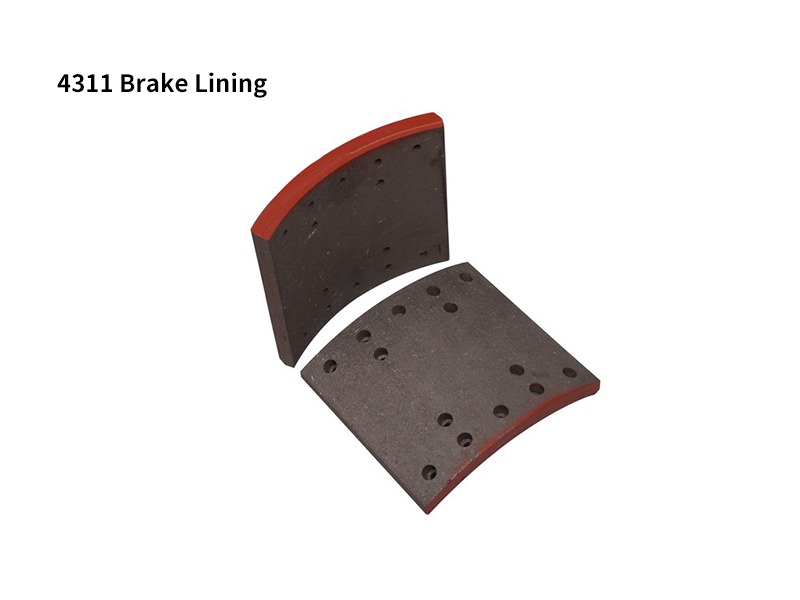
4311 Brake Lining
Product Overview
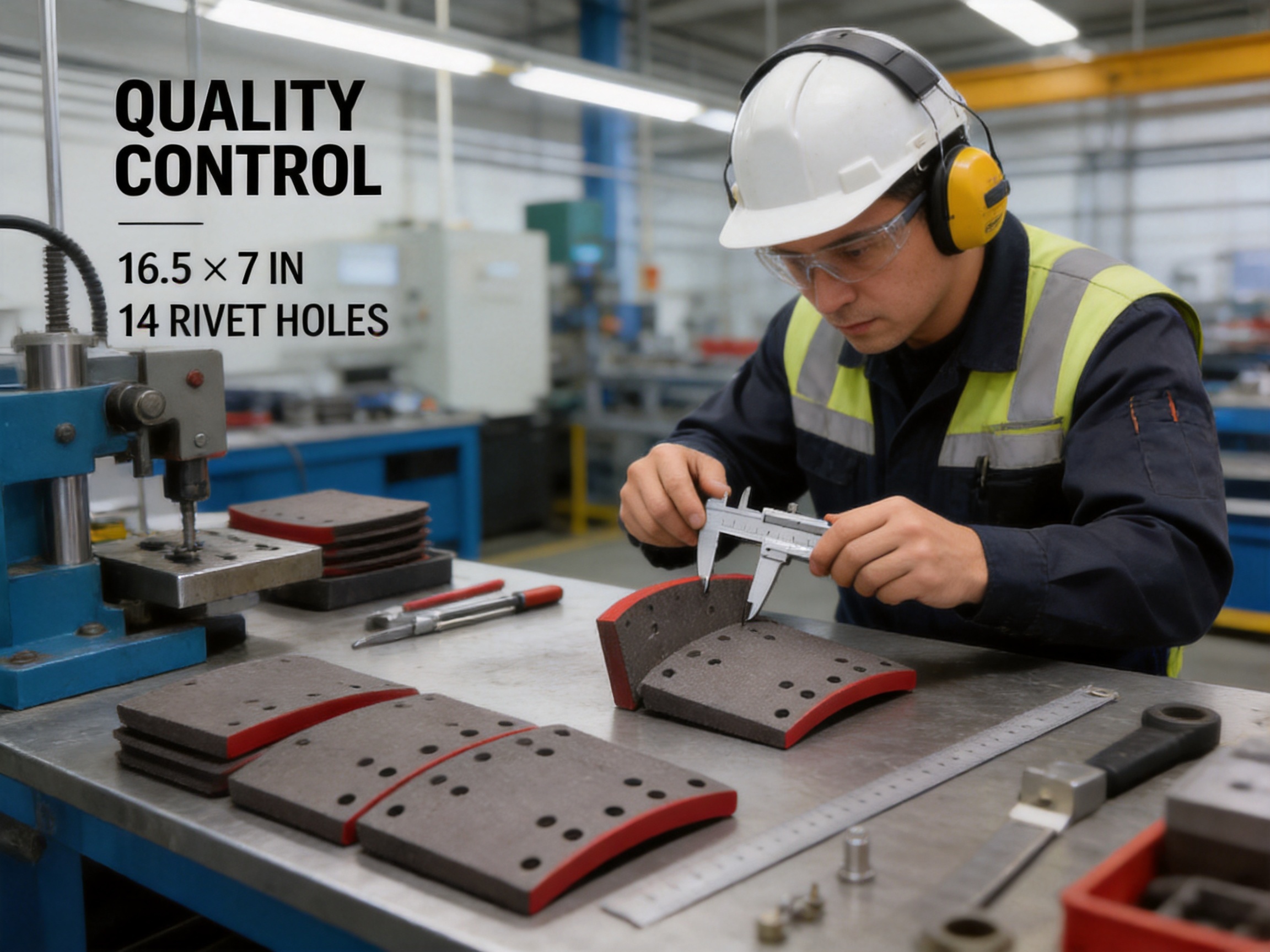
The 4311 Brake Lining is identified by part number 4311 and is supplied in a 16.5-inch by 7-inch size. The lining contains 14 rivet holes, an important specification for installation on the corresponding brake shoe. These details are essential when selecting a replacement friction lining because even a lining with a similar overall appearance may be unsuitable if its width, length, curvature, hole count, or hole positioning does not match the brake shoe.
| Product Attribute | Specification |
|---|---|
| Part number | 4311 |
| Product type | Brake lining |
| Product size | 16.5 inches by 7 inches |
| Number of rivet holes | 14 |
| Category | Brake Lining |
| Application focus | Heavy-duty brake shoe service and replacement |
| Vehicle reference system | Global FMSI numbering system support |
The stated specifications provide a useful starting point for purchasing and installation decisions. Before ordering, customers should compare the part number with the vehicle or brake assembly documentation and verify the brake shoe dimensions, rivet pattern, drum configuration, and intended service application. The available product information does not include a vehicle application list or a WVANUMBER, so final compatibility should be confirmed through the customer’s technical records or with the supplier before installation.
A brake lining is normally attached to a steel or cast brake shoe by rivets. During braking, the lining is pressed against the interior surface of a brake drum. The resulting friction converts the vehicle’s kinetic energy into heat and slows the wheel. Because the lining works in a demanding thermal and mechanical environment, its design and manufacturing quality are important to the overall function of the brake assembly.
Why the 4311 Brake Lining Matters in Heavy-Duty Service
Heavy-duty vehicles often operate under higher loads, longer duty cycles, frequent stops, and variable road conditions. Trucks, trailers, buses, and other commercial vehicles may experience repeated braking on highways, urban routes, ramps, grades, loading areas, and construction access roads. These conditions place continuous demands on brake shoes, linings, drums, springs, adjusters, and related hardware.
In this environment, a brake lining should provide dependable friction behavior across normal service conditions. It should also remain securely attached to the shoe, maintain a stable contact surface, and support predictable inspection and replacement procedures. The 4311 Brake Lining is developed as a replaceable friction element for heavy-duty brake shoe assemblies, giving maintenance teams a defined part number and dimensional reference for their procurement systems.
The 16.5-inch by 7-inch size identifies a substantial lining format suitable for applications requiring a broad friction surface. A larger contact area can help distribute braking pressure across the shoe when the lining is correctly matched to the assembly. The 14-hole rivet configuration provides a clear mechanical attachment reference. It can help technicians select the correct rivets, prepare the shoe accurately, and reduce the risk of installing an incorrectly drilled or mismatched lining.
In commercial vehicle maintenance, consistency is often as important as initial product cost. A part that is easy to identify, repeat-order, inspect, and install can contribute to more organized fleet maintenance. The 4311 reference supports this process by creating a specific purchasing and inventory identity within a broader brake parts program.
Key Product Advantages
Defined Size for Easier Matching
The 16.5-inch by 7-inch specification gives customers a practical dimensional reference during product selection. Brake lining dimensions affect how the lining sits on the shoe and how it contacts the drum. A lining that is too short, too narrow, or otherwise mismatched may produce incomplete contact, uneven wear, or installation difficulties.
By presenting the product size clearly, the 4311 Brake Lining helps purchasing teams and technicians compare the replacement part with the removed lining or the original brake shoe. This is especially valuable for distributors serving multiple vehicle types, because accurate dimensional information makes cataloging and cross-checking more efficient.
14-Hole Rivet Pattern
The number of rivet holes is a central installation specification. The 4311 Brake Lining has 14 rivet holes, allowing it to be evaluated against a brake shoe designed for that attachment pattern. Correct rivet placement distributes the mechanical load between the lining and the shoe and helps keep the friction material securely positioned during service.
Compared with generic friction material that lacks a defined hole pattern, a purpose-identified lining can make the repair process more controlled. Technicians can confirm the hole count before installation, prepare the assembly using the correct tools, and reduce unnecessary modification. This can save labor and help preserve the intended geometry of the brake shoe.
Suitable for Replacement and Repair Programs
The product is positioned as a brake lining rather than only a complete lined brake shoe. This gives customers flexibility. A repair shop may have serviceable brake shoes that require new friction material, while a fleet may choose to rebuild selected assemblies rather than replace every shoe. In those situations, a separate lining can support cost-conscious maintenance and help extend the useful life of reusable shoe components.
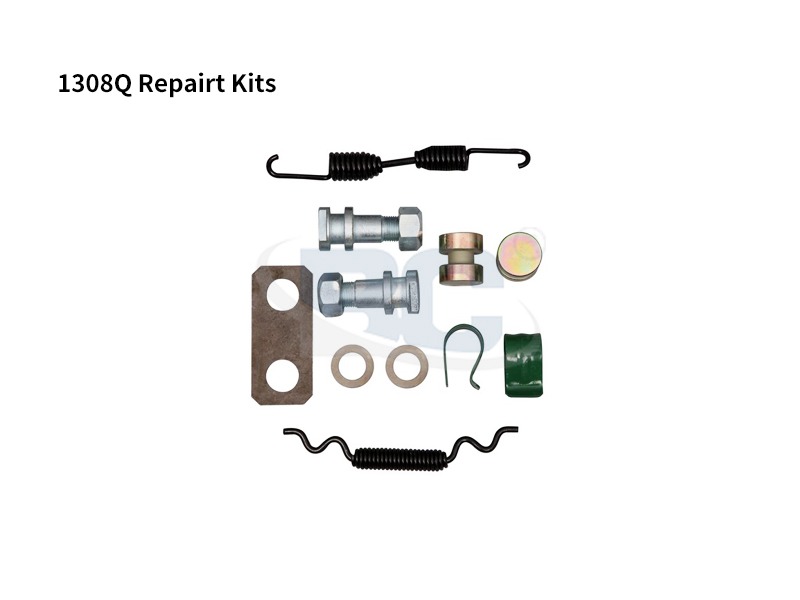
Brake lining replacement can also be integrated into brake shoe repair kits and lined brake shoe kit programs. A supplier that provides individual linings as well as complete related products can help customers select the repair format that best fits their workshop capability, labor model, and inventory strategy.
Part Number Traceability
The 4311 part number gives the product a stable reference for quotations, purchase orders, warehouse records, and service documentation. Clear identification reduces confusion between similar-looking linings and allows customers to repeat an order more efficiently when the same application is serviced again.
Part number traceability is particularly useful for large fleets and distributors. It can support stock rotation, minimum inventory planning, vehicle maintenance histories, and communication between purchasing departments and repair facilities. When combined with dimensional information and rivet-hole data, the part number becomes a practical tool for technical and commercial control.
Integration with a Broader Brake Parts Portfolio
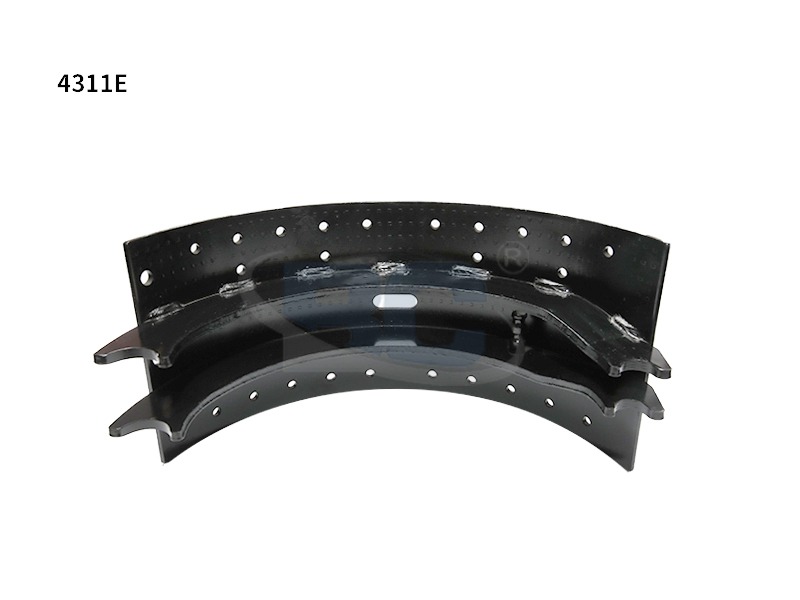
The 4311 Brake Lining is part of a product category that includes steel brake shoes, cast brake shoes, brake linings, lined brake shoes, brake shoe repair kits, and lined brake shoe kits. This range is an advantage for customers that want to consolidate sourcing. Rather than purchasing every component from a different supplier, buyers can evaluate a coordinated portfolio of brake parts for different repair and replacement requirements.
A broad product range can also help distributors build a more complete catalog. Customers may need a friction lining for a rebuild, a complete lined shoe for rapid replacement, or a repair kit for workshop service. Access to these formats from one specialist supplier simplifies product selection and supports more responsive customer service.
Manufacturing Strengths and Process Control
The performance of a brake lining depends on more than its nominal dimensions. Manufacturing must control the friction material, forming process, curing or bonding conditions, hole layout, surface quality, and final inspection. Zhejiang Bangchi Auto Parts Co., Ltd. presents itself as a manufacturer of heavy-duty brake parts and an OEM supplier working with the global FMSI numbering system. This specialization is relevant because brake components require application-specific knowledge and consistent production discipline.
Material Preparation
Brake lining material is produced from a formulated combination of friction ingredients and reinforcement materials. The exact formulation depends on the desired friction behavior, temperature performance, wear characteristics, noise control, and application requirements. A professional manufacturing process begins with controlled material preparation and consistent batching.
For a product such as the 4311 Brake Lining, stable material preparation is important because variations in composition can influence the behavior of the finished lining. Consistent weighing, mixing, and process documentation help reduce variation from batch to batch. Customers seeking OEM or replacement supply benefit from a supplier that treats formulation control as a central manufacturing responsibility.
Controlled Forming
The lining must be formed into the required dimensions and profile. The stated 16.5-inch by 7-inch size must be respected during production, while the lining must also be suitable for installation on the relevant brake shoe. Forming control helps ensure that the component can be handled, positioned, and attached correctly during assembly.
In a professional production environment, forming equipment, tooling, and process parameters should be managed according to the part reference. This reduces the chance of variation between production runs and helps maintain repeatability for repeat orders. A specialist brake parts factory is better positioned to build this process knowledge than a general industrial supplier with limited experience in friction components.
Rivet-Hole Accuracy
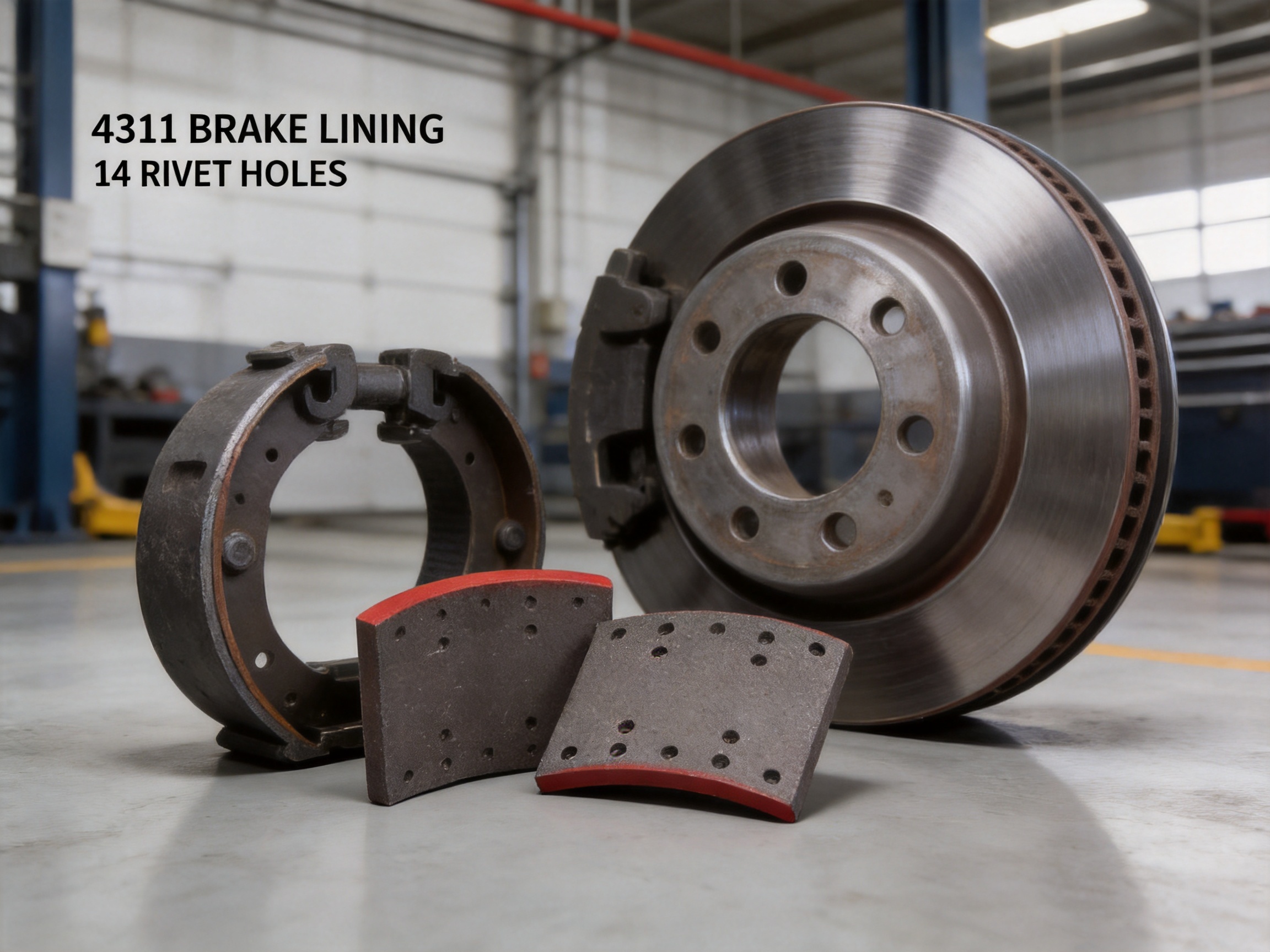
The 14 rivet holes are a defining feature of the 4311 Brake Lining. Hole count alone is not enough; the holes must also be positioned consistently in relation to the lining profile. Accurate drilling or punching supports alignment with the brake shoe and allows the rivets to seat correctly.
Proper hole preparation can reduce assembly problems such as offset holes, edge damage, uneven rivet seating, and excessive stress around the attachment points. It also helps technicians maintain the intended relationship between the lining and the shoe. For repair shops, consistent hole quality can improve productivity and reduce the need for rework.
Surface and Edge Inspection
Before shipment, brake linings should be checked for visible surface defects, dimensional concerns, damaged edges, blocked holes, and other conditions that could affect installation. A clean and consistent surface makes it easier for technicians to inspect the part and prepare it for assembly.
Edge quality is also relevant. Damaged or irregular edges may make handling more difficult and can create concerns during fitting. Inspection procedures help identify nonconforming parts before they reach customers, protecting both supplier reliability and workshop efficiency.
OEM-Oriented Production
The company’s stated focus on OEM brake parts following the global FMSI numbering system indicates an emphasis on reference-based manufacturing. FMSI-style identification is widely used in the friction industry to organize brake lining and brake shoe applications. Working within such a system supports more systematic product development, cataloging, and customer communication.
For international customers, OEM-oriented production can provide an additional level of confidence in product organization. It suggests that the supplier understands the importance of matching replacement components to established application references rather than relying only on general descriptions such as “truck brake lining” or “heavy-duty shoe material.”
Advantages Compared with Generic or Poorly Matched Alternatives
The 4311 Brake Lining should be evaluated against the practical weaknesses often associated with generic, poorly documented, or incorrectly matched alternatives. The most important advantage is not simply the part’s name; it is the combination of identifiable dimensions, rivet-hole information, product category, and specialist manufacturing support.
Better Identification than Unlabeled Friction Material
Unlabeled friction material may appear economical, but it can create uncertainty during ordering and installation. Without a stable part number, technicians may have difficulty confirming whether the replacement is the same as the previous part. The 4311 designation provides a repeatable reference for future purchases and service records.
More Controlled Installation than Improvised Drilling
A lining with a defined 14-hole layout is preferable to a blank or incorrectly drilled lining when the corresponding shoe requires a specific pattern. Improvised drilling can create alignment problems, reduce edge margins, and increase labor. A purpose-prepared product helps the workshop follow a more consistent repair process.
More Suitable for Professional Inventory Management
Commercial vehicle parts distributors need accurate product records. A clearly specified product is easier to classify, quote, store, and reorder than an item with incomplete technical information. The 4311 Brake Lining has a part number, category, size, and rivet-hole count, providing a useful foundation for inventory management.
Access to Related Brake Components
Customers that purchase from a supplier with a broader brake parts portfolio may reduce sourcing complexity. The availability of steel brake shoes, cast brake shoes, lined brake shoes, repair kits, and lined shoe kits creates opportunities for package purchasing and coordinated supply. This can be more efficient than managing several unrelated suppliers for individual brake system components.
Specialist Manufacturing Focus
A company dedicated to heavy-duty brake parts can concentrate its technical resources on friction products, brake shoe assemblies, application references, and production control. This specialist focus may offer practical advantages over manufacturers that produce unrelated components without a dedicated brake parts program.
Customers should still evaluate all technical requirements, test documentation, and application information for their specific use. The correct product choice depends on the vehicle, brake system, operating environment, and applicable service standards. The advantage of the 4311 Brake Lining is that it provides a clear, professionally organized starting point for that evaluation.
Application and Installation Considerations
The 4311 Brake Lining should be installed only by qualified personnel using appropriate brake service procedures. Before installation, the technician should confirm the part number, measure or inspect the brake shoe, and verify that the shoe is suitable for reuse. A worn, cracked, bent, corroded, or otherwise damaged shoe should not be rebuilt simply because a replacement lining is available.
Confirming Compatibility
Compatibility checks should include the lining size, rivet-hole count, hole position, shoe profile, drum dimensions, and vehicle application. The available product information identifies the size as 16.5 inches by 7 inches and the hole count as 14. It does not provide a complete vehicle list or WVANUMBER, so customers should confirm the remaining application details through service records, technical catalogs, or direct supplier communication.
Where possible, the old lining should be compared with the replacement before the old part is removed. This comparison can reveal differences in length, width, curvature, hole layout, and edge configuration. Measuring the brake shoe and inspecting the drum can provide additional information.
Preparing the Brake Shoe
If the existing brake shoe is being relined, all old friction material and rivets should be removed carefully. The shoe should be cleaned and inspected for distortion, corrosion, cracks, excessive wear, and damage around the rivet holes. The contact surface should be free of loose material and contaminants before the new lining is positioned.
The shoe must provide a stable base for the new lining. If the shoe is not structurally sound, relining may not provide a reliable repair. Brake repair decisions should always follow the vehicle manufacturer’s service instructions and applicable professional standards.
Rivet Selection and Installation
Rivets must be suitable for the brake shoe and lining assembly. The 14-hole configuration should be matched with the appropriate rivet quantity and size. Rivets should be installed using suitable equipment so that the lining is held firmly without cracking, crushing, or creating uneven seating.
Uneven rivet installation can produce movement between the lining and shoe. Excessive force may damage the friction material, while insufficient force may leave the assembly loose. A controlled riveting process is therefore essential to the reliability of the rebuilt brake shoe.
Drum and Contact Inspection
The brake drum should be inspected before the relined shoe is returned to service. Deep scoring, excessive diameter, heat damage, cracking, or irregular wear may affect the performance of a new lining. The drum and shoe should be evaluated as a matched braking interface, not as completely independent components.
After installation, the brake assembly should be adjusted and tested according to approved service procedures. Bedding-in or burnishing requirements should follow the relevant vehicle or brake system instructions. The purpose is to establish suitable contact between the lining and drum while avoiding unnecessary overheating during the initial service period.
Quality, Reliability, and Maintenance Value
Reliability in a heavy-duty brake component is closely connected to repeatability. A fleet cannot plan maintenance effectively if replacement parts vary significantly in dimensions or are difficult to identify. The 4311 Brake Lining supports a more structured approach by combining a defined part number with clear size and rivet-hole information.
Routine inspection should consider lining thickness, rivet condition, contact pattern, cracking, contamination, uneven wear, and signs of overheating. The surrounding brake system should also be inspected, including the drum, shoe, adjuster, springs, and other relevant hardware. A lining cannot compensate for an incorrectly adjusted or mechanically damaged brake assembly.
Correct storage is another part of product reliability. Brake linings should be kept in a clean, dry environment and protected from oil, grease, water, and physical damage. Products should remain in their packaging until required for installation. Stock should be organized by part number to reduce the risk of mixing similar-looking components.
For distributors, consistent packaging and labeling are valuable because they help preserve identification from the factory to the end user. Customers can support this process by recording the part number, purchase date, vehicle application, and installation location in their maintenance system.
Value for Different Customer Groups
Fleet Operators
Fleet operators can use the 4311 Brake Lining as part of a planned brake maintenance program when the product matches the fleet’s brake applications. The part number supports inventory forecasting, repeat purchasing, and maintenance recordkeeping. The availability of related brake shoes and repair kits may also help fleets standardize selected components across workshops.
Brake Repair Shops
Repair shops can benefit from a lining designed for a defined size and rivet configuration. Clear specifications help technicians evaluate incoming parts before beginning a rebuild. A specialist supplier can also support shops that handle different repair formats, from individual linings to complete lined brake shoe assemblies.
Distributors and Wholesalers
Distributors need products that are easy to catalog and explain to customers. The 4311 Brake Lining offers several straightforward catalog details: part number 4311, size 16.5 inches by 7 inches, and 14 rivet holes. These details help sales teams answer basic technical questions and guide customers toward application confirmation.
OEM and Export Customers
OEM-oriented customers often require consistent reference management and stable production communication. A manufacturer that works with the global FMSI numbering system can provide a more organized foundation for these requirements. Export customers may also value a supplier capable of supporting a wider range of heavy-duty brake parts from a manufacturing base in China.
Manufacturing and Supply Capabilities
Zhejiang Bangchi Auto Parts Co., Ltd. is located in Haining, Zhejiang, China, at No. 9 Building, No. 11 Qiyi Road, Chang’an Town. The company provides heavy-duty brake parts and identifies its production capability with OEM brake parts following the global FMSI numbering system. Its product categories cover multiple stages of brake repair and replacement, including friction linings and assembled brake shoes.
A supplier with this range can help customers develop a more efficient purchasing structure. Instead of sourcing a lining from one manufacturer, a steel shoe from another, and a repair kit from a third, customers can investigate whether a coordinated order is possible. Consolidated sourcing may simplify communication, reduce administrative work, and support more consistent product documentation.
Manufacturing location and product specialization also matter when customers need ongoing supply. Heavy-duty brake parts are often repeat-purchase items, and a dependable supplier relationship can be useful for distributors and fleets that must maintain stable inventory. Before placing a large order, customers should discuss production capacity, packaging, quality documentation, lead time, sample approval, and application confirmation.
The company’s contact information provides direct channels for product consultation and commercial communication. Customers can request additional technical details, including application references, drawings, material information, test documentation, packaging specifications, and confirmation of the correct WVANUMBER if applicable to their purchasing system.
Recommended Purchasing Checklist
When evaluating the 4311 Brake Lining, buyers should begin with the basic product identity. Confirm that the required part number is 4311 and that the product is a brake lining rather than a complete lined brake shoe or repair kit. This distinction is important because the installation method, labor requirement, and total purchase quantity may differ.
Next, confirm the dimensional information. The listed product size is 16.5 inches by 7 inches. Buyers should compare this with the original lining, brake shoe, or technical reference. They should also verify the 14-hole rivet pattern and determine whether the hole spacing and arrangement correspond to the intended shoe.
Application confirmation should follow. Because the provided information does not include a complete vehicle application chart or WVANUMBER, customers should contact the manufacturer or authorized sales representative with the vehicle, axle, brake system, and existing part details. This step helps reduce the possibility of ordering a visually similar but technically unsuitable lining.
Finally, buyers should review commercial requirements such as order quantity, packaging, marking, delivery schedule, quality documents, and after-sales support. These details are particularly important for international distributors and fleet customers purchasing on a recurring basis.
| Purchasing Check | Purpose |
|---|---|
| Confirm part number 4311 | Ensures the correct product reference is being quoted and ordered |
| Verify 16.5-inch by 7-inch size | Supports dimensional compatibility with the brake shoe |
| Confirm 14 rivet holes | Helps match the lining to the required attachment pattern |
| Check shoe and drum application | Reduces the risk of installing an unsuitable friction component |
| Request missing application data | Provides additional confirmation where vehicle information is required |
| Review packaging and labeling | Supports storage, traceability, and repeat ordering |
| Discuss quality documentation | Helps align supplier information with customer requirements |
Frequently Asked Questions
What is the 4311 Brake Lining?
The 4311 Brake Lining is a heavy-duty friction lining identified by part number 4311. It is intended for use with a compatible brake shoe assembly and is supplied in a 16.5-inch by 7-inch size with 14 rivet holes.
What is the size of the product?
The listed product size is 16.5 inches by 7 inches. Customers should still compare this specification with the original component and confirm the application before ordering.
How many rivet holes does it have?
The 4311 Brake Lining has 14 rivet holes. The hole count should be checked together with hole position, spacing, and brake shoe geometry to ensure complete compatibility.
Is it supplied as a complete brake shoe?
The product information identifies it as a brake lining. It should not be assumed to include a steel or cast brake shoe unless the order is specifically placed for a complete lined brake shoe or a lined brake shoe kit.
Can it be used for brake shoe repair?
It can be considered for brake shoe relining when the existing shoe is structurally suitable and the lining matches the shoe and drum application. Installation should be performed by qualified personnel following appropriate service procedures.
What is the advantage of buying a separately supplied lining?
A separate lining can provide flexibility for workshops and fleets that have reusable brake shoes. It may support a repair strategy based on relining instead of replacing the complete shoe, although the total cost and suitability should be evaluated for each application.
Does the product have a WVANUMBER?
The provided product information contains a blank WVANUMBER field. Customers that require this reference should request confirmation from the manufacturer before placing an order.
What should be checked before installation?
Technicians should confirm the part number, size, rivet-hole pattern, shoe condition, drum condition, rivet suitability, and application. They should also inspect for cracks, distortion, corrosion, contamination, and abnormal wear.
Is the product suitable for every heavy-duty vehicle?
No. Heavy-duty brake systems have different dimensions and applications. The 4311 Brake Lining must be matched to the correct brake shoe and vehicle system. The listed size and hole count are important references, but they do not replace complete application verification.
Who manufactures the product?
The product is manufactured by Zhejiang Bangchi Auto Parts Co., Ltd., a China-based supplier of heavy-duty brake parts and OEM brake components following the global FMSI numbering system.
What other products are available from the supplier?
The stated product categories include steel brake shoes, cast brake shoes, brake linings, lined brake shoes, brake shoe repair kits, and lined brake shoe kits. Availability of a specific reference should be confirmed directly with the supplier.
How should the lining be stored?
The lining should be stored in a clean, dry location and protected from oil, grease, moisture, impact, and contamination. It should remain clearly identified by part number until installation.
How can customers request more information?
Customers can contact the supplier by telephone, fax, or email to request application confirmation, product documentation, quotation details, packaging information, and additional technical data.
Conclusion
The 4311 Brake Lining is a clearly identified heavy-duty friction component with a 16.5-inch by 7-inch size and a 14-hole rivet configuration. These specifications provide practical information for brake repair shops, fleet maintenance departments, distributors, and OEM customers evaluating replacement lining options.
Its main advantages include defined dimensions, a stated rivet-hole pattern, part number traceability, compatibility with brake shoe repair programs, and integration into a wider range of heavy-duty brake products. Compared with generic or poorly documented alternatives, the product offers a more organized basis for application confirmation, inventory management, and workshop installation.
The manufacturing support behind the product is also significant. Zhejiang Bangchi Auto Parts Co., Ltd. focuses on heavy-duty brake parts and OEM brake components associated with the global FMSI numbering system. Its broader product portfolio includes brake shoes, brake linings, and repair kits, giving customers the opportunity to develop a more coordinated sourcing relationship.
As with every friction component, correct selection and professional installation remain essential. Buyers should confirm the brake shoe, drum, vehicle application, rivet arrangement, and any required reference numbers before ordering. When properly matched and installed, the 4311 Brake Lining can serve as a practical component in a controlled heavy-duty brake maintenance program.
References
1. Product specification supplied for the 4311 Brake Lining, including part number, size, and rivet-hole count.
2. Global FMSI friction product numbering and application reference principles.
3. General heavy-duty vehicle brake inspection and brake shoe relining practices.
4. General friction material handling, storage, installation, and maintenance guidance.
5. Manufacturer product categories for steel brake shoes, cast brake shoes, brake linings, lined brake shoes, brake shoe repair kits, and lined brake shoe kits.